


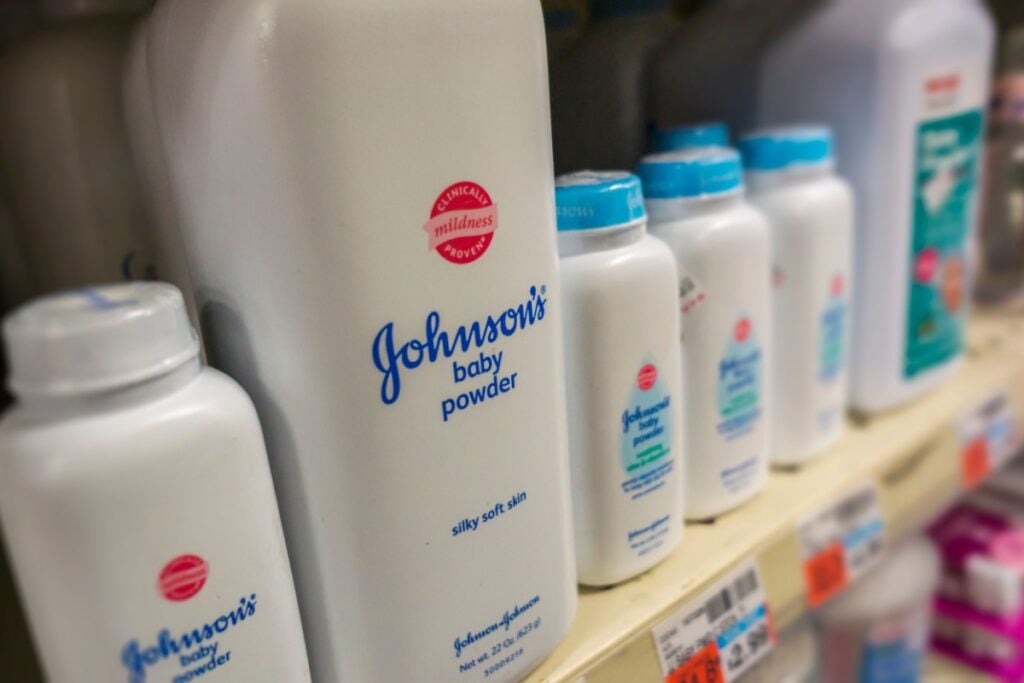
A Los Angeles jury has awarded $40 million to two women who said their long-term use of talc-based powders sold by Johnson & Johnson contributed to their ovarian cancer, extending a legal fight that has persisted for years across U.S. courts. The verdict, returned on Friday, December 12, 2025, reflects the jury’s acceptance of the plaintiffs’ argument that the company failed to provide adequate warnings about risks they associate with talc products. The award reported by AP consisted of compensatory damages, intended to cover losses such as medical expenses and other harms.
The jury awarded $18 million to Monica Kent and $22 million to Deborah Schultz and her husband, according to the Associated Press. The plaintiffs told jurors they used products including Johnson’s Baby Powder and Shower to Shower for decades, and they attributed their diagnoses to that extended exposure. Their attorney, Daniel Robinson of Robinson Calcagnie, said the women were long-time customers who relied on the company’s brand reputation.
Johnson & Johnson said it will appeal the liability finding and the compensatory damages award.
Company Denies Cancer Link, Points To Prior Trial Record
In a statement after the verdict, Erik Haas, the company’s worldwide vice president of litigation, said Johnson & Johnson had won 16 of the 17 ovarian-cancer cases it had previously tried and said it expects to prevail again on appeal. Haas said the jury’s findings conflicted with decades of independent scientific evaluations that, in the company’s view, support talc’s safety and show its products do not contain asbestos.
Across the broader litigation, plaintiffs have advanced two core allegations: that some talc products were contaminated with asbestos, and that genital-area use of talc powders can raise the risk of ovarian cancer. Plaintiffs’ lawyers have argued that company testing, internal records, and marketing practices should have led to clearer consumer warnings. The company disputes those claims and says it stands by the safety of its historic talc products.
The evidence and expert testimony have differed case by case, producing mixed verdicts in courtrooms around the United States.
Wider Talc Docket And Failed Bankruptcy Settlement Bid
The Los Angeles award arrives as Johnson & Johnson continues to face a large volume of talc-related claims. Reuters reported that more than 67,000 plaintiffs have sued the company over alleged harms tied to talc products, including ovarian cancer and mesothelioma, a cancer often linked to asbestos exposure.
California juries have recently delivered major awards in mesothelioma cases as well. In October 2025, another jury ordered Johnson & Johnson to pay $966 million to the family of a woman who died of mesothelioma, finding that the baby powder she used was contaminated with asbestos, the Associated Press reported.
The company has also pursued a strategy to resolve claims in bulk through bankruptcy proceedings. In April 2025, a U.S. bankruptcy judge denied Johnson & Johnson’s proposed plan to settle talc-related gynecological cancer claims through a $9 billion deal, according to the Associated Press. The decision blocked the latest attempt to use bankruptcy court to consolidate and resolve lawsuits, leaving the company to keep litigating in state and federal courts.
Product Changes And What Happens Next In Court
While denying liability, Johnson & Johnson has changed the composition and availability of its powders. The company replaced talc with cornstarch in baby powder sold across most of North America in 2020, after sales declined, and it ended sales of talc-based powder globally in 2023, the Associated Press reported.
Next, the Los Angeles case will move into post-trial motions and appellate briefing. Appeals in product-liability disputes typically focus on whether the evidence supported the jury’s findings, whether expert testimony met admissibility standards, and whether any trial errors require a new proceeding. The company has said it expects the verdict to be overturned, while plaintiffs’ lawyers say the result underscores continuing juror concern about historical warnings.
