


Workers Halt Operations at World’s Most Visited Museum
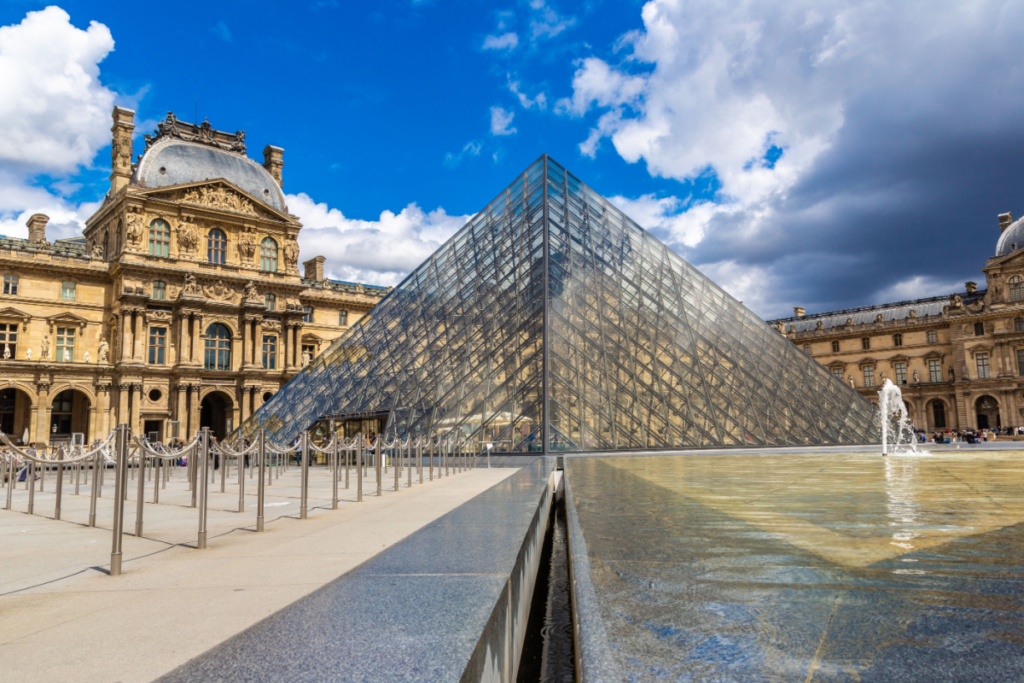
The Louvre Museum was forced to close its doors after employees voted to strike over working conditions, staffing shortages, and long-standing security concerns. The work stoppage prevented the museum from opening to the public, with visitors turned away from the glass pyramid entrance and ticket holders informed they would be reimbursed. Union representatives said the strike reflected mounting frustration among staff who believe the institution is struggling to cope with growing visitor numbers while resources and personnel continue to decline.
For many tourists, the closure was a bitter disappointment. The Louvre is widely regarded as a cultural landmark and a once-in-a-lifetime experience, home to some of the world’s most renowned artworks. While some visitors expressed sympathy for employees, the sudden shutdown highlighted the tension between the museum’s global popularity and the realities faced by those who keep it running.
Unions Cite Staffing Shortages and Deteriorating Conditions
Labor unions representing Louvre employees said the strike followed unsuccessful talks with government officials and museum leadership. According to union leaders, these discussions failed to resolve concerns about insufficient staffing levels, stagnant wages, and deteriorating working conditions. Employees argue that visitor numbers and ticket prices have increased steadily, while staff numbers and resources have not kept pace.
Union officials described daily operations as increasingly difficult, with crowd management and visitor services stretched thin. They warned that the imbalance between demand and staffing has made the museum harder to manage safely and efficiently. Workers are calling for more security personnel, additional front-of-house staff, and long-term budget stability to support the museum’s operations.
The strike vote, union leaders said, was unanimous among those present at the meeting, signaling broad agreement across departments. While the immediate action lasted a single day, unions indicated that further meetings could determine whether additional work stoppages would follow.
Security Fears Intensified After High-Profile Heist
Underlying the labor dispute are serious concerns about security, which were amplified after a high-profile jewelry theft at the museum. The incident, in which thieves stole valuables worth tens of millions of dollars in a rapid, coordinated operation, exposed weaknesses in surveillance systems, staffing levels, and emergency coordination. A subsequent inquiry pointed to broken cameras, outdated equipment, understaffed control rooms, and initial confusion that delayed police response.
For museum employees, the heist served as a stark illustration of risks they say have been building for years. Union representatives argue that overcrowding and reduced staffing not only strain workers but also leave the museum vulnerable to security breaches. They maintain that without significant investment, similar incidents could occur again, putting staff, visitors, and priceless collections at risk.
Museum management has acknowledged the seriousness of the incident, describing it as a major failure and emphasizing the need for structural improvements. However, employees say concrete changes have yet to materialize, deepening mistrust between staff and leadership.
Government Response and Uncertain Path Forward
In response to the unrest and the findings of an administrative inquiry, the culture ministry has appointed an external figure to propose a comprehensive reorganization of the Louvre. The mission includes reviewing security protocols, staffing models, and management structures, with recommendations expected in the coming months. Officials say the goal is to ensure the museum can meet modern demands while safeguarding both employees and collections.
Despite these assurances, union leaders remain skeptical, stressing that immediate action is needed rather than long-term studies. They are demanding clear commitments on hiring, funding, and working conditions, along with leadership that engages more directly with staff concerns.
As the Louvre grapples with these challenges, its closure underscores a broader issue facing major cultural institutions worldwide: balancing mass tourism with sustainable working environments. Whether the current dispute leads to lasting reforms or further disruptions remains uncertain, but it has already drawn renewed attention to the pressures behind the scenes at one of the world’s most iconic museums.
