


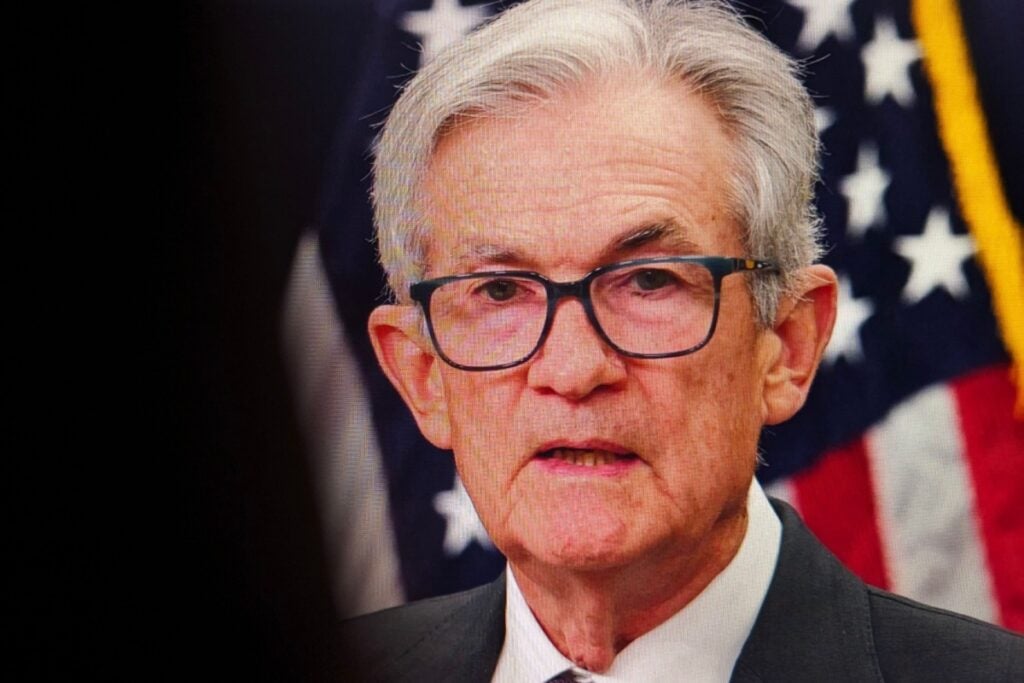
President Donald Trump has intensified his clash with the Federal Reserve by allowing a Justice Department investigation to target the central bank and by having it served with subpoenas that raise the prospect of a criminal case, according to the dispute described by the Fed and the administration.
The stated trigger is Federal Reserve Chair Jerome Powell’s June testimony to Congress about the cost and scope of a major overhaul of Fed facilities in Washington. In a public statement released Sunday, Powell said the administration’s threats of criminal charges were “pretexts,” framing the legal pressure as part of an effort to weaken the Fed’s independence and influence interest-rate decisions. Trump has repeatedly criticized the Fed for not cutting rates faster, while economists warn that a central bank seen as politically pressured could lose credibility and potentially drive investors to demand higher yields on U.S. government debt.
How the Project’s Price Tag Grew
At the center of the controversy is a renovation now estimated at $2.5 billion for two Fed buildings, including the Fed’s headquarters, the Marriner S. Eccles Building, originally built in the 1930s. The project dates back to Trump’s first term but drew limited attention until the administration began highlighting cost overruns while simultaneously urging aggressive rate cuts.
The Fed says taxpayers are not directly funding the construction because the central bank is self-financed, largely through income it earns on its holdings of U.S. Treasury securities. Officials have argued that the work is driven by aging systems—electrical, plumbing, and HVAC—that are near the end of their useful life, alongside requirements to remove hazardous materials such as asbestos and lead. The Fed has also stated that the plan includes the modernization of communications and electrical infrastructure, as well as the preservation of historic elements, such as façades, stonework, and some original features inside the buildings.
Congressional Claims, Trump’s Shifting Tone, and Legal Limits
The renovation’s budget has risen from about $1.9 billion to $2.5 billion, an increase of roughly $600 million, the Fed says. It has attributed the jump to higher labor and materials costs during the 2021–2022 inflation surge, more extensive asbestos remediation than expected, and local Washington restrictions on building height that required additional underground construction. With costs rising, the Fed’s board canceled planned work on a third building in 2024, and officials have said that consolidation could reduce expenses over time by accommodating about 3,000 Washington-based employees in fewer buildings and lowering rent costs.
At a June Senate Banking Committee hearing, Sen. Tim Scott described features he said were being included—such as rooftop terraces, custom elevators opening into VIP dining rooms, white marble finishes, and a private art collection—claims Powell disputed, telling lawmakers there was “no new marble” and “no special elevators.” Trump later toured the site with Powell in July and publicly overstated the renovation’s cost, then downplayed criticism the same day. But by Dec. 29, Trump said his administration would “probably” sue Powell for “gross incompetence,” calling it the highest construction cost per square foot in the world.
The fight is unfolding as legal and political debates continue over the extent of a president’s control over the Fed. The Supreme Court, the AP report noted, has indicated that Trump cannot remove Powell simply over policy disagreements, though removal “for cause” could be argued in cases of alleged misconduct or dereliction of duty. Separately, Trump moved in August to remove Fed Governor Lisa Cook over allegations of mortgage fraud, which she has denied. She sued, and the courts have allowed her to remain in office as the case proceeds. The Supreme Court is scheduled to hear arguments on Jan. 21.
In broader reaction, the investigation has drawn warnings from critics who view it as an attack on central-bank independence, with additional scrutiny from lawmakers and outside institutions as the dispute escalates.
A Parallel Focus on White House Construction
Trump has also faced criticism over his own high-profile construction plans. The AP report describes his decision to remove the East Wing façade of the White House as part of building a $250 million ballroom that would be 90,000 square feet, compared with the main Executive Mansion’s roughly 55,000 square feet. The ballroom is intended to hold 999 people, far more than the East Room’s approximate capacity of 200, and Trump has argued that prior reliance on tents for major events on the South Lawn is inadequate.
Like the Fed renovation, Trump has stated that the ballroom would not be funded by taxpayers, describing it as privately financed by supporters, companies, and himself. The juxtaposition has added another political dimension to an already unusual moment: the subpoenas and investigation arrived as Trump has been publicly signaling he may name a nominee soon to succeed Powell, whose term as chair ends in May 2026, even though Powell would retain a separate term as a Fed governor until January 2028.
