


Protests After Deadly Ice Shooting Escalate Tensions
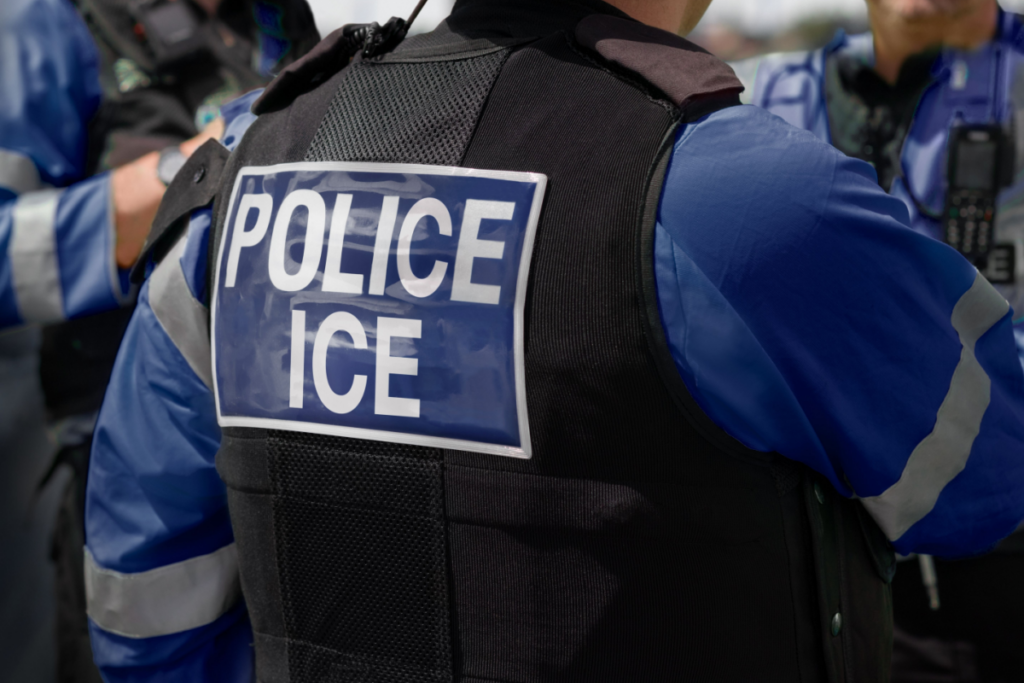
Protests in Minnesota have intensified following the fatal shooting of a woman by an ICE agent, an incident that triggered nationwide demonstrations against immigration enforcement. Anger grew further after another confrontation in Minneapolis, where ICE agents shot a Venezuelan immigrant in the leg during an attempted arrest. These events fueled widespread outrage, drawing protesters into the streets and placing Minnesota at the center of a broader national debate over immigration policy, federal authority, and the use of force.
Demonstrations have targeted ICE’s continued operations in the state, with protesters accusing federal authorities of excessive violence and lack of accountability. The unrest has spread beyond Minnesota, reflecting deeper frustrations over immigration enforcement practices and racial justice. Amid this volatile climate, the federal government has framed the protests as disorderly and dangerous, setting the stage for a sharp escalation in rhetoric and potential action.
Trump’s Warning and the Insurrection Act
President Trump responded forcefully to the unrest, threatening to invoke the Insurrection Act if Minnesota officials failed to restore order. In public remarks, he accused state leaders of allowing what he described as professional agitators and insurrectionists to attack federal agents. He warned that if local authorities did not intervene decisively, the federal government would step in using extraordinary powers.
The Insurrection Act is a federal law that allows the president to deploy active-duty military forces within the United States to suppress unrest and enforce federal law. Unlike National Guard deployments, which typically operate under restrictions that limit their role in civilian law enforcement, the Insurrection Act permits armed forces to make arrests, conduct searches, and directly police civilian populations.
Trump has repeatedly suggested that this law provides him broad authority to act quickly and decisively, portraying it as a necessary tool to restore order when states fail to do so. His threat marked one of the strongest signals yet that he is willing to consider using the military not just to protect federal property, but potentially to support immigration enforcement and control domestic protests.
How the Law Works and How It Differs From Past Deployments
The Insurrection Act can be invoked in several ways. A state may request federal assistance if it faces an insurrection it cannot control. Alternatively, the president can act without state consent if unrest makes it impracticable to enforce federal law, or if resistance obstructs the execution of federal authority. In each case, the president must first order those involved to disperse before deploying troops.
This authority differs sharply from other legal frameworks used in recent years. National Guard deployments under federal or state control remain subject to the Posse Comitatus Act, which generally bars military forces from acting as domestic police. The Insurrection Act is one of the few exceptions to that principle, allowing soldiers to take on law enforcement roles.
The law has been used sparingly in modern history, most notably during large-scale civil unrest when local authorities requested federal help. Past deployments have shown the risks of using military forces in civilian settings, including confusion over rules of engagement and misunderstandings between soldiers and police. Critics argue these risks increase when troops are asked to perform policing duties for which they are not trained.
Legal Concerns and Broader Implications
Legal scholars and civil rights experts have expressed deep concern about the potential misuse of the Insurrection Act. The law’s language is broad and loosely defined, giving the president significant discretion to decide what constitutes an insurrection or when federal law enforcement is impracticable. It also lacks clear limits on the duration of deployments and does not require congressional approval.
Experts warn that using the Insurrection Act to suppress protests or expand immigration enforcement would represent a major departure from historical precedent. Such a move could face immediate legal challenges and raise serious questions about civil liberties, federalism, and the balance of power between the federal government and the states.
The threat alone has already heightened tensions, with critics arguing it could inflame unrest rather than calm it. Supporters, however, view the president’s stance as a necessary show of strength in the face of violence against federal agents. As protests continue and political divisions deepen, the situation in Minnesota has become a critical test of how far presidential power can reach during domestic unrest.
