


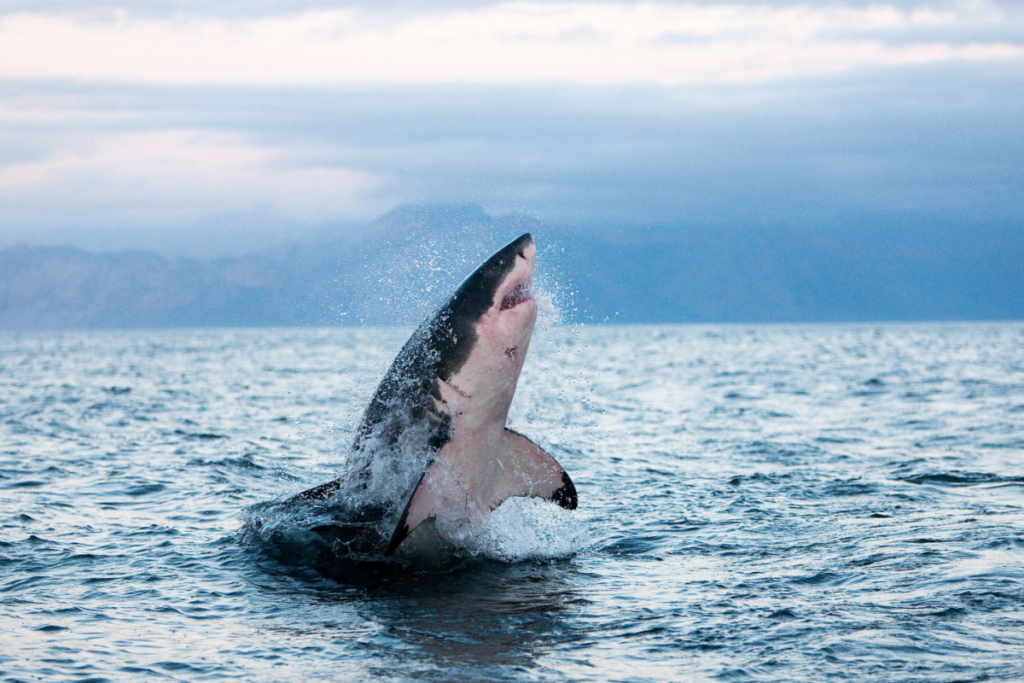
A Rare Cluster of Attacks in a Short Time Span
Australia’s New South Wales coastline has been shaken by an unusual series of shark attacks, with four incidents reported in less than two days. The most recent occurred along the Mid North Coast, where a 39-year-old surfer was bitten after a shark struck his board, leaving him with a chest wound. He was treated in hospital and later released, narrowly avoiding more serious injuries.
This latest incident followed three attacks near Sydney within the previous two days. The concentration of attacks in such a short time has prompted authorities to close several beaches in Sydney’s northern area indefinitely, as officials work to assess the risks and prevent further harm. While Australia is known globally for shark encounters, experts stress that this cluster is highly unusual rather than the norm.
Authorities believe most of the recent incidents involved bull sharks, a species known for its adaptability and proximity to shorelines. The attacks have heightened concern among surfers, swimmers, and coastal communities, especially as the summer season draws more people into the water.
Weather Conditions Create Heightened Risk
Marine experts and emergency officials point to recent heavy rainfall as a key factor behind the sudden spike in shark activity. Torrential rain can wash nutrients and organic matter from rivers into coastal waters, attracting fish that sharks prey on. As a result, sharks may move closer to shore in search of food.
Reduced water clarity following storms also plays a role. Murky conditions make it harder for sharks to distinguish between prey and humans, increasing the likelihood of encounters. Officials have described the recent weather as creating a “perfect storm environment” for shark interactions, particularly near river mouths and harbors.
Bull sharks are especially well adapted to these conditions. They are capable of surviving in both saltwater and freshwater and are commonly found near estuaries, rivers, and coastal inlets. During periods of heavy rain, these areas become feeding grounds, which can overlap with popular swimming and surfing spots.
Bull Sharks and Seasonal Patterns
Bull sharks are considered one of the more dangerous shark species due to their aggressive tendencies and their habit of swimming in shallow waters frequented by people. They rank among the most deadly shark species worldwide, though fatal encounters remain rare.
In New South Wales, bull sharks are typically more active during the warmer months, when ocean temperatures suit their preferences. Summer conditions, combined with storm-driven changes in the marine environment, can increase the chances of encounters along the coast.
Marine scientists emphasize that while shark attacks draw significant attention, the statistical risk to individuals remains extremely low. Millions of people swim and surf in Australian waters each year without incident. However, the rapid succession of attacks along the New South Wales coast stands out as an anomaly that warrants caution and temporary restrictions.
Safety Measures and Public Response
In response to the attacks, police and surf life-saving authorities have urged the public to stay out of the water until conditions improve. Beach closures remain in place in several areas, and warnings have been issued advising against swimming near river mouths or in waters with low visibility.
Surf Life Saving officials highlighted that the injured surfer on the Mid North Coast was fortunate to escape with non-life-threatening wounds. They reiterated long-standing advice to avoid entering the ocean after heavy rainfall, particularly in areas where sharks are known to congregate.
Recent incidents have included a young surfer who narrowly avoided injury, another individual who sustained life-altering wounds, and a child who was critically injured in a harbor area. These events have intensified public concern and sparked renewed discussion about shark management strategies and personal safety.
Authorities continue to monitor shark activity and environmental conditions closely. While experts caution against panic, they stress the importance of respecting closures and advisories. As weather patterns stabilize and water clarity improves, officials expect the immediate risk to decline. Until then, the focus remains on public safety, awareness, and minimizing further encounters along one of Australia’s most popular coastlines.
