


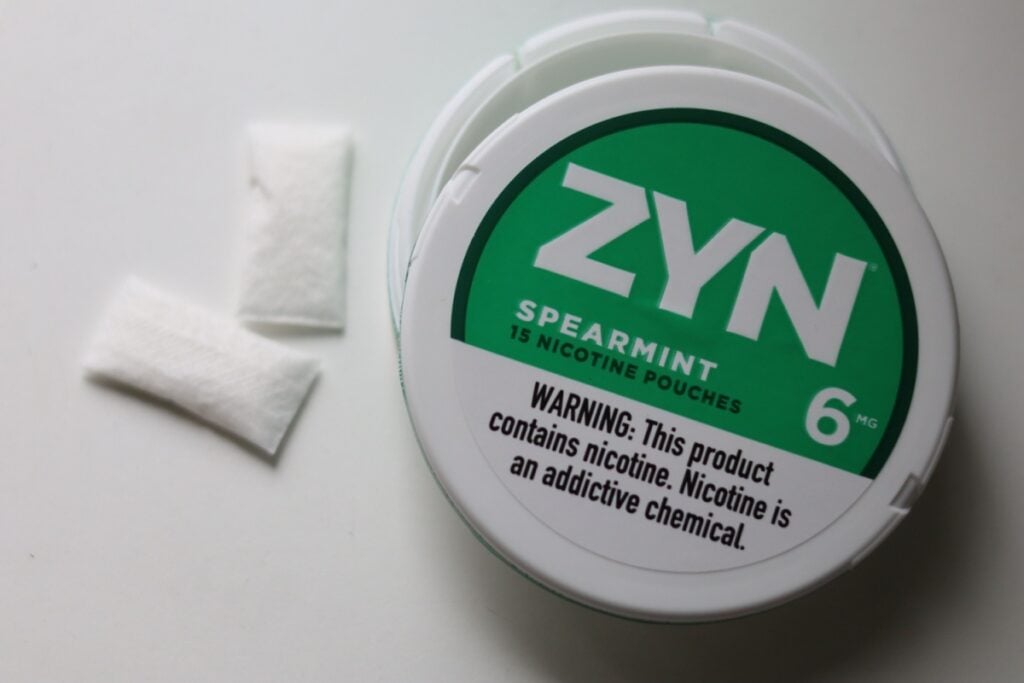
U.S. regulators are considering whether Zyn, a fast-growing nicotine pouch brand owned by Philip Morris International, can be promoted with messaging that presents it as less harmful than cigarettes for adults who already smoke. The Food and Drug Administration (FDA) scheduled a public, all-day meeting for Thursday, January 22, 2026, during which an independent panel of public health experts is expected to review the company’s proposal and question both agency staff and industry representatives. Government briefing materials released ahead of the meeting indicate FDA scientists are leaning toward allowing the updated advertising language, though the advisory group’s discussion is designed to test the evidence and probe potential public health trade-offs.
How Big Zyn Has Become in a Shrinking Tobacco Market
Nicotine pouches remain a niche product among U.S. adults, but they are one of the few expanding segments in a broader market where cigarette consumption has declined for years. Within the pouch category, Zyn has emerged as the dominant player. In 2025, the brand recorded more than $3.24 billion in U.S. sales and accounted for over two-thirds of the nicotine pouch market, according to Nielsen data cited in an analysis referenced by Goldman Sachs. Federal regulators have also begun authorizing competing products: in December (the most recent authorization cited in the AP report), the FDA cleared the No. 2 pouch brand, on! Plus, from Altria, to remain on the market. Company investor materials cited in the AP report say many Zyn customers are in their 30s and 40s and tend to have higher incomes than typical cigarette or e-cigarette users.
The Health Claim and the Evidence Regulators Are Weighing
At the center of the review is a request to add “reduced risk” language to marketing messaging that would compare Zyn to cigarettes in terms of serious disease outcomes. In its proposal, Philip Morris International seeks to state that using Zyn instead of cigarettes lowers risks tied to smoking, including mouth cancer, heart disease, lung cancer, and stroke, among other illnesses. FDA scientists, in a preliminary assessment summarized in the meeting materials, described the core statement as “scientifically accurate” after reviewing the full body of evidence submitted.
The FDA’s review also notes important limits in the data. The company did not submit long-term health studies that directly track outcomes among Zyn users over many years. Instead, regulators looked at a mix of toxicology comparisons and broader research on similar products. The AP report highlights studies of snus, a tobacco pouch product popular in Sweden and parts of Scandinavia, where research has found lower rates of certain smoking-linked diseases among snus users compared with cigarette smokers. Philip Morris International argues Zyn may present even lower risks than snus because Zyn contains nicotine but no tobacco leaf. Company research cited in the AP report found unquantifiable levels of 36 out of 42 carcinogens and other harmful chemicals commonly associated with tobacco products; for the remaining six substances, FDA reviewers said the levels were below amounts “expected to pose a health risk.”
Separately, the FDA has emphasized that authorization to sell is not the same as “approval” or a finding that a product is safe. When the agency authorized 20 ZYN nicotine pouch products on January 16, 2025, it said the products contained substantially lower levels of harmful constituents than cigarettes and many smokeless tobacco products, but stressed: “There is no safe tobacco product.”
Youth Exposure, Viral Promotion, and What Happens Next
A central question for regulators is whether any potential benefit for adult smokers could be offset by harms to young people or nonusers who start using nicotine. Anti-tobacco advocates have pointed to “Zynfluencer” content and other social media trends that have accumulated tens of millions of views, arguing that viral promotion can increase product visibility beyond the adult audience the company says it targets. The AP report cites a Truth Initiative study finding that spikes in TikTok content about Zyn in 2022 and 2023 were followed by increases in sales, while also noting the authors said it was unclear whether the videos caused higher sales or simply reflected rising popularity.
Available survey data cited by the AP story put teen use at 2.4% among U.S. high school students. The FDA’s own youth tobacco survey statistics also show low overall use of nicotine pouches among students: 1.8% of middle and high school students reported current use in the 2024 National Youth Tobacco Survey, as cited by the agency in its 2025 Zyn authorization announcement.
At Thursday’s meeting, the independent expert panel is expected to debate the strength of the evidence, how consumers may interpret “lower risk” language, and the net population impact if the claim is allowed. The FDA is not required to follow the panel’s recommendation and has no deadline to announce a final decision.
