


A Landmark Under Pressure
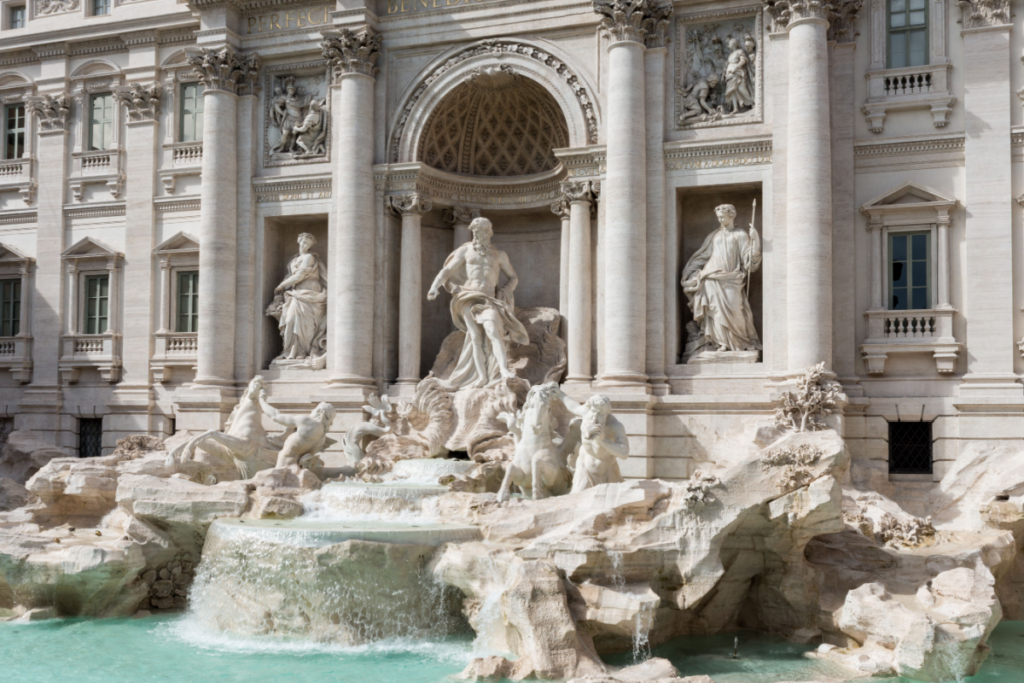
The Trevi Fountain, one of Rome’s most iconic landmarks and a global symbol of the city’s cultural heritage, has increasingly become a focal point in debates around overtourism. The Baroque masterpiece, set within a small piazza at the end of an ancient aqueduct, attracts enormous crowds each year, especially during peak travel seasons. At its busiest moments, the square fills wall to wall with visitors hoping to see the fountain up close, take photos, and toss a coin into the water.
This intense concentration of visitors has created challenges for both preservation and public safety. Congestion limits mobility, strains local infrastructure, and increases the risk of petty crime. City authorities have long searched for solutions that would allow tourists to continue enjoying the site while reducing pressure on the surrounding area and protecting the monument itself.
From Crowd Control to Ticketed Access
As part of a broader effort to manage visitor flow, Rome first experimented with physical barriers around the Trevi Fountain. The aim was to regulate access to the fountain’s edge and test whether controlled entry could ease overcrowding. The trial demonstrated that limiting direct access significantly reduced congestion, as many visitors opted to admire the fountain from a distance rather than wait in line.
Building on those results, city officials introduced a low-cost ticket system that grants access to the immediate area around the fountain. The measure is designed not as a revenue-first initiative, but as a behavioral tool to discourage mass clustering while still offering an enhanced experience for those who value close proximity to the monument.
Under the new system, access near the fountain is limited to ticket holders, with clear rules prohibiting eating, drinking, or lingering excessively in the space. Officials believe this approach not only improves crowd circulation but also reduces distractions that make tourists vulnerable to pickpocketing in tightly packed areas.
Revenue, Preservation, and Public Response
City estimates suggest that the ticket could generate several million euros annually, depending on visitor numbers. These funds are intended to support maintenance, staffing, and conservation efforts at the site. Managing one of the world’s most visited monuments requires constant upkeep, and officials argue that even a modest fee can help ensure long-term preservation without placing an excessive burden on visitors.
Reactions from tourists have been mixed but largely pragmatic. Many visitors view the fee as reasonable for access to such a renowned landmark, particularly when compared with admission costs at major attractions in other global cities. Others choose to forgo the ticket, opting instead to enjoy the fountain from outside the controlled area and maintain traditional rituals, such as tossing a coin over their shoulder from a distance.
Importantly, the longstanding charitable tradition associated with the Trevi Fountain remains unchanged. Coins collected from the water will continue to be donated to social aid programs, preserving the fountain’s role not only as a cultural symbol but also as a source of support for vulnerable communities.
Part of a Wider Tourism Strategy
The Trevi Fountain ticket is not an isolated measure. It forms part of a broader national conversation about how Italy manages its popularity as a travel destination. Other cities have introduced or tested similar policies, including entry fees for day visitors, restricted access to viral landmarks, and timed booking systems for heavily trafficked sites.
These measures reflect a growing recognition that unrestricted access can undermine the very experiences tourists seek. By spreading visitor flow, setting clear rules, and reinvesting tourism revenue into preservation, authorities hope to strike a balance between accessibility and sustainability.
For Rome, the challenge lies in protecting its cultural heritage while remaining open to the world. The Trevi Fountain initiative represents an attempt to rethink how iconic spaces are shared, signaling a shift toward more managed, experience-focused tourism rather than sheer volume. Whether this approach becomes a long-term model will depend on how visitors adapt and how effectively the city can maintain both the monument and the magic that surrounds it.
