


A Symbolic Step Amid Rising Uncertainty
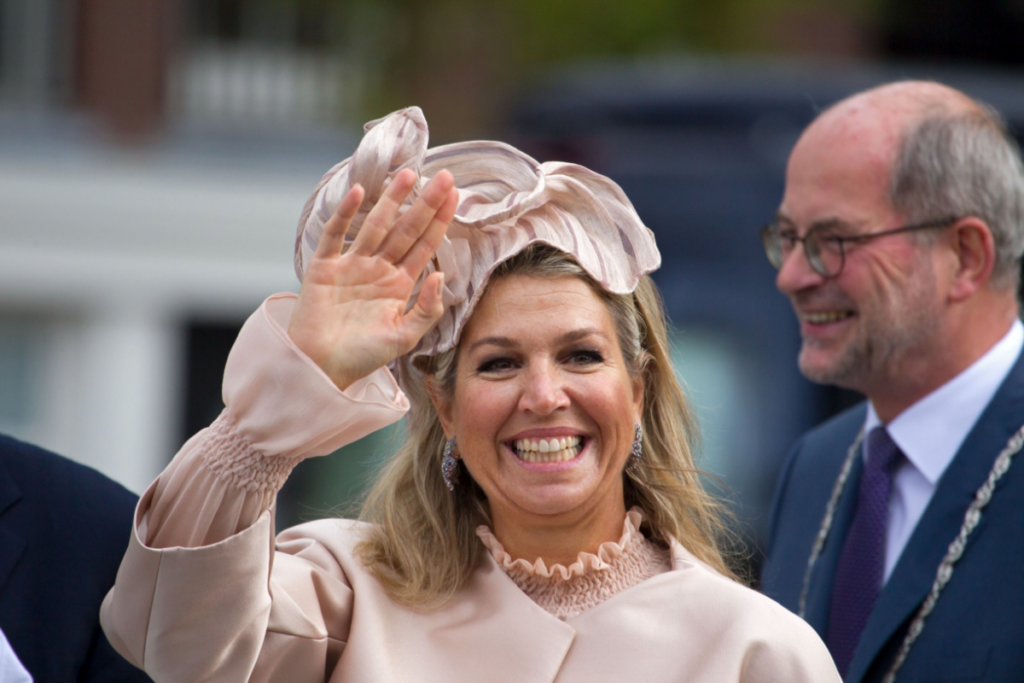
Queen Máxima of the Netherlands has joined the Dutch army as a reservist, a move that reflects growing concerns about national and European security. According to a statement released by the royal family, the queen decided to register because “safety can no longer be taken for granted,” and she wants to contribute personally to the country’s defense. After completing her training with the Royal Netherlands Army, she is expected to be promoted to the rank of lieutenant colonel and will be eligible for deployment like other reservists.
Images and video released by the Dutch Ministry of Defense show the 54-year-old queen participating in a wide range of activities at the Royal Military Academy in Breda, including mental resilience training, physical exercises, and weapons handling. Dressed in standard army fatigues, she is seen taking part alongside other trainees rather than in a ceremonial role. The decision has drawn attention not only because of her status, but also because it underscores a broader shift in how European nations and institutions view security in an increasingly unstable geopolitical environment.
While largely symbolic in practical military terms, the queen’s decision carries weight as a public statement. It signals that concerns about defense and preparedness are no longer confined to policymakers and military planners, but have reached the highest levels of national representation.
Royals and Military Service in Europe
Queen Máxima is not alone among European royals in taking on military roles. Across the continent, royal families have long traditions of service in the armed forces, often framed as a duty tied to leadership and national unity. In the Netherlands, the queen’s daughter, Princess Catharina-Amalia, recently completed military training and was promoted to corporal. Similar examples can be found elsewhere in Europe.
In Norway, Princess Ingrid Alexandra completed more than a year of service in an engineering battalion, while Spain’s Princess Leonor is currently undergoing a multi-year program rotating through the army, navy, and air force. Britain’s royal family also has deep military ties, with several senior members having served in combat or command roles over the past decades.
What distinguishes Queen Máxima’s move is its timing. Unlike previous royal military engagements that were largely expected or ceremonial, her decision comes amid heightened anxiety about Europe’s security outlook. It reinforces the message that military readiness is no longer seen as abstract or distant, but as a pressing national concern that requires broad societal involvement.
Europe’s Changing Security Landscape
The backdrop to this decision is a profound shift in Europe’s sense of security. Russia’s invasion of Ukraine has shattered assumptions about lasting peace on the continent, while uncertainty surrounding the reliability of traditional alliances has added to the unease. In particular, pressure from the United States for European countries to increase defense spending and shoulder more responsibility within NATO has accelerated debates about autonomy and preparedness.
Recent political developments have intensified these concerns. Discussions about a more integrated European defense capability have gained momentum, including proposals for a joint military force operating alongside, but independent from, NATO. Advocates argue that Europe must be capable of defending itself even if external support becomes less predictable.
At the same time, individual countries are reassessing their own military capacities. The Netherlands’ coalition government has announced plans to require young people to complete a mandatory survey about military service, with the possibility of further steps if recruitment falls short. This reflects a broader trend across Europe, where several countries have either retained conscription or are considering reintroducing it in some form.
From Symbolism to Societal Message
Queen Máxima’s decision to join the army as a reservist fits squarely into this wider context. While her role is unlikely to alter military capabilities directly, it serves as a powerful signal about shared responsibility. By stepping into a reservist role, she aligns herself with ordinary citizens who volunteer or are called upon to serve, reinforcing the idea that national security is a collective effort.
The move also highlights how defense is increasingly framed not just as a military issue, but as a societal one. Governments across Europe are seeking ways to normalize service, encourage participation, and rebuild connections between civilian populations and armed forces. High-profile figures taking part can help legitimize these efforts and reduce the perception that defense is solely the domain of professionals.
Ultimately, the queen’s action reflects a changing era. In a Europe marked by renewed geopolitical tension, symbolic gestures carry real meaning. Queen Máxima’s enlistment encapsulates a broader awakening to the idea that peace and security require active commitment, even from those whose roles have traditionally been far removed from the battlefield.
