


A proposed one‑time 5 % tax on the wealth of California billionaires has become a focal point of political debate, as national and state Democratic figures take sharply different positions less than a year before the 2026 midterm elections. The measure, championed by some progressive leaders and opposed by others, aims to generate revenue to offset anticipated cuts in federal funding for health services.
The initiative, backed by major labor unions, would target individuals with a net worth exceeding $1 billion, levying on assets such as stocks, businesses, art, and intellectual property. Union advocates argue that the proposal would help sustain hospitals and healthcare programs facing a looming funding gap. Opponents, including some party leaders and business groups, warn of economic disruption and the risk of wealthy residents leaving the state.
High‑Profile Campaigning Amplifies Divide
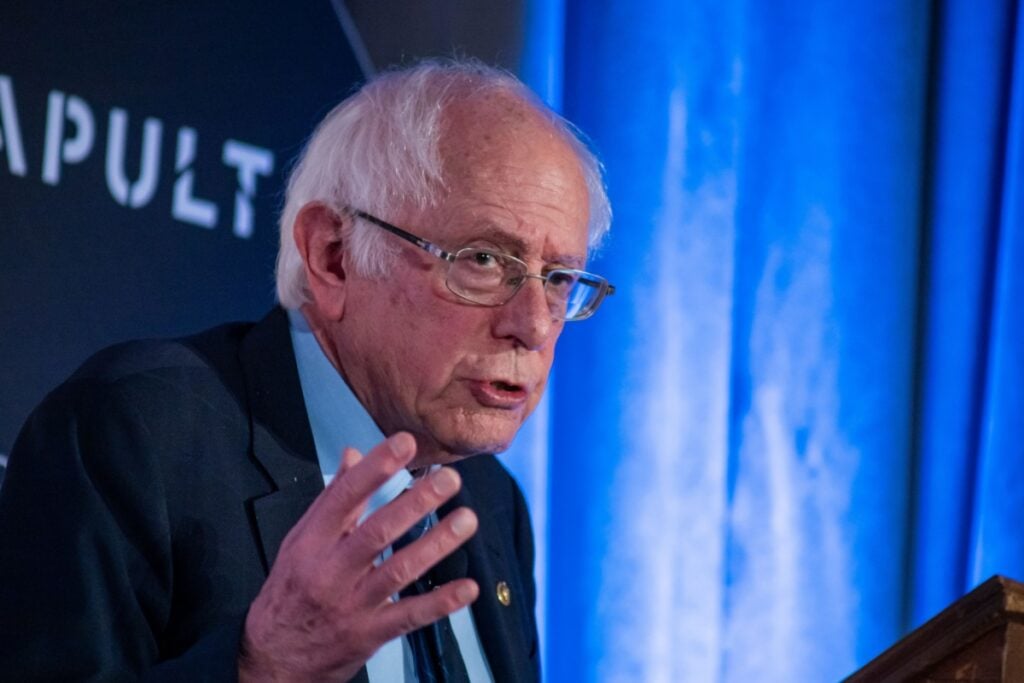
U.S. Senator Bernie Sanders traveled to Los Angeles to campaign for the wealth tax, framing it as a tool to confront growing wealth inequality and to protect essential services for lower‑income communities. Calling attention to what he describes as an “unprecedented concentration of wealth,” Sanders has sought to rally support among California’s Democratic base by highlighting the contrast between soaring billionaire fortunes and everyday economic struggles.
In contrast, California Governor Gavin Newsom, a key figure in the state’s Democratic establishment, has voiced strong opposition. Newsom’s camp has cautioned that taxing the ultra‑rich could undermine the state’s fiscal stability and weaken its competitive position, particularly if wealthy entrepreneurs and investors relocate to states with lower tax burdens. Critics of the proposal also point to California’s reliance on wealthy taxpayers for a substantial share of income tax revenue.
The dispute underscores broader ideological rifts within the Democratic Party at a sensitive political moment, as leaders seek a unifying agenda ahead of contests that will determine control of Congress.
Economic Stakes and Business Reaction
Silicon Valley and other business communities have reacted strongly to the possibility of a wealth tax. Some tech executives and billionaires have publicly threatened to leave California if the proposal advances, citing concerns that it would deter investment, erode job creation, and complicate business planning. Reports suggest that several wealthy individuals are already adjusting residency or financial strategies in anticipation of potential tax changes.
Business groups, including the California Chamber of Commerce, argue that the tax would not effectively address the state’s budget challenges. They warn that penalizing capital and high‑net‑worth individuals could lead to longer‑term revenue losses if residents and companies relocate. Meanwhile, union backers emphasize that the state’s healthcare system faces severe shortfalls due to expected federal funding cuts and that traditional tax sources are insufficient to cover the gap.
Ballot Qualification and Legal Questions
Supporters of the measure are working to collect the required signatures to place it on the November 2026 ballot. Under California law, ballot initiatives need more than 870,000 valid signatures to qualify, and backers are actively gathering voter support ahead of upcoming deadlines.
Legal and technical issues may arise if the wealth tax qualifies. Experts have noted potential constitutional challenges to the measure’s design, particularly its retroactive application to wealth held as of January 1, 2026, and complexities in valuing illiquid assets. These concerns could lead to court battles even if voters approve the tax.
Republican figures and wealthy donors have also mobilized resources to oppose the proposed levy, financing campaigns and ballot measures to counter the wealth tax’s effects or prevent its passage.
