


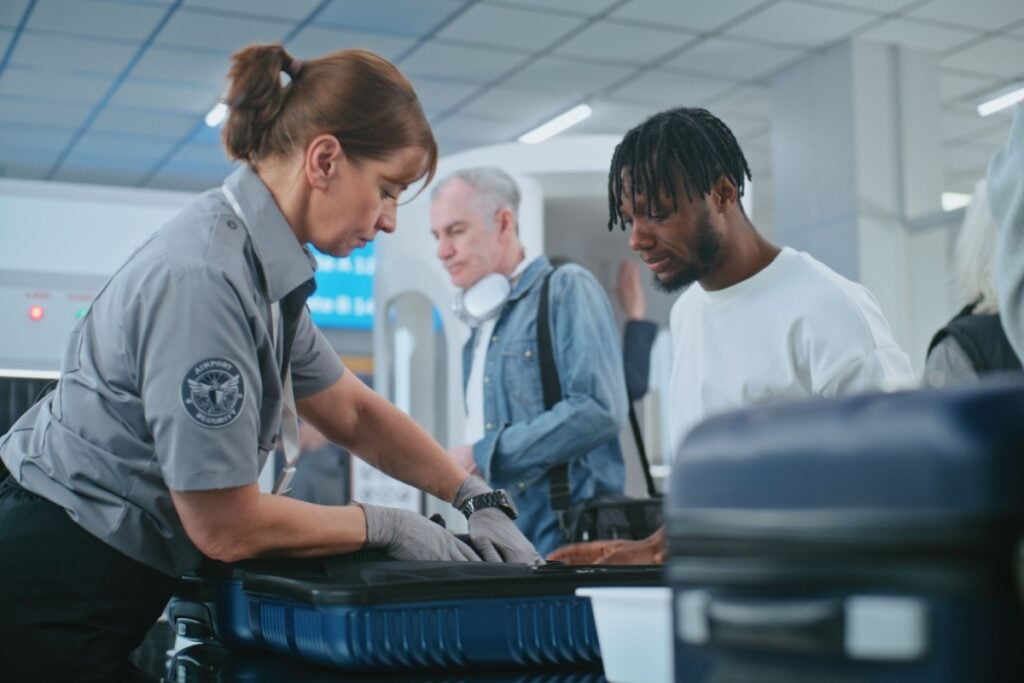
A rise in absences among Transportation Security Administration officers is adding new strain to air travel across the United States during one of the busiest periods of the spring season. The staffing problem has emerged as a partial federal shutdown continues, leaving tens of thousands of airport security employees working without pay and forcing airports and airlines to manage longer lines and a more fragile operating environment.
According to federal officials, about 10% of TSA screening officers did not report for duty on Sunday, a marked increase from the normal level of under 2%. At several major airports, the situation has been more difficult, with absentee rates reaching 20% or higher. Reuters reported that some locations, including Houston, New Orleans, and Atlanta, experienced especially sharp spikes, contributing to lengthy waits at checkpoints and growing concern among travelers heading out for spring break trips.
The disruption is affecting a travel system that was already expected to face heavy demand. Airlines have warned that the combination of high passenger volume and reduced staffing at security checkpoints risks producing wider delays if the impasse continues. Industry leaders say the immediate concern is not only inconvenience, but the possibility that pressure on airport operations could intensify quickly if more officers stop reporting.
Shutdown Deadlock Hits Front-Line Operations
The current problem is tied to a broader funding standoff in Washington that has left the Department of Homeland Security without full appropriations since mid-February. Because TSA falls under DHS, approximately 50,000 officers have been required to keep working despite not receiving paychecks during the shutdown. Reuters reported that more than 300 officers had already resigned in recent days, an indication that the financial stress is beginning to translate into operational losses.
The pattern echoes earlier shutdown episodes in which unpaid aviation personnel increasingly stayed home as the disruption dragged on. Previous reporting by Reuters noted that absenteeism among TSA workers climbed during past shutdowns, lengthening checkpoint lines and intensifying pressure on lawmakers. That history is one reason the latest increase is drawing close attention from both the airline industry and federal transportation officials.
For travelers, the visible result is uneven but significant. Some airports have reported security waits stretching beyond two hours, while others have managed to keep passenger flow moving despite thinner staffing. The variability depends on airport size, local absence levels, and the timing of peak departures, but the broader message is consistent: staffing shortages at screening points are now materially affecting the travel experience.
Airlines Warn of Broader Travel Risks
Major airline executives have begun pressing Congress to resolve the dispute, arguing that aviation infrastructure is too important to remain exposed to a prolonged political stalemate. The chief executives of several leading passenger and cargo carriers have called for immediate action, saying unpaid security staff is critical to maintaining reliable airport operations during a period when millions of travelers are expected to fly.
The industry’s concern extends beyond security lines alone. When staffing stress spreads across the aviation system, delays can compound quickly, especially during holiday and vacation periods. Reuters reported that 171 million passengers are expected to travel during the spring season, up about 4% from a year earlier. In that environment, even moderate disruptions at checkpoints can ripple across airline schedules, terminal operations, and passenger connections.
Airlines are also pushing for a longer-term fix that would guarantee pay for key aviation personnel during future shutdowns. Their argument is that airport security and air travel operations should not repeatedly face the same risks whenever federal budget negotiations break down.
Smaller Airports Could Face Tougher Decisions
Federal officials have also warned that the problem may not remain limited to longer lines at major hubs. Reuters reported on March 17 that the government could be forced to shut some smaller airports if staffing shortages worsen further, particularly where maintaining minimum screening coverage becomes difficult. That possibility would mark a more serious phase in the disruption, shifting the issue from delays to reduced airport access in certain communities.
For now, the clearest impact remains at security checkpoints, where travelers are being advised to allow extra time and prepare for changing conditions. The situation reflects how quickly a budget dispute in Washington can move into the daily routines of passengers, airport workers, and airlines. With spring travel demand still elevated and no immediate political resolution in sight, airport screening operations remain under unusually close scrutiny.
