


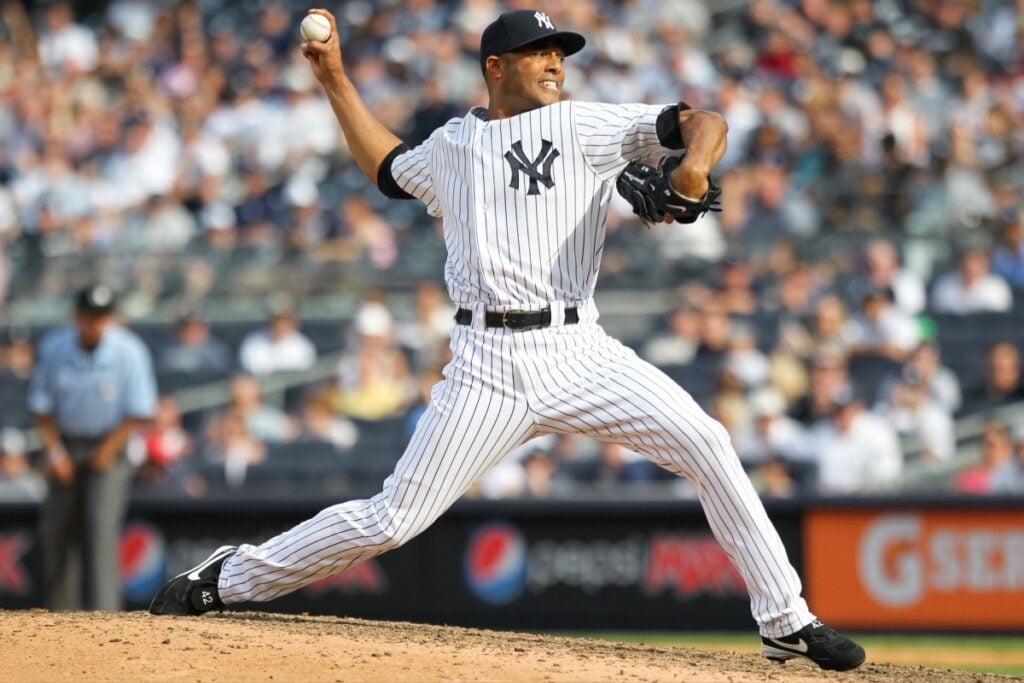
Major League Baseball opened its 2026 season with a high-profile matchup between the New York Yankees and the San Francisco Giants, marking a notable shift in how professional baseball is delivered to audiences. The game took place at Oracle Park in San Francisco, with first pitch scheduled for 8:05 p.m. Eastern Time on March 25.
This matchup was designated as MLB’s first official “Opening Night,” a new feature introduced ahead of the traditional Opening Day slate. Unlike earlier seasons, which typically launched with multiple games on the same day, the 2026 format spotlighted a single contest to draw national and international attention.
The contest also carried symbolic importance because it represented the first live Major League Baseball broadcast on Netflix, making the platform a central partner in the league’s evolving media strategy. This exclusive broadcast arrangement is part of a multi-year agreement designed to broaden MLB’s reach and attract younger viewers accustomed to streaming content.
On the field, pitching duties highlighted established talent. Logan Webb, the Giants’ ace, made his fifth consecutive Opening Day start, while Max Fried took the mound for the Yankees. Both players entered the season with expectations of leading their respective rotations and setting an early tone for their teams.
Expanding Partnerships Reshape Broadcast Landscape
The introduction of Netflix as an Opening Night broadcaster reflects broader changes in baseball’s television and streaming agreements. MLB has signed short-term deals with multiple partners, including NBC, Apple, Fox, ESPN, and Peacock, creating a more fragmented but technologically diverse viewing environment.
Under these agreements, NBC returned to national MLB coverage beginning in 2026, securing rights to Sunday Night Baseball and select postseason contests. This shift followed ESPN’s decision to opt out of its previous contract, opening the market to new media partners.
The strategy reflects the league’s effort to modernize its broadcast structure while experimenting with new distribution methods. By partnering with both streaming services and traditional networks, MLB aims to reach viewers across multiple platforms, including mobile devices and smart TVs.
Industry observers note that while the expanded network options increase accessibility, they also create challenges for fans who may need subscriptions to several services to follow a full season. In some regions, local team coverage now requires access to multiple digital platforms and traditional television channels.
Teams Enter Season With Renewed Expectations
Beyond broadcast developments, the Yankees and Giants began the season with roster adjustments intended to improve competitiveness. The Giants strengthened their lineup through offseason acquisitions, including experienced position players and additional pitching depth. Meanwhile, the Yankees focused on retaining key contributors while enhancing bullpen reliability.
The Giants entered the season under relatively new leadership, with Tony Vitello managing the club after being hired directly from the collegiate ranks in 2025. His appointment marked a rare transition from college baseball to the professional level, drawing attention to evolving management pathways within the sport.
For the Yankees, Opening Night represented an opportunity to establish momentum early against a National League opponent. Interleague matchups such as this one have become more common since scheduling adjustments expanded cross-league play, adding variety to early-season competition.
The contest also stood alone as the only MLB game scheduled for the opening evening, further emphasizing its role as a showcase event. The remainder of the league’s schedule followed over the next two days, with all 30 teams beginning their seasons between March 25 and March 27.
Technology and Entertainment Elements Shape Fan Experience
MLB’s collaboration with streaming platforms has introduced new production techniques and promotional features to enhance viewer engagement. The Opening Night broadcast featured expanded pregame programming, beginning 1 hour before the first pitch, providing analysis and entertainment for a global audience.
Special guest appearances and celebrity participation were also integrated into the presentation to attract broader audiences beyond traditional baseball fans. These entertainment-focused elements highlight the league’s interest in blending sports with popular culture to maintain relevance in a competitive media landscape.
The move toward streaming reflects a broader transformation across professional sports, as leagues test new digital formats to reach international markets. By offering globally accessible broadcasts, MLB seeks to expand its fan base and sustain long-term growth amid shifting viewing habits.
As the 2026 season progresses, additional nationally televised games and streaming events are scheduled across multiple platforms, including exclusive specialty broadcasts such as the Home Run Derby and other marquee matchups. These initiatives suggest that the Opening Night experiment may serve as a model for future seasons.
