


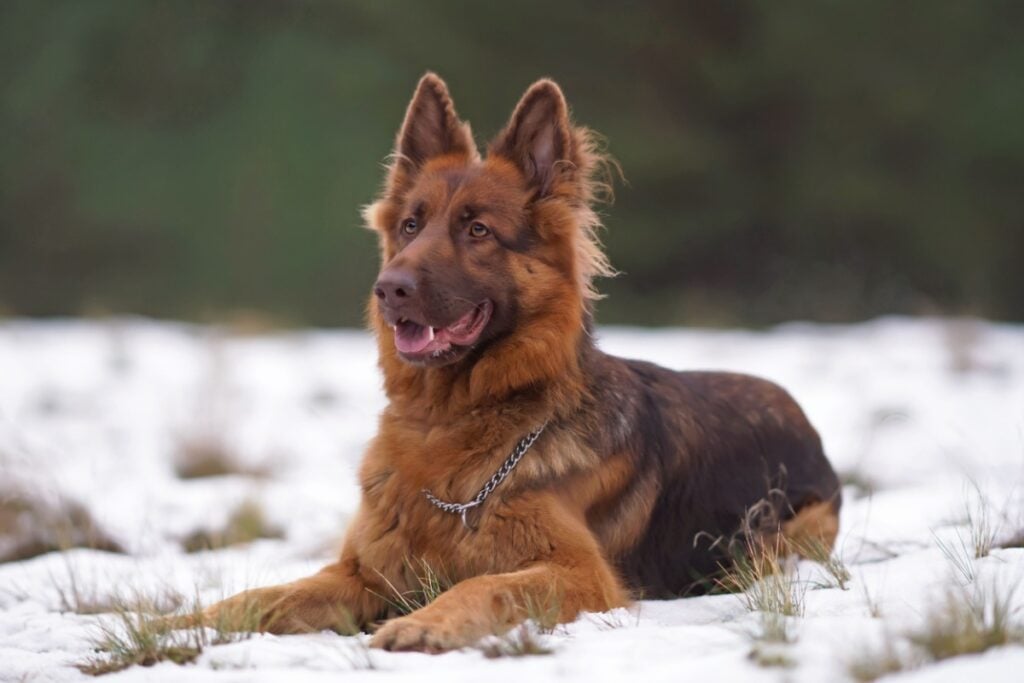
Recent genetic research has provided new insights into the origins of domestic dogs, suggesting that their relationship with humans began earlier than previously believed. Scientists analyzing ancient remains have identified genetic evidence indicating that dogs were living alongside humans at least 15,800 years ago, extending the timeline of domestication by roughly 5,000 years beyond earlier estimates.
The findings come from two studies published in the scientific journal Nature. Researchers developed an improved method to isolate canine DNA from ancient samples, which are often contaminated or degraded. By extracting only the genetic material specific to dogs and wolves, scientists were able to study remains that had previously been too difficult to analyze with conventional methods.
Using this approach, researchers examined genetic material taken from the remains of more than 200 ancient dogs and wolves. These samples represented some of the oldest known canine remains, allowing scientists to build a more detailed picture of early domestication processes and migration patterns.
Early Dogs Spread Across Europe And Asia
The genetic data indicate that dogs had already become widespread across Western Europe and parts of Asia around 14,200 years ago, well before the development of agriculture. These animals lived among hunter-gatherer communities that traveled frequently in search of food and resources.
Researchers believe that dogs descended from ancient populations of gray wolves that gradually adapted to living near humans. Over time, wolves that were less aggressive and more tolerant of human presence may have benefited from food scraps and shelter, encouraging a closer relationship. This behavioral shift was accompanied by genetic changes that eventually produced the domesticated dogs familiar today.
Interestingly, the studies suggest that early dog populations were influenced more by interactions among different hunter-gatherer groups than by large migrations associated with farming. While human populations in Europe underwent significant genetic changes during the spread of agriculture from Southwest Asia, canine populations remained comparatively stable.
This pattern contrasts with findings from dogs in Asia and the Americas, where canine genetic traits more closely mirrored the migration routes of their human companions. These regional differences highlight the complexity of domestication and suggest that dog populations evolved differently depending on local conditions and human movement.
Clues To What The First Dogs Looked Like
Although the exact appearance of the earliest domesticated dogs remains uncertain, researchers have formed hypotheses based on fossil evidence and genetic data. Early dogs likely resembled smaller wolves, reflecting their origins from wild ancestors. Their size and behavior may have allowed them to function effectively in close proximity to human communities.
Scientists also continue to debate the specific roles these early dogs played. Some researchers suggest that dogs may have served as hunting partners, helping humans track and capture prey. Others propose that they acted as guards or companions, providing protection and social interaction within early settlements. Evidence indicates that dogs may have been involved in several activities simultaneously, reflecting a versatile relationship between humans and animals.
Archaeological findings, including preserved jawbones and skeletal remains, offer additional insight into early canine life. Such fossils allow scientists to reconstruct physical traits and dietary habits, further refining the understanding of how wolves gradually transformed into domesticated animals.
Continuing Questions About Domestication Origins
Despite the advances these studies have provided, researchers emphasize that many questions remain unresolved. Scientists are still working to determine the exact geographic location where domestication first occurred. Current evidence points broadly to regions in Europe or Asia, but the precise setting has yet to be identified.
Further research will likely involve analyzing additional ancient remains and refining genetic sequencing techniques. Expanding the sample set to include different geographic regions may help clarify when dogs first migrated alongside humans and how they adapted to diverse environments. These developments could also improve understanding of how behavioral traits emerged during domestication.
The growing body of genetic evidence reinforces the view that dogs represent one of humanity’s earliest and most enduring animal partnerships. As researchers continue to explore ancient DNA, the long history shared by humans and dogs is becoming clearer, revealing a relationship shaped by thousands of years of cooperation and coexistence.
