


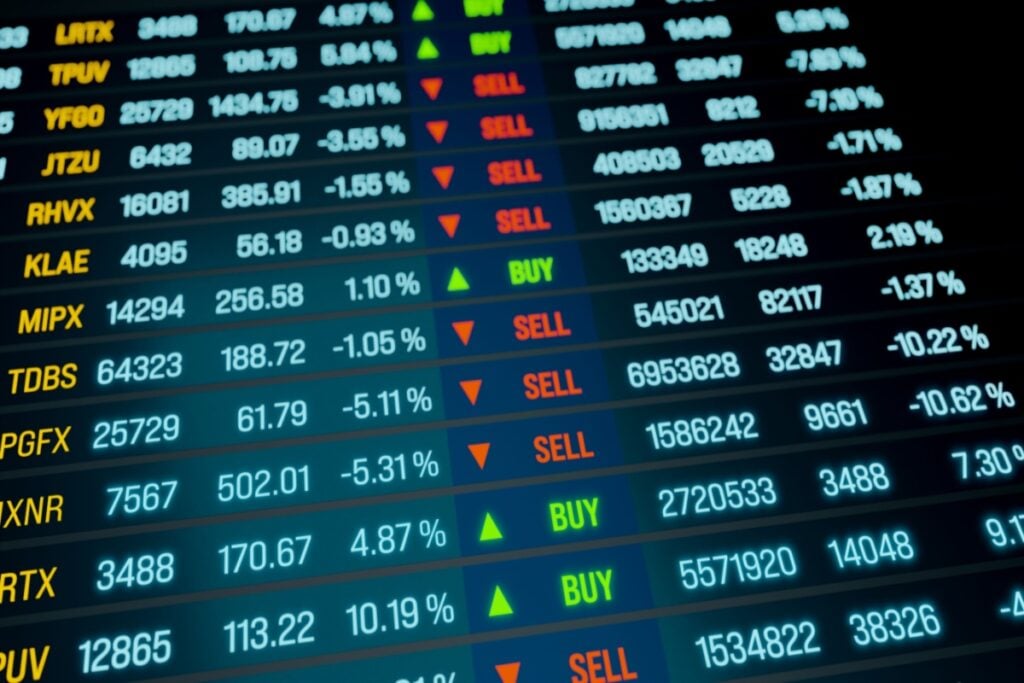
Global financial markets moved sharply lower as energy prices climbed amid escalating tensions tied to the conflict involving Iran. Investors reacted to renewed uncertainty after U.S. President Donald Trump delayed decisive military action, a move that failed to reassure traders who had hoped for clearer signals about the conflict’s trajectory.
Major stock indexes retreated as crude oil prices surged above key thresholds, reinforcing concerns about inflation and slower economic growth. Analysts reported that the S&P 500 posted one of its steepest daily declines since the conflict began, reflecting heightened risk aversion among institutional investors.
Market volatility has been closely linked to rising oil prices, a critical input for industries ranging from manufacturing to transportation. The conflict has disrupted shipping routes and raised fears of supply shortages, particularly in regions dependent on Middle Eastern exports. Brent crude oil has exceeded US$100 per barrel in recent weeks, reaching levels not seen since the height of pandemic-era disruptions.
These price movements have also undermined expectations that central banks might lower interest rates later in the year. Rising energy costs increase the likelihood of persistent inflation, forcing policymakers to weigh continued monetary tightening rather than easing.
Investor Sentiment Shifts With Policy Signals
Financial markets have been highly sensitive to political developments, particularly statements from U.S. leadership. The decision to postpone potential strikes on Iranian energy facilities introduced further uncertainty rather than stability, with investors interpreting the move as a sign that tensions could extend over a longer period.
Previous announcements suggesting diplomatic engagement had briefly lifted markets. During earlier sessions, equities rallied after signals that talks between Washington and Tehran might reduce hostilities. However, those gains quickly reversed when conflicting reports emerged about the likelihood of meaningful negotiations.
Traders have described a pattern of rapid swings between optimism and caution, driven by geopolitical headlines rather than economic fundamentals. Each new policy shift has influenced commodity prices and equity markets within hours, contributing to a cycle of unpredictable movements across major exchanges.
This volatility has been particularly visible in technology-heavy sectors, where the Nasdaq index has slipped into correction territory after losing more than 10 percent from recent highs. Analysts have noted that sustained geopolitical instability often accelerates declines in growth-oriented stocks, which are more sensitive to interest rate expectations and global trade conditions.
Global Ripple Effects Across Asset Classes
The market impact has extended well beyond equities, affecting commodities, currencies, and bond markets worldwide. Oil price volatility has been mirrored by rising government bond yields, signaling expectations of higher borrowing costs and persistent inflation pressures.
Increased uncertainty has driven trading activity to record levels in derivatives markets, where investors use futures and options to hedge against potential losses. The parent company of the New York Stock Exchange reported historically high trading volumes as market participants sought protection from sudden price swings.
Currency markets have also reflected the shifting landscape. The U.S. dollar has strengthened slightly as investors seek liquidity amid instability. Meanwhile, traditional safe-haven assets such as gold have performed mixed, underscoring the unusual dynamics created by simultaneous inflation concerns and geopolitical risk.
Beyond financial markets, the economic consequences of prolonged disruptions could be far-reaching. Approximately one-fifth of the world’s oil supply typically passes through the Strait of Hormuz, a strategic shipping corridor that has faced repeated threats and interruptions during the conflict. Reduced tanker traffic has intensified fears of supply shortages and rising costs for businesses worldwide.
Corporate and Economic Outlook Under Pressure
Businesses across sectors have begun adjusting forecasts amid elevated energy costs and uncertain supply chains. Airlines, manufacturers, and logistics companies are particularly vulnerable to higher fuel expenses, which can quickly erode profit margins.
Financial analysts warn that prolonged instability could slow global economic growth. Higher energy prices tend to reduce consumer purchasing power, leaving households with less disposable income and lowering demand for goods and services. Such conditions often place pressure on corporate earnings and investment plans.
Some firms have already moved to scale back risk exposure by delaying expansion projects and increasing liquidity reserves. Fund managers worldwide have reported increased portfolio adjustments and longer working hours as they respond to rapid changes in market conditions.
Market participants remain focused on future developments in diplomatic negotiations and military actions. Analysts note that continued volatility is likely as long as the geopolitical situation remains unresolved, with energy prices expected to remain the central driver of global financial sentiment.
