


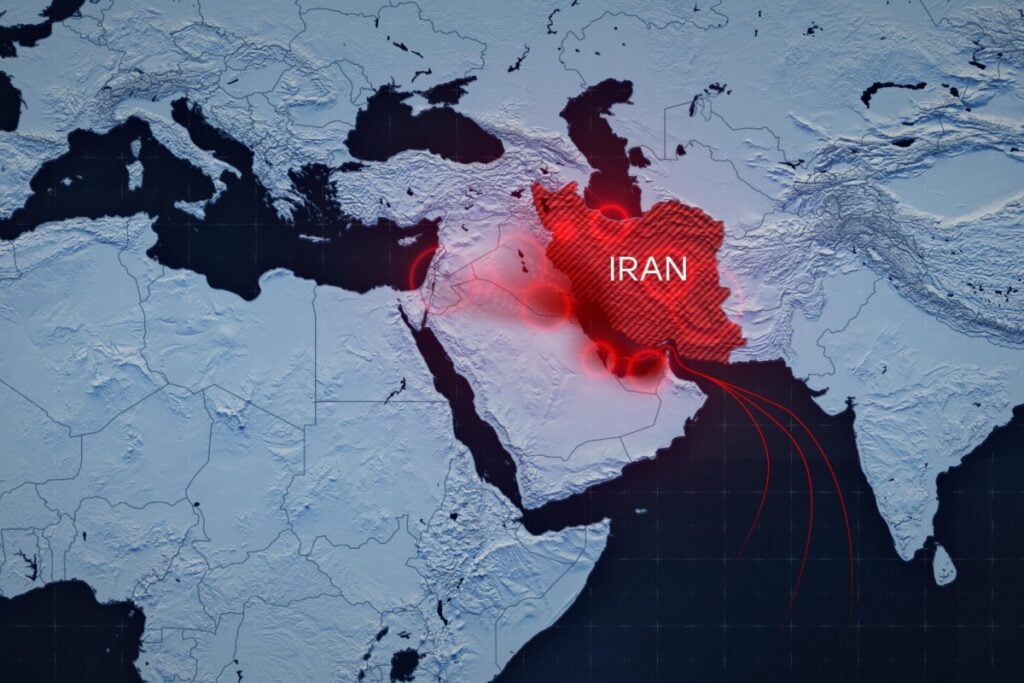
U.S. President Donald Trump is preparing to address the nation in a prime-time speech outlining the current status of the ongoing war involving the United States, Israel, and Iran. The planned address comes amid escalating tensions with international allies and growing economic fallout linked to the conflict.
Officials said the speech will focus on military developments, diplomatic efforts, and the broader global impact of the fighting. The White House confirmed that the president intends to provide updated information to the public as the war enters a critical stage.
The conflict, which began in late February after joint U.S. and Israeli strikes targeted Iranian military and nuclear facilities, has triggered retaliatory missile attacks and expanded military activity across the region. Iranian strikes have affected multiple locations, including civilian areas in Israel, contributing to casualties and widespread disruption.
Recent developments suggest that both military pressure and diplomatic channels remain active. Earlier proposals reportedly included a multi-point ceasefire framework delivered through international intermediaries, highlighting ongoing efforts to reduce hostilities while maintaining strategic leverage.
Tensions Rise Between Washington and Allied Nations
Relations between the United States and several allied countries have become strained as disagreements emerge over who should bear responsibility for securing key maritime routes. President Trump has publicly expressed frustration with nations that rely heavily on Middle Eastern oil shipments but have contributed limited support to military operations.
One of the central disputes involves the Strait of Hormuz, a narrow shipping route through which a large share of the world’s oil passes. The president stated that nations benefiting from the waterway should take a more active role in maintaining its security, arguing that the United States should not shoulder the burden alone.
European governments have responded cautiously, with some signaling reluctance to expand military commitments. Analysts warn that prolonged disagreements among Western allies could complicate efforts to stabilize the region and coordinate responses to Iran’s military actions.
Meanwhile, global markets continue to react to the uncertainty. Rising fuel prices have already been recorded in several countries, with economists noting that sustained disruptions in oil transport routes could increase costs for transportation and food supply chains worldwide.
Regional Fighting Expands Beyond Initial Frontlines
Military activity linked to the conflict has spread beyond direct exchanges between the United States, Israel, and Iran. Iranian-backed groups in the region have joined the fighting, launching missile attacks and threatening further escalation across strategic corridors.
These developments underscore concerns among defense experts that the conflict could evolve into a wider regional war if additional armed factions become involved. The involvement of non-state actors increases the complexity of military coordination and heightens the risk of unintended escalation.
At the same time, leaders in Israel have emphasized that military operations aim to neutralize long-term security threats, particularly those associated with missile programs and nuclear capabilities. U.S. officials have likewise described the campaign as part of a broader effort to prevent Iran from expanding its strategic influence.
Civilian populations across the Middle East have faced growing hardship as infrastructure damage and security restrictions disrupt daily life. International organizations continue to monitor humanitarian conditions, especially in areas affected by repeated missile exchanges.
Diplomatic Signals Suggest Uncertain Path Ahead
Despite ongoing military operations, recent statements from U.S. leadership suggest a shorter conflict timeline. President Trump has suggested that the war could potentially conclude within weeks, depending on battlefield developments and strategic outcomes.
Observers note that Washington’s diplomatic messaging has alternated between calls for negotiation and warnings of expanded military action. This dual approach reflects attempts to balance pressure on Iran while keeping open channels for potential talks.
International voices have also urged restraint. Religious leaders and diplomatic figures have publicly called for renewed dialogue and reduced violence, citing humanitarian concerns and the long-term consequences of prolonged warfare.
As preparations continue for the president’s national address, global attention remains focused on how the conflict may evolve. Military, economic, and diplomatic developments in the coming days are expected to shape the next phase of a war that has already altered geopolitical relationships and heightened uncertainty across international markets.
