


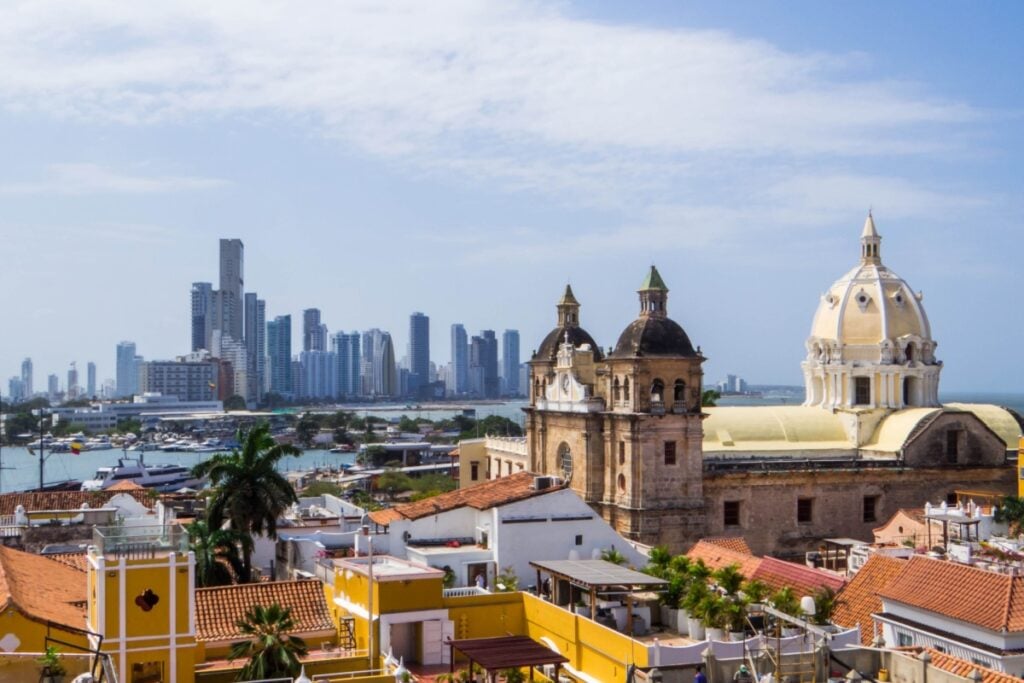
U.S. officials have urged travelers to reconsider visiting a well-known Latin American destination following renewed safety concerns linked to crime and violence. The updated advisory reflects ongoing risks that authorities say could affect visitors, particularly in regions with elevated criminal activity.
The U.S. State Department currently classifies Colombia as “Level 3: Reconsider Travel.” The designation cites concerns including crime, terrorism, kidnapping, and civil unrest, while warning that some areas carry significantly higher risks than others.
Officials emphasized that certain regions, including border zones and areas affected by armed groups, remain particularly dangerous. Travelers are advised to avoid remote areas and exercise heightened vigilance in major cities and tourist centers. The guidance forms part of a broader system that ranks destinations by risk levels, allowing travelers and businesses to evaluate security conditions before planning.
Recent high-profile incidents have drawn renewed attention to traveler safety in the country. Authorities confirmed that an American airline crew member died following a disappearance during a layover in Medellín, with investigators examining possible criminal involvement. The case reinforced existing concerns about thefts and assaults targeting foreign visitors.
Tourism Industry Faces Renewed Uncertainty
The updated advisory arrives at a time when Colombia’s tourism sector has been experiencing steady growth, fueled by international interest in cultural tourism, eco-travel, and urban attractions. Increased warnings from major source markets such as the United States can influence booking patterns and travel demand, particularly during peak seasons.
Industry analysts note that security advisories often produce immediate reactions among travelers, especially those planning leisure trips. Tour operators and hospitality businesses typically monitor such developments closely, as shifts in perceived safety can lead to cancellations or itinerary changes.
Travel advisories are issued using a four-tier system that ranges from routine precautions to full “Do Not Travel” warnings. A Level 3 designation signals serious safety risks that may discourage non-essential travel and trigger additional scrutiny by insurers and airlines.
Airlines and travel providers may also adjust routes or reinforce security protocols when warnings are issued. While international flights continue to operate, travelers often seek greater flexibility in booking or insurance coverage, reflecting heightened caution amid evolving conditions.
Tourism-dependent economies across Latin America closely monitor these advisories, as U.S. travelers represent a major share of foreign visitors in many countries. A change in official guidance can influence hotel occupancy, airline demand, and local employment in regions reliant on tourism revenue.
Broader Regional Context Shapes Travel Behavior
Security warnings in one country frequently influence perceptions across neighboring destinations. Analysts note that travelers often evaluate risk regionally rather than country by country, particularly when news coverage highlights crime or violence in multiple locations.
Latin America continues to face ongoing challenges related to organized crime, including drug trafficking networks that contribute to violent incidents in urban and rural areas. In some cities, crime rates remain elevated due to the presence of armed groups competing for territorial control.
Despite these concerns, travel demand to parts of Latin America remains resilient, supported by strong demand for cultural tourism and nature-focused travel experiences. Some countries within the region continue to promote themselves as comparatively stable destinations to attract visitors seeking alternatives to higher-risk areas.
Security developments elsewhere in the hemisphere have also influenced traveler sentiment. In Mexico, for example, authorities recently warned travelers to exercise caution in certain states following security operations and related disruptions, highlighting how localized incidents can affect broader travel patterns.
Businesses Adjust to Shifting Risk Perceptions
Travel advisories increasingly influence corporate travel planning and insurance policies, particularly for multinational companies sending employees abroad. Firms often review government guidance before authorizing business travel, and some adopt stricter approval procedures for destinations with higher risk levels.
Insurance providers also monitor advisory changes, as higher risk ratings can affect coverage availability and premium costs. Travelers frequently seek policies that offer flexibility, including options allowing cancellations due to safety concerns.
Travel risk management firms have reported increased demand for real-time intelligence services, reflecting the growing complexity of international travel planning. Businesses operating in tourism, aviation, and hospitality sectors rely heavily on such data to maintain operations while addressing safety concerns.
At the same time, local governments in tourist destinations often respond by increasing security presence, expanding surveillance, and promoting public safety campaigns to reassure visitors. These measures are designed to preserve confidence among travelers and sustain the economic benefits generated by international tourism.
