


A powerful earthquake off Japan’s northeastern coastline prompted tsunami warnings and evacuation orders, raising concerns among travelers with upcoming trips to the country. The earthquake, recorded at approximately magnitude 7.7, struck offshore near the Sanriku region on April 20, 2026, triggering alerts across multiple coastal prefectures.
Authorities reported tsunami waves reaching up to 80 centimeters in several coastal areas, including ports in Iwate Prefecture. Initial forecasts suggested the possibility of waves up to 3 meters, prompting emergency evacuations in vulnerable areas.
More than 170,000 residents across northern coastal regions were advised to move to higher ground as a precaution. Rail services, including sections of Japan’s high-speed bullet train network, were temporarily suspended while safety inspections took place.
Officials later downgraded some warnings to advisories as conditions stabilized. Reports indicated no major casualties or structural damage, though isolated injuries and limited power outages were noted.
Travel Disruptions Remain Limited Outside Affected Areas
Despite the initial warnings, the broader impact on travel infrastructure has remained relatively contained. Airports across Japan have continued operating, and most scheduled flights have proceeded with only minor adjustments.
Travel guidance from multiple international authorities has continued to classify Japan as generally safe for visitors, provided that travelers avoid affected coastal regions in northeastern areas such as parts of Iwate, Aomori, and Hokkaido while advisories remain in place.
For travelers already in Japan, tour operators and travel providers have been encouraged to offer flexible arrangements where itineraries include impacted destinations. Package holiday customers may be eligible for alternative routes or refunds, depending on booking conditions, while independent travelers are typically advised to contact airlines or accommodation providers directly.
Transport disruptions have been temporary in many cases. Road closures and rail suspensions were introduced as a precaution immediately after the quake, but services have gradually resumed following safety inspections confirming structural integrity.
Authorities Advise Caution in Coastal Regions
Japanese authorities continue to emphasize safety precautions for anyone in coastal or low-lying areas following the earthquake. Travelers are urged to monitor official announcements from the Japan Meteorological Agency and local authorities, particularly regarding ongoing tsunami advisories.
Emergency guidelines stress that individuals should stay away from shorelines until all warnings are lifted, as tsunami waves can arrive in multiple surges rather than as a single surge. Moving to elevated areas or designated evacuation buildings remains the standard safety recommendation.
Officials also issued a short-term advisory warning of a slightly elevated probability of another large earthquake in the coming days. The estimated risk increased from approximately 0.1 percent to around 1 percent, a change described as precautionary rather than predictive.
Japan’s long-standing preparedness systems played a significant role in limiting damage. The country maintains extensive disaster response infrastructure and a nationwide early-warning network that delivers alerts rapidly after seismic activity is detected.
Most Tourist Destinations Continue Operating Normally
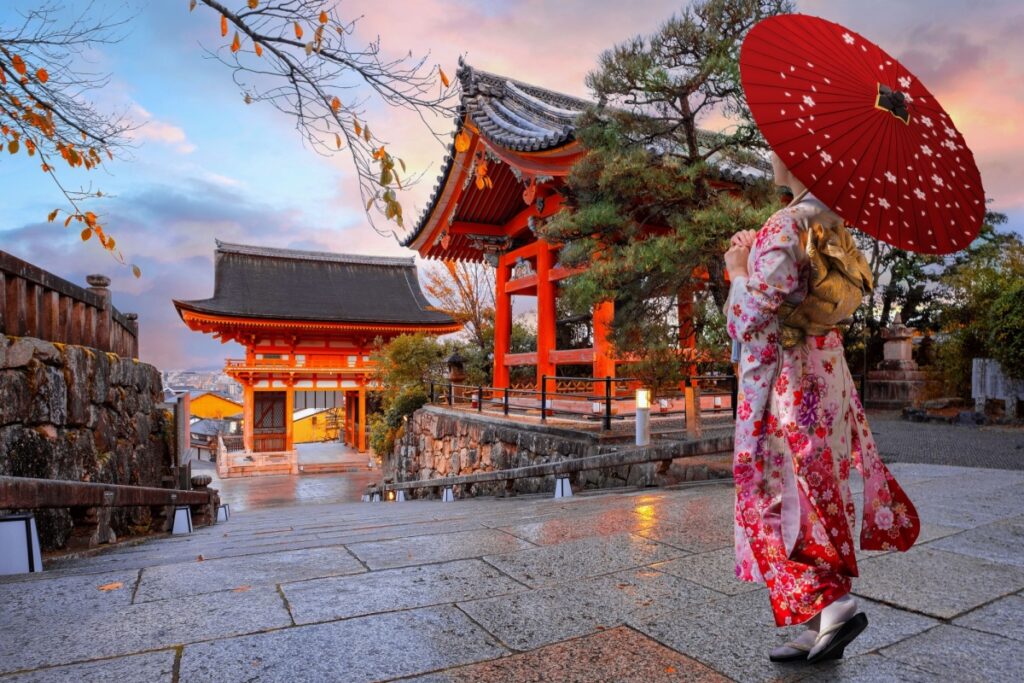
Popular travel destinations such as Tokyo, Kyoto, and Osaka remain unaffected by the tsunami warnings and continue to operate normally. Tourism officials report that hotels, cultural sites, and urban attractions in central and western Japan have not experienced significant disruption.
Travel advisory systems in several countries continue to recommend normal safety precautions for Japan overall, noting that the country is highly experienced in managing earthquakes and natural disasters. Visitors are encouraged to familiarize themselves with local emergency procedures and signage upon arrival.
Japan’s location along the Pacific “Ring of Fire” means seismic activity is common, and local infrastructure is designed to strict earthquake-resilience standards. Experts note that while earthquakes can cause short-term disruption, large parts of the country remain safe and accessible to visitors most of the time.
Tourism authorities have also reminded travelers that official guidance can change quickly in response to new developments. Monitoring updates from airlines, hotels, and government agencies remains essential for those planning travel to Japan in the coming weeks.
