


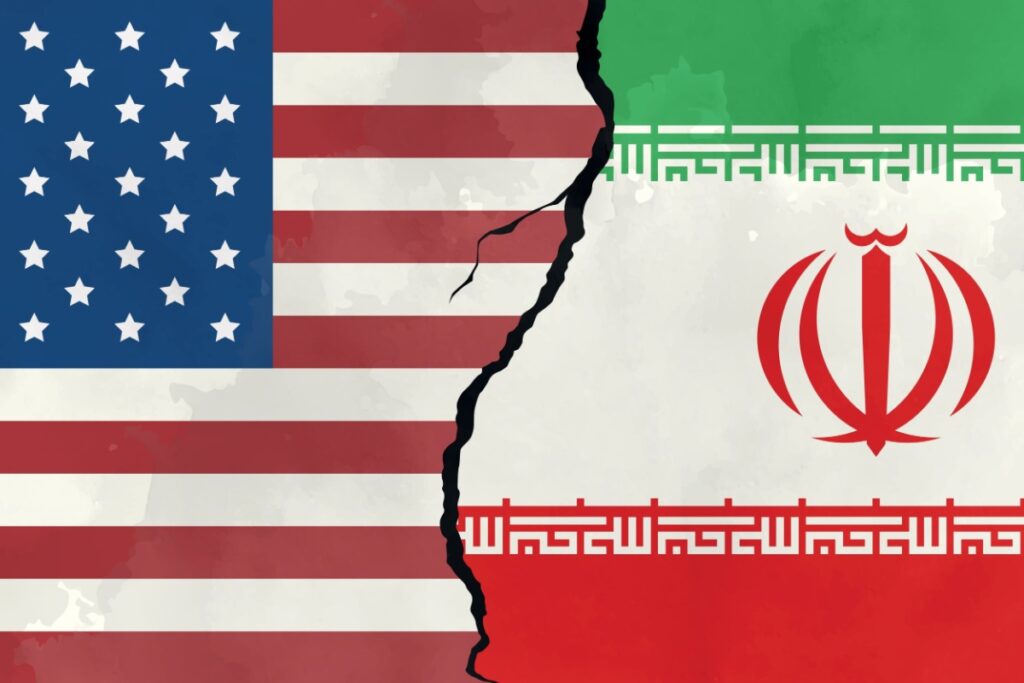
The fragile ceasefire between the United States and Iran appears to be holding, even as fresh attacks and rising tensions continue to test its limits in one of the world’s most critical energy corridors. Military officials insist the truce remains intact, but uncertainty in the Strait of Hormuz is keeping global markets and shipping companies on edge.
A Fragile Peace Under Pressure
U.S. military leaders confirmed Tuesday that the ceasefire with Iran remains in effect, despite renewed hostilities in the Strait of Hormuz and attacks targeting the United Arab Emirates. The truce, established nearly a month ago, is being strained but not broken.
U.S. Defense Secretary Pete Hegseth emphasized stability, stating, “No, the ceasefire is not over,” reinforcing the view that recent incidents have not escalated into full-scale conflict. Supporting this, Gen. Dan Caine described recent activity as a “quieter” day in the strait, signaling cautious optimism.
Rising Tensions in Strategic Waters
Despite official assurances, the situation remains volatile. The United States reported sinking six Iranian boats that posed threats to commercial shipping lanes. Meanwhile, Iran disputes this claim, alleging civilian casualties instead.
Gen. Caine outlined ongoing risks, stating, “Since the ceasefire was announced, Iran has fired at commercial vessels nine times and seized two container ships, and they’ve attacked U.S. forces more than 10 times – all below the threshold of restarting major combat operations at this point.”
The U.S. has deployed more than 100 military aircraft to patrol the region, underscoring the seriousness of the situation even under a ceasefire framework.
Iran Pushes Back on U.S. Actions
Iranian officials argue that U.S. efforts to reopen the Strait of Hormuz violate the ceasefire agreement. Mohammad Bagher Qalibaf criticized Washington’s actions, warning of future escalation.
In a statement, he said: “We know full well that the continuation of the status quo is intolerable for America; while we have not even begun yet.”
Iran has not fully clarified its next steps but hinted that responses may still be forthcoming, raising concerns about the durability of the truce.
Shipping Gridlock and Global Anxiety
Commercial shipping remains severely disrupted. Only two U.S.-flagged merchant vessels have successfully navigated the newly secured route, leaving hundreds stranded in the Persian Gulf.
German shipping giant Hapag-Lloyd AG confirmed ongoing hesitation, stating, “At this point in time our risk assessment remains unchanged. Transits through the Strait of Hormuz are for the moment not possible for our ships.”
Analysts remain skeptical. Torbjorn Soltvedt noted, “This initiative alone isn’t something that looks like it’s going to open the Strait of Hormuz.”
UAE Faces Direct Impact of Escalation
The United Arab Emirates has borne the brunt of recent attacks. Its defense systems intercepted multiple missiles and drones, but not without consequences. A drone strike ignited a fire at a key oil facility in Fujairah, injuring three people.
India’s Prime Minister Narendra Modi condemned the attacks, stating that targeting civilians and infrastructure is “unacceptable,” and reaffirmed India’s “firm solidarity” with the UAE.
Iran has neither confirmed nor denied responsibility, though Foreign Minister Abbas Araghchi warned that both the U.S. and UAE “should be wary of being dragged back into quagmire.”
Economic Fallout and Strategic Stakes
The disruption of the Strait of Hormuz—through which a significant portion of global oil and gas flows—has already sent fuel prices soaring and shaken international markets.
The United States has intensified pressure on Iran by enforcing a naval blockade on its ports, turning away dozens of commercial vessels. The strategy aims to weaken Iran’s economic leverage and push it toward concessions on its nuclear program.
However, the risk remains that continued military actions, even below the threshold of full conflict, could unravel the ceasefire and reignite broader hostilities.
A Ceasefire Tested, Not Broken
While the ceasefire between the United States and Iran technically remains in place, it is increasingly being tested by military actions, political messaging, and economic pressure. With global energy supply chains at stake and regional tensions simmering, the situation in the Strait of Hormuz remains one of the most critical geopolitical flashpoints. Whether the fragile truce holds or collapses may depend on the next moves from both Washington and Tehran.
