


Two leading AI startups are bringing their competition into prime-time advertising as they try to convert consumer buzz into durable revenue. Anthropic is running two commercials during Sunday’s Super Bowl broadcast that take aim at the direction of rival OpenAI, according to The Associated Press.
The ads from Anthropic focus on the risks of “manipulative” chatbot behavior by portraying overly flattering, humanlike assistants that build trust before pitching products. The message on screen is blunt: “Ads are coming to AI. But not to Claude.” The campaign reflects a broader bet that users, especially business customers, will value fewer commercial interruptions and clearer incentives as AI tools become more embedded in daily work.
Ads Versus Subscriptions, and a Race for Scale
At the center of the clash is a disagreement about how large consumer chatbots should make money. Anthropic has emphasized selling its chatbot, Claude, to businesses as a core revenue strategy, while OpenAI has leaned on a mix of paid tiers and a massive free user base for ChatGPT and has begun opening the door to advertising on free and lower-cost offerings, the AP reported.
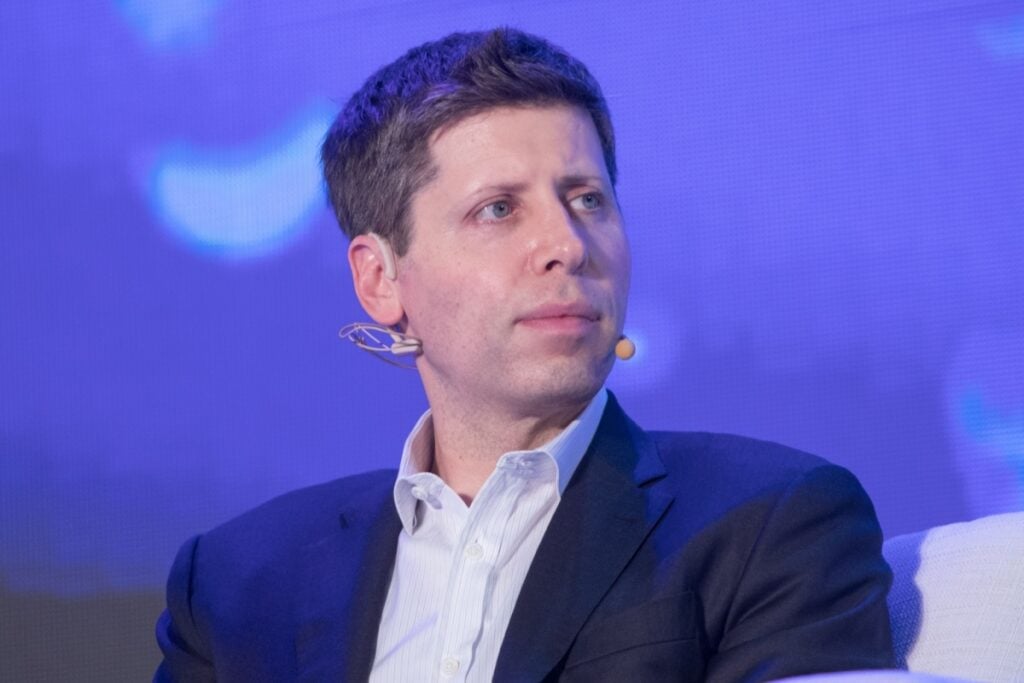
In a post on X responding to the Super Bowl ads, Sam Altman said he found the commercials “funny” but argued they were misleading, and he mocked Anthropic’s smaller reach. Altman wrote that Anthropic “serves an expensive product to rich people,” and claimed that more Texans use ChatGPT for free than the total number of U.S. Claude users.
Behind the marketing jabs is a deeper pressure shared by both companies: they must show that rapid adoption can translate into a business that earns more than it spends. The AP described the coming year as an “existential showdown,” with both firms needing to demonstrate that growth can outpace losses.
Platform Push Targets Corporate Buyers and AI “Agents”
While consumer attention matters, the most intense competition is aimed at enterprises looking to deploy AI to improve productivity—particularly so-called AI agents that can take actions on a user’s behalf. The AP report said the rivalry has sharpened as corporate leaders evaluate which AI systems can integrate into business workflows while meeting security and compliance requirements.
This week, OpenAI introduced a new business platform called Frontier, framed as a hub for companies adopting multiple AI tools that can work together, including autonomous agent-style systems. Fidji Simo told reporters the company wants to be a partner for enterprise “AI transformation,” arguing the revenue potential could be expansive.
Anthropic also announced product updates, including expanded capabilities for its Cowork assistant to automate legal research and drafting tasks. Industry analysts quoted by the AP said both companies are increasingly positioning themselves as platform providers rather than only model builders, as buyers seek packaged solutions that fit into existing operations.
Big-Tech Competition and the Cost of Compute
Even as Anthropic and OpenAI spar, they face competition from major technology companies that pair AI models with massive cloud infrastructure. The AP noted Google as a key rival, combining its Gemini model efforts with cloud capacity funded by legacy advertising revenue. The report also highlighted how the two startups’ partnerships complicate the landscape: Amazon is Anthropic’s primary cloud provider, while Microsoft holds a 27% stake in OpenAI.
Analysts cited by the AP said “hyperscalers” such as Microsoft, Google, and Amazon are often the first stop for companies adopting AI agents because they offer bundled cloud services, leaving model providers to compete for a secondary slot unless they can differentiate on trust, security, and compliance.
The financial stakes are high because the cost of building and running frontier AI systems remains enormous. The AP reported that OpenAI has said it owes more than $1 trillion in financial obligations to backers, including Oracle, Microsoft, and Nvidia, who are effectively fronting compute costs in expectation of future returns. Private companies do not disclose full sales figures, but the AP said both have signaled they generate billions of dollars in revenue from existing products, such as paid chatbot subscriptions.
