


Nearly 90,000 bottles of a widely distributed children’s pain reliever have been withdrawn from the U.S. market after reports of potential contamination, according to federal regulators. The affected product is a berry-flavored liquid ibuprofen commonly used to treat fever and pain in children aged 2 to 11.
The recall was initiated earlier in March after customers reported unusual contents in some bottles, including what regulators described as a “gel-like mass” and dark particles. These complaints prompted further review and led to the product’s removal from circulation as a precautionary measure.
The medication, marketed in the United States under Taro Pharmaceuticals, was manufactured overseas by Strides Pharma Inc., a company that produces generic and over-the-counter drugs for global distribution. The recall applies to specific batches that had already reached retail channels nationwide.
FDA Classification and Health Risk Assessment
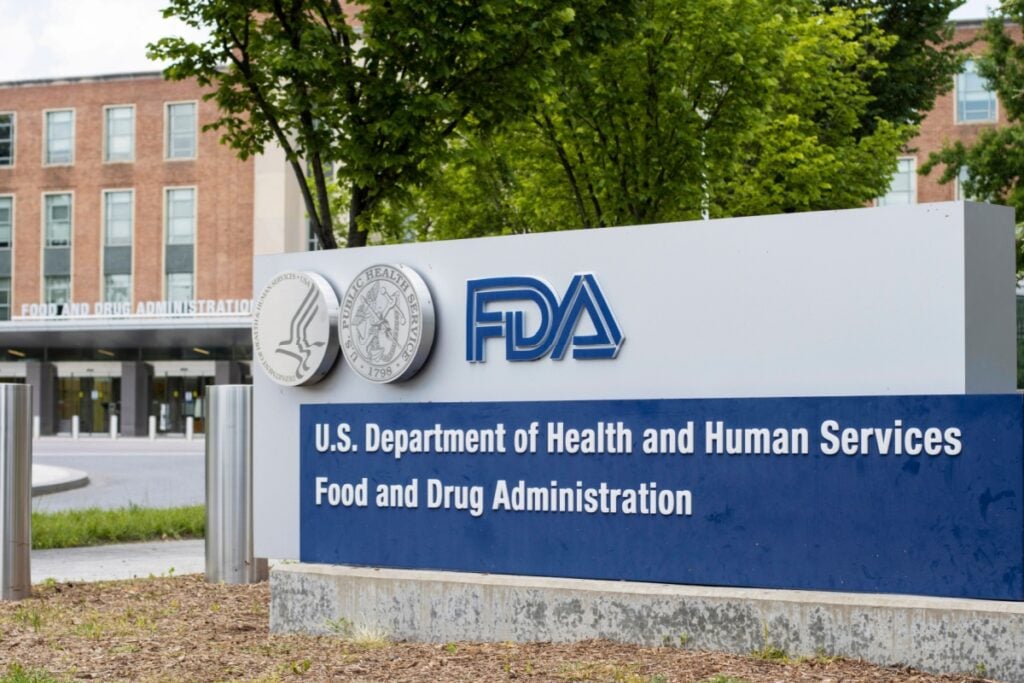
The U.S. Food and Drug Administration categorized the action as a Class II recall, a designation used when exposure to a product may cause temporary or medically reversible health effects, with a low probability of serious harm.
Regulators emphasized that, based on available information, the likelihood of severe health consequences is considered limited. However, the presence of foreign material in a liquid medication intended for children raises concerns about potential risks such as ingestion-related irritation or choking hazards.
No confirmed injuries or illnesses have been linked to the recalled batches at the time of the announcement. Nonetheless, authorities and healthcare professionals have advised parents and caregivers to discontinue use of the product immediately and seek guidance if the medicine has already been administered.
The recall notice also identified specific lot numbers and expiration dates tied to the affected bottles, allowing distributors and consumers to verify whether their products are included.
Supply Chain and Manufacturing Oversight
The incident highlights ongoing scrutiny of pharmaceutical manufacturing processes, particularly for products produced in global supply chains. The recalled medication was manufactured in India and distributed across the United States, reflecting the increasingly international nature of drug production.
While no definitive cause for the contamination has been disclosed, the presence of foreign substances suggests a potential lapse in quality control during production or packaging. Industry analysts note that such incidents can trigger broader reviews of manufacturing standards, especially when they involve medications intended for vulnerable populations such as children.
Neither Strides Pharma nor Taro Pharmaceuticals issued immediate public statements following the recall announcement, leaving questions about internal investigations and corrective measures unanswered.
The pharmaceutical sector has faced similar challenges in the past, with regulators increasing oversight and enforcement actions to ensure compliance with safety and quality requirements. Recalls of this scale, while not uncommon, can carry reputational and financial implications for manufacturers and distributors alike.
Market Impact and Consumer Response
Although the recall affects a relatively limited number of units compared with nationwide drug distribution volumes, it has drawn attention due to the product’s use in pediatric care. Over-the-counter children’s medications are widely used in households, making safety concerns particularly sensitive.
Retailers and pharmacies have begun removing the affected batches from shelves, while consumers are being advised to check medicine cabinets for specific lot numbers. In many cases, recalled products can be returned for refunds or replaced with alternative treatments recommended by healthcare providers.
The development also comes amid heightened awareness of product safety and transparency in consumer health goods. Regulatory agencies have increasingly relied on public recall notices and digital alerts to ensure rapid dissemination of information.
As the recall process continues, federal authorities are expected to monitor compliance and evaluate any additional reports related to the affected medication, while manufacturers may face further scrutiny regarding production standards and quality assurance practices.
