


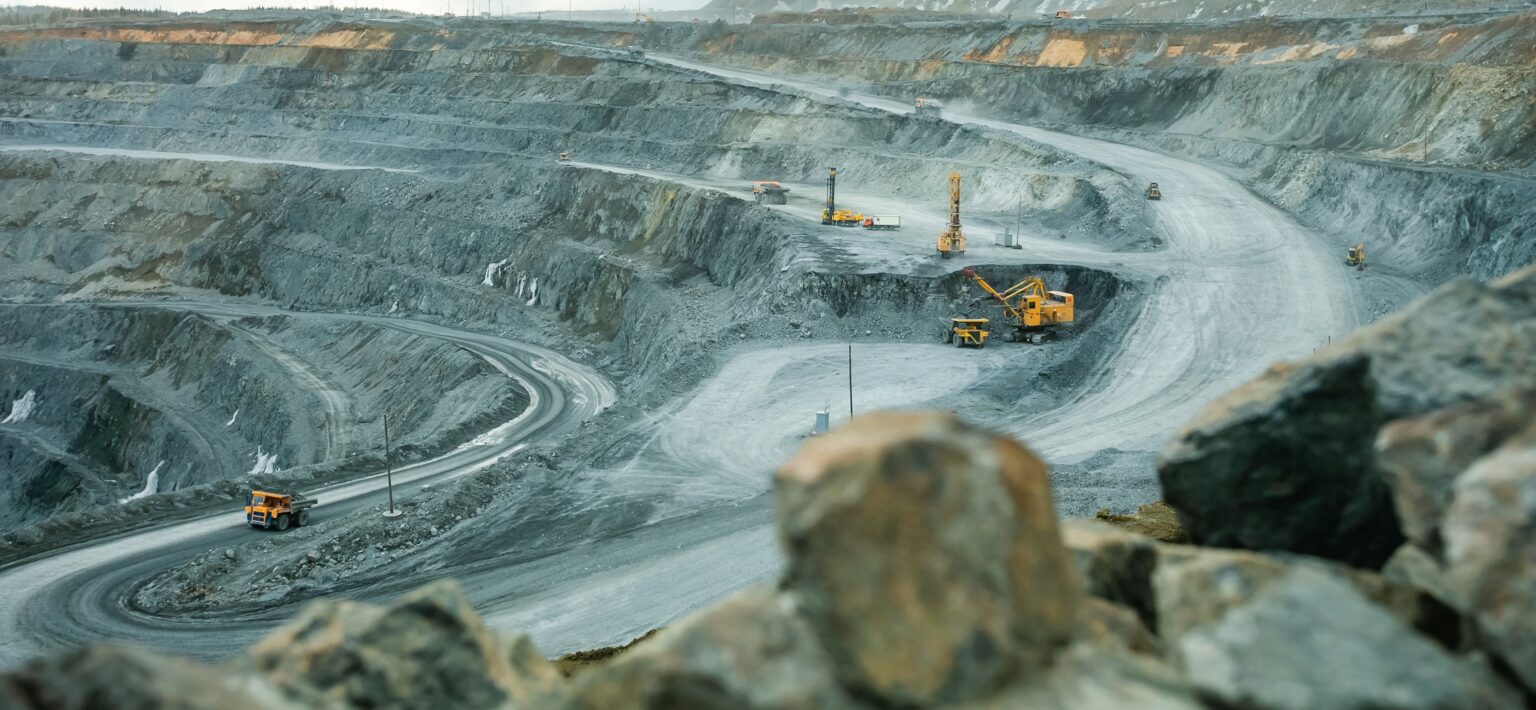
China’s dominance over critical minerals, from rare earth elements to tungsten and gallium, has become a pivotal bargaining chip in its trade dealings with the United States and other major economies. State support dating back to Deng Xiaoping’s 1992 declaration that “the Middle East has oil, China has rare earths” laid the groundwork for an industrial base that now processes roughly 80 percent of the world’s rare earths and the majority of several other key metals.
In mining hubs such as Ganzhou, generations have grown up extracting and refining these resources, making the region a linchpin of China’s mineral strategy. Yet even local miners acknowledge that easily accessible deposits are dwindling, prompting firms to secure overseas sources while tightening control at home.
Licensing Rules Give China Trade Leverage
Beijing’s export-license regime, introduced amid escalating technology and tariff disputes, requires exporters to obtain government approval for every shipment of certain rare earths. Approvals can take weeks, delaying global supply chains for semiconductors, electric vehicles, and defense systems. During the latest ministerial-level trade talks, Chinese negotiators reportedly agreed to fast-track some licenses after Washington pressed for relief; in exchange, the U.S. signaled it would halt efforts to revoke student visas for Chinese nationals. Analysts caution that China is unlikely to drop the permit system entirely, since the ability to “turn the spigot on and off at will” gives it potent leverage in any future confrontation.
U.S. Struggles To Build Domestic Supply Chain
Washington labels access to critical minerals a matter of national security, yet the gap with China remains vast. Between 2020 and 2023, the United States imported at least 70 percent of its rare-earth compounds from Chinese suppliers. The only operating U.S. rare-earth mine—Mountain Pass in California—must still ship ore to China for separation of the heavier elements essential for advanced magnets. The Pentagon has funded upgrades to build a domestic separation facility, but industry veterans estimate it will take years, if not decades, before the U.S. can match China’s vertically integrated supply chain. Companies such as NioCorp are seeking nearly US$780 million in financing to construct processing plants in Nebraska, evidence that government-backed credit is finally flowing to the sector, albeit far later than many in industry hoped.
Global Industries Seek Diversification
China’s tight grip is already reverberating through global manufacturing. European auto-parts suppliers have paused production lines due to raw-material delays, while U.S. firms like Tesla cite shortages as a drag on emerging projects such as humanoid robots. Japan’s experience offers a cautionary tale: when Beijing briefly halted rare-earth exports to Tokyo in 2010, Japanese companies scrambled to diversify, investing in alternative mines and stockpiling supplies. Similar diversification drives are now accelerating in the United States, Europe, and Australia, though analysts agree that no single country can quickly replicate China’s scale. Instead, they foresee a multi-node supply network, mines in Africa and Australia, refiners in the United States and Europe, designed to blunt, rather than eliminate, China’s mineral influence. For the moment, however, Beijing’s licensing pen remains one of the most consequential tools in twenty-first-century economic diplomacy.
