

Beauty inspiration is increasingly coming from screens, not salespeople. Quinn Kelsey, a 38-year-old shopper in Denver, said she watches TikTok for ideas, then uses an AI chatbot to filter options by budget and preview shades before she buys, often through Amazon. “I use ChatGPT as my personal beauty consultant,” she said, arguing that department stores rarely match the at-home research experience.
Department stores have been losing beauty influence since the late 1990s, when Sephora and Ulta Beauty made cosmetics shopping more self-directed. Retailers across formats are now competing for the $129 billion U.S. beauty and personal care market, and Euromonitor International says Amazon is the nation’s largest online seller in the category.
Macy’s And Nordstrom Try To Make Stores Worth A Visit
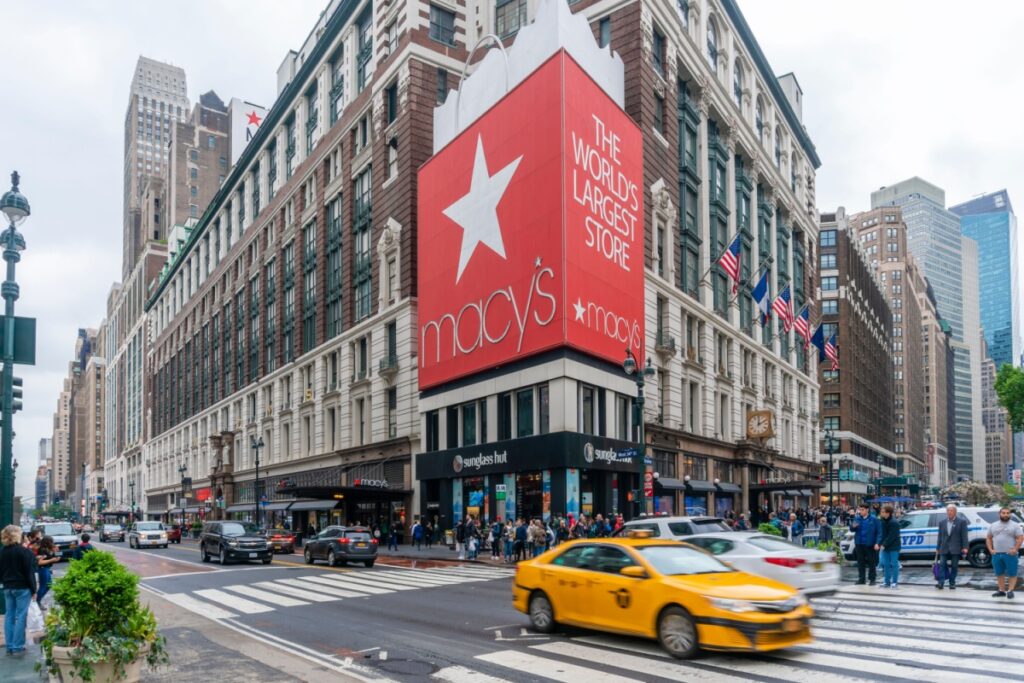
To counter the pull of e-commerce and social media, department stores are redesigning beauty floors around services and technology. Macy’s and Nordstrom recently renovated flagship locations in New York, adding space for higher-end lines and features meant to keep customers browsing. At Nordstrom, shoppers can book robot-applied eyelash extensions for $170, an example of services positioned as an in-person draw.
The push arrived ahead of the holiday rush, which represents about one-quarter of U.S. “prestige” beauty sales, according to market research firm Circana. Executives say the goal is to encourage shoppers to stay longer and spend more once they are in the store.
At Macy’s Herald Square, the redesign adds seating and skin-analysis devices that support recommendations for products that can cost hundreds of dollars. In a Parfums de Marly section, shoppers can try fragrances while wearing a virtual reality headset designed to evoke an 18th-century chateau linked to the brand story. “This is the future of beauty,” said Nicolette Bosco, Macy’s vice president of beauty. Macy’s expects to take the concept to 40 more stores.
Nordstrom’s refresh extended to its midtown Manhattan store, where a revamped beauty floor opened in September with areas to test tools and a “fragrance finder” machine that provides a dry whiff of up to 60 scents. At its New York flagship and several other stores, Nordstrom expanded treatments to include a medical spa offering Botox and dermal fillers priced from $575 to $1,050.
Competition Intensifies As Social Commerce Grows
Department stores are upgrading alongside rivals that helped reshape the category. Sephora, a unit of LVMH, is updating its 720 stores in the U.S. and Canada, moving hair and makeup stations for more privacy and aiming to speed checkout with mobile payment devices for staff.
Ulta is also expanding services, adding ear piercing, testing robotic manicures, and planning robotic lash extensions similar to Nordstrom’s next year. Big-box retailers are moving upmarket too: Walmart has added beauty counters in 100 stores where customers can try products.
Social media can also convert trends into purchases. After a fashion event at Nordstrom’s Manhattan flagship, Ivan Leon, a 35-year-old freelance stylist, went to the Tom Ford fragrance counter and spent $537 on Bitter Peach and Vanilla Sex. He said he planned to wear them together as “fragrance layering,” a practice he learned about online, though he typically buys fragrances on the internet.
Platforms are now major sellers themselves. TikTok Shop, launched in 2023, has become the nation’s seventh-largest online seller of beauty and personal care items, just behind Target, according to Euromonitor. The firm estimates online shares of about 1% for Macy’s and less than 0.5% for Nordstrom, both declining, and it estimates Amazon accounts for almost half of online beauty and personal care sales.
Retailers are responding with more digital tools, including virtual try-on and AI-based recommendations. Sephora introduced virtual try-on in 2016 and unveiled an AI-powered tool in March that uses selfies to flag potential skin concerns and suggest products.
