

The Walt Disney Company is making a major move into generative AI with a planned investment of around $1 billion in OpenAI, alongside a multi-year licensing and technology partnership.
Under the agreement, Disney will commit capital to OpenAI and receive equity and warrants that could increase its future stake in the San Francisco-based AI firm, which is currently valued in the range of hundreds of billions of dollars. The partnership spans three years and is being described by industry analysts as one of the largest and most far-reaching deals to date between a global media conglomerate and an AI developer.
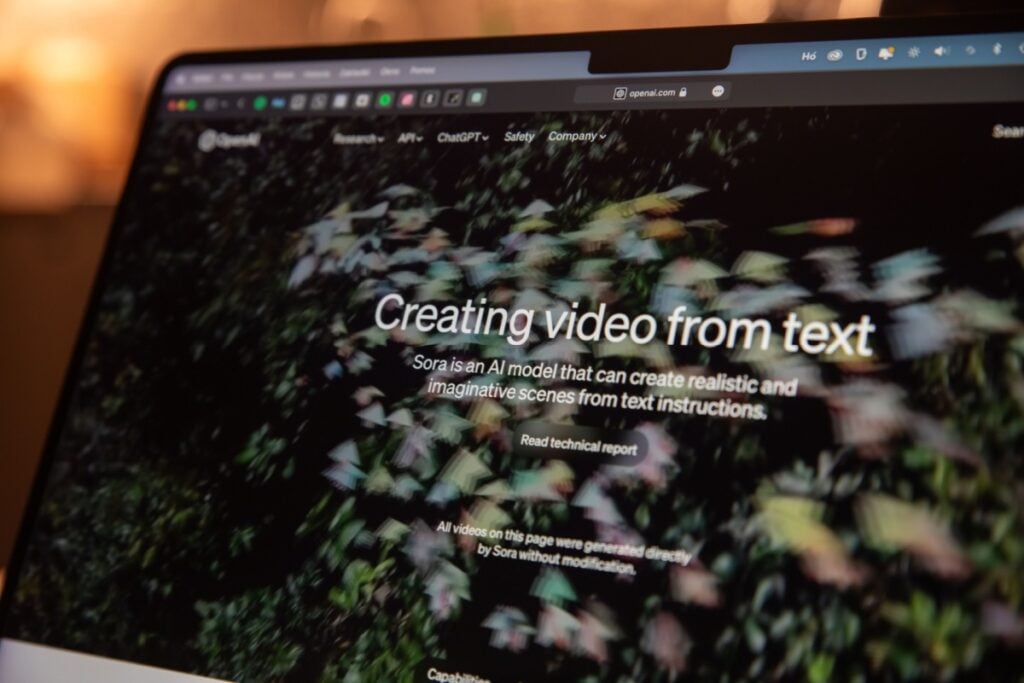
For OpenAI, the tie-up brings not only fresh funding but also access to one of the world’s richest collections of entertainment intellectual property. For Disney, it represents a bet that AI tools such as OpenAI’s video generator Sora and the broader ChatGPT platform can help the company deepen fan engagement, improve internal efficiency and develop new types of digital experiences across brands and services.
Disney CEO Bob Iger has previously framed artificial intelligence as both an operational tool and a strategic lever, arguing that it can support everything from content personalization to cost-efficient production, provided that creator rights are protected.
Opening Disney’s Character Library To Sora
A central element of the arrangement is a comprehensive licensing deal that allows OpenAI to use more than 200 characters and assets from across Disney’s portfolio inside Sora and related products.
The characters, environments and other visual elements will be available for users to incorporate into short AI-generated videos and images created through Sora. Fans will be able to prompt scenes featuring icons such as Mickey Mouse, Cinderella, or Luke Skywalker, subject to usage policies and technical limitations.
OpenAI and Disney plan to phase in these capabilities, with broader access expected to roll out from early 2026, after initial testing periods.Selected user-generated clips are slated to be highlighted on Disney+, turning the streaming platform into a showcase for curated Sora creations that meet Disney’s content and brand standards.
In parallel, elements of the same licensed IP will appear inside ChatGPT, allowing users to generate branded images and scenarios within the chat interface. However, the partnership does not extend to recreating the likeness or voices of human performers, and Disney’s content cannot be used to train OpenAI’s models under the terms that have been disclosed.
Rights, Guardrails And Hollywood’s AI Concerns
The deal comes after months of tension between major studios and AI developers over the use of copyrighted material in training datasets and generated content. Disney has been among the most vocal rights holders, previously sending at least one cease-and-desist letter to a large technology company over alleged unauthorized use of its works for AI model training.
By choosing to license its characters to OpenAI on defined terms, Disney is positioning the partnership as a controlled experiment in how Hollywood content can be integrated into generative tools without eroding intellectual property protections. The agreement reportedly includes time-limited exclusivity for OpenAI in certain uses of Disney IP and explicit restrictions on using the licensed material as training data.
OpenAI has faced growing scrutiny over Sora and similar products, amid concerns about deepfakes, misinformation and the impact of synthetic media on creative industries. Advocacy groups such as Public Citizen have recently called for tighter safeguards, citing risks to privacy, democracy and artistic control.
Both Sam Altman and Bob Iger have stressed that their collaboration is meant to demonstrate “responsible innovation,” with content filters, metadata tagging and contractual limits forming part of the risk-management toolkit. How effectively these measures address concerns from unions, talent agencies and regulators will be closely watched across the entertainment sector.
Disney As A Major OpenAI Customer
Beyond licensing, the agreement also turns Disney into a large enterprise customer of OpenAI. The company plans to deploy ChatGPT and other OpenAI technologies internally, giving employees tools for tasks such as script exploration, marketing copy, analytics support and software development.
On the consumer side, Disney intends to experiment with AI-driven personalization on platforms like Disney+, ESPN services and theme-park-related applications. Generative tools could be used to tailor recommendations, create interactive story elements or support new kinds of fan experiences that blend classic characters with user prompts.
Financial markets reacted positively to the announcement. Disney’s share price climbed by around 1–1.5% in the immediate aftermath, adding several billion US-dollars in market value and signaling investor support for the company’s AI strategy.
The tie-up also reinforces OpenAI’s position in a competitive field where technology companies and studios are still defining how to collaborate. Rivals such as Meta, Google and specialized startups are pushing their own AI video and image tools, and other rights holders may look to Disney’s arrangement as a reference point for future negotiations.
