


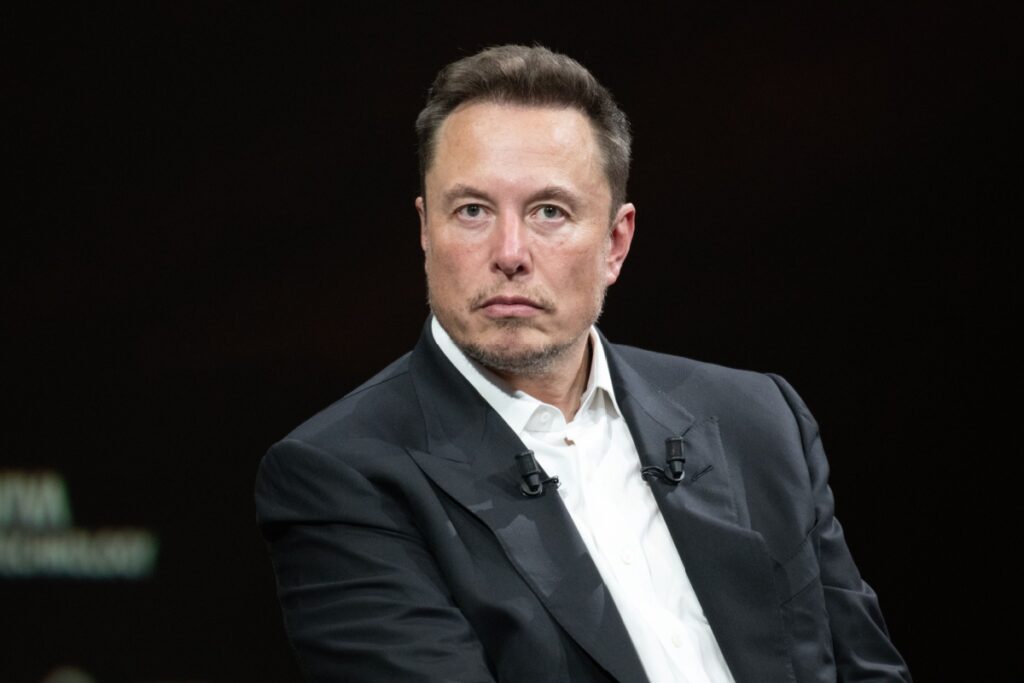
French prosecutors summoned technology entrepreneur Elon Musk for questioning in Paris as part of an expanding investigation into his social media platform, X (formerly Twitter). The summons formed part of a long-running cybercrime inquiry that began in January 2025, initially focused on the platform’s algorithms and the handling of user data.
Authorities later widened the investigation to include allegations that X facilitated the spread of illegal content, including sexualized deepfakes and other harmful material produced using the company’s artificial intelligence chatbot, Grok. Prosecutors are examining whether the platform’s systems enabled or failed to prevent the distribution of such material.
The summons followed earlier enforcement actions. In February 2026, investigators searched X’s Paris offices as part of efforts to gather evidence related to the alleged offenses. Officials indicated that questioning Musk and other executives was intended to clarify the company’s operational practices and its compliance with French laws governing digital content and platform responsibility.
While attendance at the interview was described as mandatory under French procedure, authorities acknowledged that they currently lack the legal authority to compel Musk to appear in person.
Allegations Focus on AI-Generated Content
Central to the investigation are concerns about artificial intelligence tools integrated into the platform. Prosecutors have cited reports that Grok was capable of producing offensive or unlawful material, including manipulated images and misinformation content. Authorities are reviewing whether technical safeguards were sufficient to prevent misuse.
The probe also examines whether algorithmic design choices influenced the spread of harmful or misleading information. Early phases of the inquiry considered whether automated systems might have affected public discourse in France or contributed to unlawful online activity.
Officials have further explored whether platform operations may have violated multiple laws, including those addressing data misuse, illegal imagery, and automated system manipulation. Investigators have stated that the scope of the case now extends beyond content moderation concerns to include possible financial and regulatory issues connected to corporate activities.
Representatives for X have rejected the allegations, describing the investigation as politically motivated and asserting that the company complies with applicable legal standards. Previous public statements from Musk characterized enforcement actions as unjustified and warned against excessive regulatory pressure on technology firms.
Growing Tensions Between European and U.S. Authorities
The investigation has drawn international attention, particularly due to differences between European and U.S. regulatory approaches to technology companies. French authorities have sought cooperation from U.S. institutions during the inquiry, but reports indicate that American officials declined to assist, citing concerns that the case could conflict with constitutional protections related to free expression.
This development has highlighted broader disagreements over digital governance. European regulators have increasingly emphasized platform accountability and consumer protection, while U.S. agencies have often focused on safeguarding speech rights and limiting government intervention in technology operations.
Beyond France, regulators in other jurisdictions have launched parallel inquiries into similar issues involving artificial intelligence systems and content moderation. These investigations reflect mounting global scrutiny of social media companies and the technologies they deploy.
Analysts note that such cases carry implications not only for legal compliance but also for corporate strategy. Companies operating across multiple regions face complex regulatory environments that can influence expansion plans, investment decisions, and technological development timelines.
Potential Business Impact and Industry Response
The investigation has raised concerns across the technology sector about regulatory risk and reputational exposure. Firms that rely heavily on automated systems are under increasing pressure to demonstrate responsible AI development and stronger oversight mechanisms.
Financial markets are closely monitoring the case due to its possible effects on companies associated with Musk’s broader technology portfolio. The inquiry includes scrutiny of corporate relationships and potential financial implications tied to future business initiatives, including large-scale technology partnerships and public listings.
Industry observers suggest that the case could shape how governments enforce digital safety standards, particularly as artificial intelligence tools become more widely integrated into consumer platforms. The outcome may influence how companies design safeguards, allocate compliance resources, and manage cross-border regulatory obligations.
As investigations continue, French prosecutors have indicated they intend to question additional employees and review further evidence gathered during earlier searches. Officials have emphasized that the inquiry remains ongoing, with new developments expected as authorities analyze technical and financial documentation linked to the platform’s operations.
