


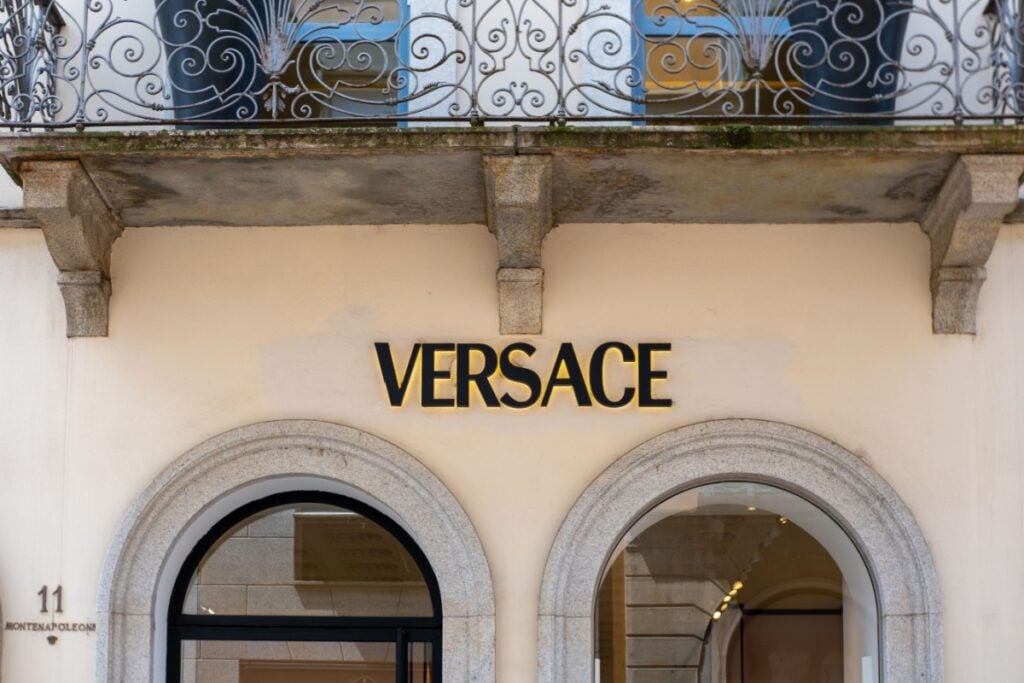
Italian prosecutors in Rome have ordered 13 luxury fashion houses to submit detailed records on their corporate governance, internal controls and audit systems as part of a widening investigation into alleged labor exploitation in the sector. Judicial documents seen by reporters show that the request focuses on possible abuse of Chinese workers employed in subcontracted workshops that manufacture goods for some of Italy’s best-known brands.
According to the documents, investigators are examining how these companies oversee their production chains and whether existing compliance systems were sufficient to detect or prevent abuses. The move marks the latest phase of an effort by Milan prosecutors to trace responsibility for working conditions along the complex network of small factories and workshops that support Italy’s high-end fashion industry.
Brands Linked Through Subcontractor Workshops
The request for information was sent to well-known labels including Dolce & Gabbana, Versace, Prada, Adidas Italy, Missoni, Ferragamo, Givenchy Italia, Alexander McQueen Italia, Gucci, Yves Saint Laurent Manifatture, Pinko, Coccinelle and Off-White Operating. The brands were identified after police inspections of workshops where authorities found documentation and products destined for their stores. None of the companies has publicly commented on the latest demands from prosecutors.
Investigators say earlier raids uncovered what they describe as “serious exploitation,” with Chinese-run factories supplying bags, shoes and other leather goods to major labels while allegedly paying workers below contractual rates and requiring very long shifts. In some recent cases reported by Italian media and officials, employees were said to be working for only a few euros an hour, sometimes sleeping inside the workshops themselves.
While the brands are not currently listed as criminal suspects, Milan’s prosecutor’s office has asked for extensive documentation on how management monitors subcontractors and what remedial steps were taken when irregularities were flagged. Prosecutors will use those materials to assess the level of knowledge and potential responsibility of the fashion houses, and to decide whether to seek further legal or administrative measures.
Part Of Wider Scrutiny Of Italian Fashion
The new demands come shortly after prosecutors placed luxury shoemaker Tod’s and three executives under investigation for suspected labor abuses linked to subcontracted workshops in Lombardy and the Marche region. In that case, Milan prosecutors also requested a six-month ban on the company’s advertising, arguing that the brand allegedly turned a blind eye to violations uncovered by third-party audits. Tod’s has denied wrongdoing and pledged to strengthen its supply-chain oversight.
In a separate episode earlier this year, Italian police reported that an unauthorized subcontractor near Florence was using Chinese workers to produce handbags and accessories for Giorgio Armani. Italy’s antitrust authority later fined the Giorgio Armani group 3.5 million euros for unfair commercial practices related to its leather-goods production chain, underscoring the reputational risks for luxury labels when abuses are discovered among suppliers.
Authorities say the latest probe is intended not only to address individual violations but also to protect the “Made in Italy” label, which relies heavily on claims of craftsmanship and quality. Industry Minister Adolfo Urso has said the government is working on a system of legal certification for fashion companies that meet strict standards on labor conditions and transparency across their supply chains.
Debate Over Supply-Chain Responsibility
The investigation has renewed debate over how far global brands must go to monitor subcontractors that operate several steps removed from their headquarters. Many luxury groups argue that they already use audits and codes of conduct to vet suppliers, but labor advocates say repeated cases of exploitation show that current oversight is inadequate when production is outsourced to small, hard-to-track workshops.
Under Italian law, companies can be held liable for crimes committed in their interest by third parties, including subcontractors, if prosecutors can show failures in corporate controls. That framework has already been used in earlier cases against fashion houses and could again come into play if the current probe uncovers systemic weaknesses.
For now, the 13 companies have been asked to hand over governance charters, risk-assessment reports, internal audit findings and any corrective plans adopted after previous inspections. Prosecutors are expected to review the material in the coming months as they determine whether the brands’ compliance systems were robust enough to prevent the exploitation of vulnerable migrant workers in Italy’s luxury supply chain.
