


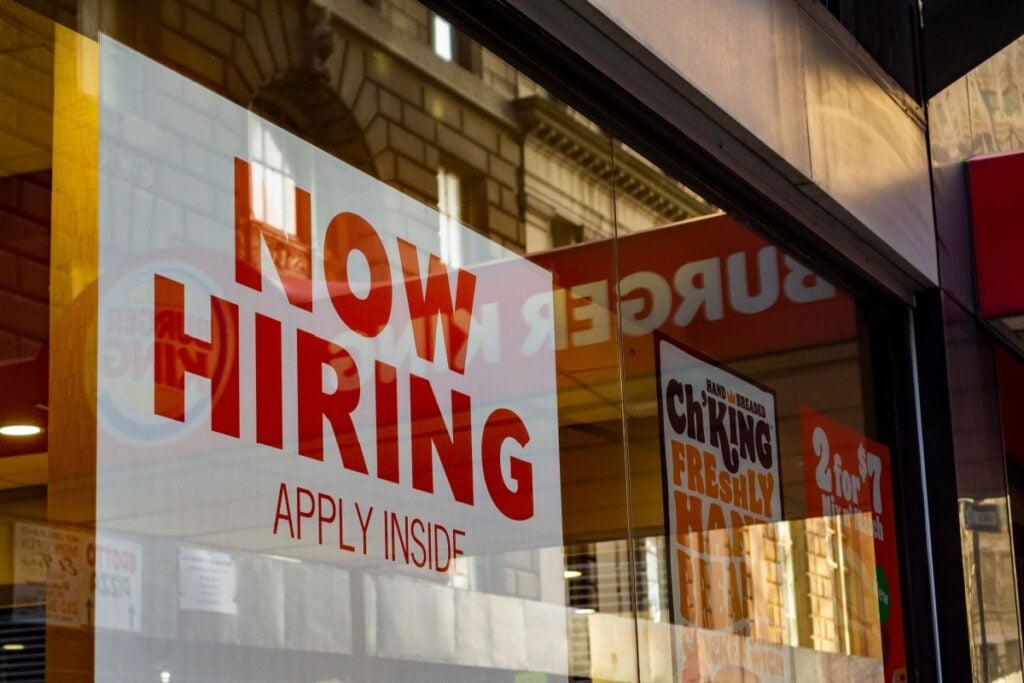
U.S. employers added 130,000 jobs in January, exceeding economists’ expectations even as the broader labor market has shown signs of cooling over recent months, according to the U.S. Labor Department. The unemployment rate edged down to 4.3% from 4.4% in December, supported by an increase in the number of people reporting they were employed and a decline in those counted as unemployed.
Wage growth also remained firm. Average hourly earnings rose 0.4% from December to January, a pace likely to be watched closely for clues about consumer spending power and the trajectory of inflation pressures.
Hiring strength was concentrated in health-related fields. Health care accounted for roughly 82,000 new jobs, more than 60% of the monthly gain, while factories added 5,000, ending a stretch of 13 consecutive months of losses in manufacturing payrolls. At the same time, the federal government shed 34,000 jobs.
Benchmark Revisions Reshape the Recent Job Picture
The jobs report came with sweeping revisions that substantially lowered prior estimates of employment growth. Annual benchmark updates, based on more comprehensive employer records reported to state unemployment agencies, reduced payroll counts by 898,000 for the year ending March 2025, the government said.
Separately, revisions to monthly estimates sharply cut the tally of jobs created in 2025. The government now estimates that last year saw just 181,000 jobs added, down from a previously reported 584,000, marking what officials described as the weakest year for job creation since the pandemic-era disruptions of 2020.
Those adjustments mean the apparent improvement in January comes after a period when the labor market was softer than earlier data suggested. Economists also flagged that seasonal adjustment factors can influence month-to-month comparisons, particularly around the turn of the year.
Layoffs, Openings, and Corporate Cutbacks Cloud the Outlook
Despite January’s headline gain, several indicators continue to point to caution among employers. Job openings fell to about 6.5 million in December, the lowest level in more than five years, according to the report’s cited data.
Private-sector hiring estimates from ADP also suggested a weak start to the year, with just 22,000 private jobs added in January, far below many forecasts.
Layoff announcements were elevated as well. Challenger, Gray & Christmas reported 108,435 planned job cuts in January, the highest January total since 2009. High-profile reductions included plans by UPS to cut 30,000 jobs, Dow to cut 4,500, and Amazon to reduce 16,000 corporate roles.
Rate-Cut Expectations Shift as Labor Supply Slows
Financial markets quickly recalibrated interest-rate expectations after the report. While the Federal Reserve has kept policy restrictive, investors have been debating when the first rate cut of the year might arrive. The payroll surprise reduced near-term expectations of an easing, with futures-implied odds of a cut at the April meeting dropping to below 19% from 36% the prior day, according to CME FedWatch.
The policy debate is complicated by the gap between strong output readings and uneven hiring. The report cited U.S. gross domestic product growth of 4.4% at an annual pace from July to September, following 3.8% growth from April through June, even as hiring momentum lagged. Some economists argue that growth could ultimately slow as a weaker labor market emerges; others point to productivity gains from automation and AI that could allow the economy to expand with fewer new workers.
Another factor is a slower-growing labor force. The report pointed to reduced labor-supply growth tied to immigration trends, which can lower the number of monthly jobs needed to keep unemployment steady, the so-called break-even level. Economist Anton Cheremukhin of the Federal Reserve Bank of Dallas estimated that the threshold fell from about 250,000 in 2023 to around 30,000 by mid-2025, while researchers at the Brookings Institution suggested it could be near 20,000 and still declining.
