


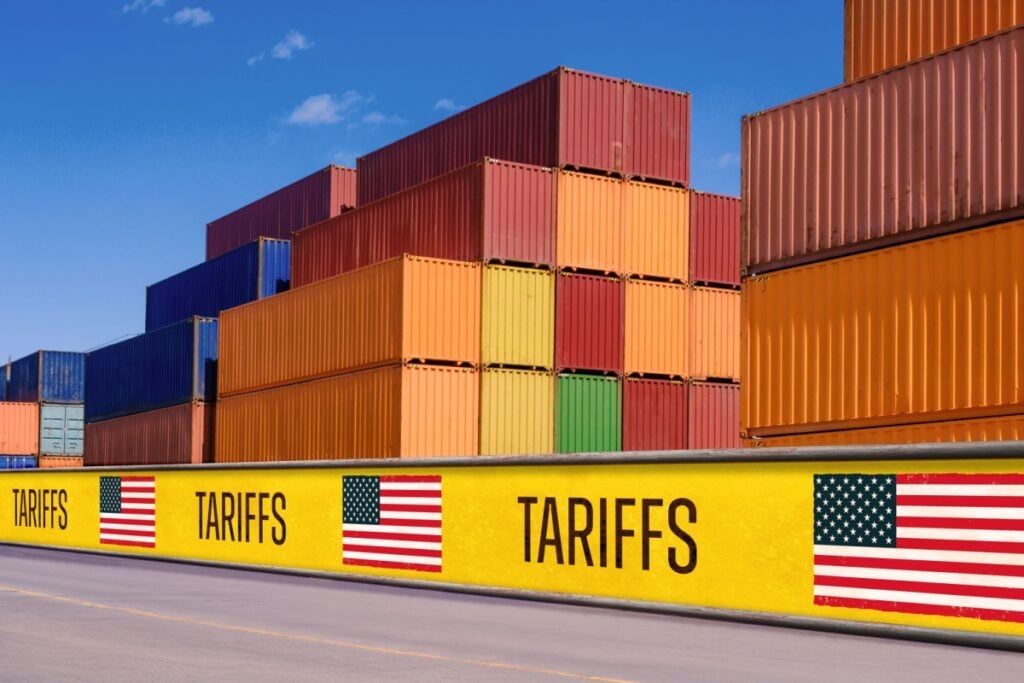
A federal trade court ruled that companies are due refunds for Trump-era tariffs, potentially leading to one of the largest U.S. government trade repayment efforts. This follows a Supreme Court decision invalidating a broad set of emergency import duties.
Judge Richard Eaton of the U.S. Court of International Trade said that “all importers of record” are eligible to benefit from the Supreme Court’s ruling, which struck down sweeping tariffs introduced by former President Donald Trump under the International Emergency Economic Powers Act (IEEPA).
The tariffs, introduced as part of a broader trade policy initiative, imposed double-digit duties on a wide range of imported goods. However, the Supreme Court determined that the president had exceeded his authority by using an emergency powers statute to establish tariffs, a responsibility that the U.S. Constitution assigns to Congress.
As a result, companies that paid those tariffs may now seek reimbursement from the federal government. The decision marks a major turning point in ongoing legal battles over the policy and could affect thousands of businesses across multiple industries.
Billions Collected Under Disputed Trade Policy
The tariffs were introduced in April 2025, when the Trump administration declared a national emergency over the U.S. trade deficit and used the IEEPA law to impose sweeping duties on imports from many countries. The measure included a broad baseline tariff on foreign goods, along with higher “reciprocal” rates for major trading partners.
Over time, the policy generated enormous revenue for the federal government. By late 2025, more than $130 billion had been collected under the tariffs. Economic analysts estimate that the total amount potentially eligible for repayment could reach $175 billion, depending on how the courts ultimately interpret the refund requirements.
The Supreme Court ruled earlier this year that those tariffs lacked a legal foundation. While the justices found the duties unconstitutional, they did not specify how businesses should be compensated. That gap left the issue to be resolved by lower courts and administrative agencies.
Judge Eaton’s ruling now provides the first clear directive on how the refund process may proceed.
Customs Faces Complex Administrative Challenge
The decision instructs U.S. Customs and Border Protection (CBP) to begin recalculating import duties without the invalidated tariffs and to refund the excess payments to companies that were charged them.
The scale of the task presents a significant logistical challenge. Officials say the refund process could require reviewing tens of millions of import records, many of which were processed through automated systems that were not designed to handle mass repayments.
Trade lawyers note that while customs authorities regularly issue refunds when tariff errors occur, the current situation is unprecedented. The agency must determine which import entries remain legally open, calculate the amounts owed to each importer, and, if applicable, add interest to the repayments.
The court has also begun consolidating a growing number of lawsuits connected to the issue. More than 2,000 cases have been filed by companies seeking reimbursement after paying tariffs that courts later declared unlawful.
Judge Eaton has indicated he prefers to create a streamlined process rather than rule separately on each claim, an approach intended to accelerate the repayment effort.
Businesses Monitor Impact on Trade and Prices
The prospect of large refunds has drawn attention across the business community, particularly among companies heavily involved in international trade. Manufacturers, retailers, and logistics firms were among those most affected by the tariffs.
Some companies have already signaled how they may handle potential repayments. Shipping giant FedEx, for example, has said it plans to return any refund it receives to customers who originally paid the tariff-related charges on shipments.
Economists and trade analysts say the financial implications could extend beyond corporate balance sheets. Repayments on the scale being discussed would create a substantial liability for the federal government while potentially improving cash flow for affected importers.
At the same time, policymakers continue to debate the future of U.S. tariff policy. Even after the Supreme Court ruling, the administration has explored alternative legal mechanisms that could allow tariffs to be imposed through different statutes or congressional action.
As the courts and federal agencies work through the details, businesses involved in global trade are closely tracking how quickly the refund system will be implemented and whether further appeals or legislative changes could reshape the outcome.
