


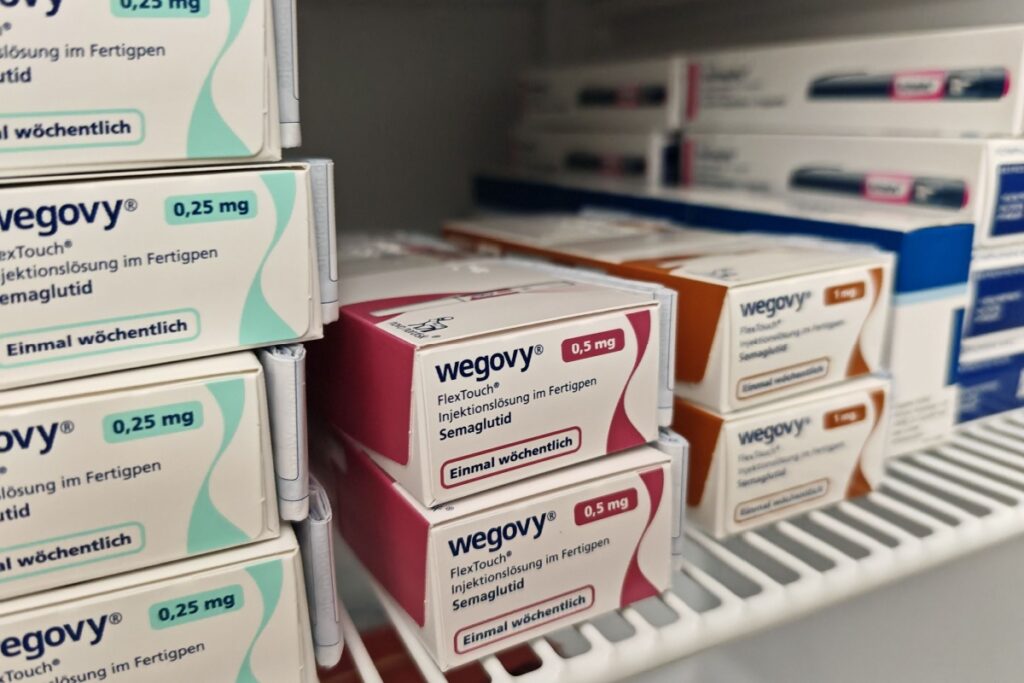
Danish drugmaker Novo Nordisk is trimming the out-of-pocket price of its blockbuster obesity drug Wegovy, but specialists warn that the treatment will remain financially out of reach for many patients without strong insurance coverage. The company has begun selling higher-dose injections of Wegovy to cash-paying U.S. customers for $349 per month, down from $499, in line with a drug-pricing deal negotiated with the Trump administration to cap monthly patient costs for selected medicines.
Alongside the permanent cut, Novo Nordisk has launched a promotional offer aimed at patients starting therapy. For the first two months on the lowest doses of Wegovy and its diabetes counterpart Ozempic, eligible cash-paying users can obtain each drug for $199 per month through major pharmacy chains, home-delivery programs and telehealth partners such as Costco and GoodRx. The discounts build on earlier schemes offered through the company’s NovoCare pharmacy as it tries to counter public anger over list prices that can top $1,000 a month before rebates.
Rivalry With Eli Lilly Intensifies On Pricing
The move adds fresh pressure on U.S. rival Eli Lilly, whose obesity drug Zepbound competes directly with Wegovy in the fast-growing market for GLP-1 weight-loss injections. Eli Lilly has said it will sell a starter dose of Zepbound for $299 per month, with higher maintenance doses priced up to $449 under a self-pay program, roughly $50 cheaper than earlier cash prices on the company’s LillyDirect platform.
Lower self-pay prices are emerging just as regulators declare an end to the acute shortages that previously plagued GLP-1 drugs. During the shortage period, compounding pharmacies were allowed to make cheaper, off-brand versions of semaglutide- and tirzepatide-based medicines. With official supplies now improving, those gray-market options are expected to wind down, making company discount programs a key factor in what uninsured patients actually pay. Trials show that drugs such as Wegovy and Zepbound can help patients lose around 15%–22% of their body weight by damping appetite and boosting feelings of fullness, powering a multibillion-US-dollar market.
High Out-Of-Pocket Costs Still Limit Access
Despite the headline-grabbing cuts, doctors and patient advocates say a $349 monthly bill remains out of reach for many people who lack comprehensive coverage. In a recent KFF tracking poll, about half of adults who have taken GLP-1 medicines reported that the drugs were difficult to afford, including many with insurance, and some said cost forced them to stop treatment altogether.
Those findings highlight a widening divide between people whose employers or public programs cover obesity treatments and those who must rely on coupons or pay the full cash price. Many commercial plans still exclude drugs prescribed primarily for weight loss, and Medicare is barred by law from covering GLP-1s when used solely for obesity. Medicaid coverage varies by state, leaving access largely dependent on where patients live and which diagnoses they receive. For individuals with obesity-related conditions such as type 2 diabetes or heart disease, clinicians say GLP-1 therapies can reduce hospitalizations and long-term complications, but only if patients can stay on the medicines for years.
Policy Deals And Future Pills Shape The Market
The new Wegovy prices are tied to a broader federal agreement. Under terms championed by the Trump administration, manufacturers have pledged to make GLP-1 drugs available to some public programs and self-pay patients at set maximum prices, with injectable obesity treatments capped around $349 per month and future pill formulations expected to be cheaper. Policy makers hope these ceilings, combined with negotiated rebates, will make it easier for programs such as Medicare and Medicaid to cover the medicines for high-risk patients.
From next year, expansions in coverage are expected to open GLP-1 access to tens of millions of additional Americans, including some Medicare beneficiaries who could qualify for $50 monthly co-payments. Novo Nordisk has estimated that as many as 40 million people may gain some form of coverage as new rules take effect, although the impact will depend on final regulations and how individual plans respond. At the same time, drugmakers are preparing a new wave of oral GLP-1 medicines. Novo Nordisk has told investors it intends to go “all in” on an oral version of Wegovy, while Eli Lilly advances its own next-generation obesity treatments — developments that could broaden patient choice but also keep pressure on companies to prove that headline price cuts translate into genuine affordability.
