


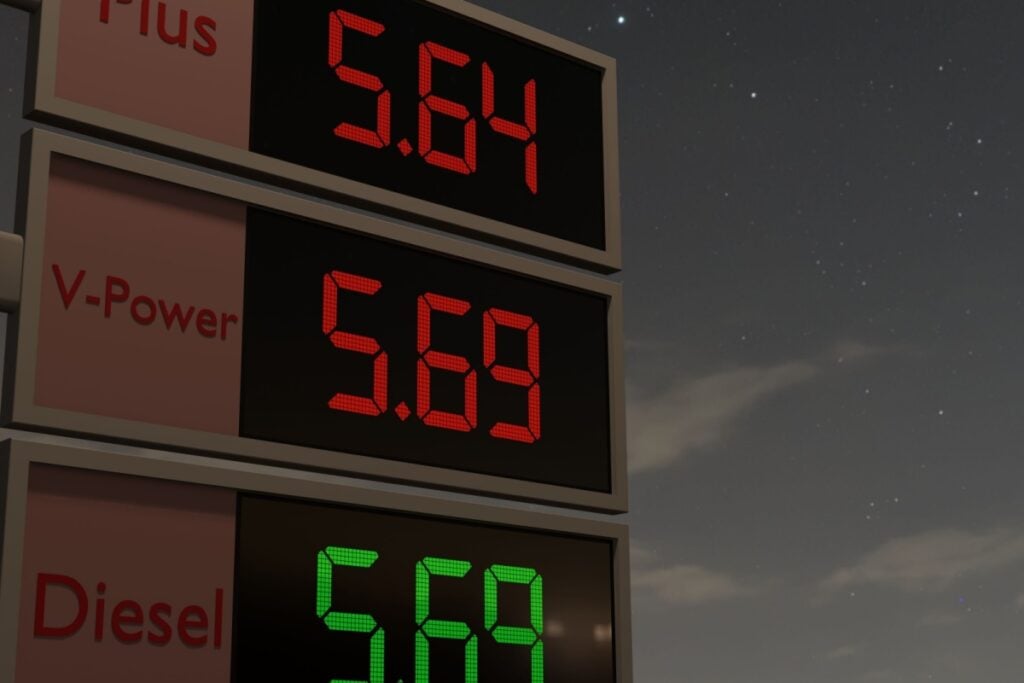
Global oil and gasoline prices have continued to climb as geopolitical tensions disrupt supply chains and strain energy markets. Governments and industry leaders are struggling to contain the impact as the conflict involving Iran interrupts one of the world’s most important oil transit routes.
Much of the volatility centers on the Strait of Hormuz, a narrow shipping corridor through which roughly 20% of the world’s oil and natural gas normally passes. Disruptions to traffic in this region have sharply reduced shipments, sending oil prices upward and increasing uncertainty across international markets.
As crude oil prices rise, the effects ripple through the broader economy. Refiners, distributors, and retailers often face delays in adjusting to new supply costs, meaning consumers may experience prolonged increases in fuel prices even after global oil markets stabilize. Fuel prices at retail stations typically lag behind changes in crude oil markets, sometimes taking weeks to reflect new trends.
Policy measures designed to ease shortages, including releasing strategic oil reserves and adjusting sanctions, have provided limited relief. Analysts warn that short-term responses may not be sufficient to stabilize prices if supply disruptions continue for extended periods.
Sanctions Policy and Market Reactions
Government decisions related to sanctions have played a central role in shaping oil supply and pricing trends. In response to tightening global markets, the United States has temporarily eased restrictions on oil shipments from sanctioned producers to increase available supply.
These policy changes reflect mounting concerns about the global economic consequences of sustained high energy prices. In recent weeks, authorities have allowed certain transactions involving Russian oil shipments, citing the need to reduce upward pressure on crude prices and prevent further market instability.
Financial markets have responded quickly to these developments. Energy prices have fluctuated sharply, reflecting uncertainty about both geopolitical developments and government interventions. Analysts note that even small changes in sanctions policy can influence global supply expectations, leading to sudden swings in oil prices.
Meanwhile, diplomatic efforts to encourage alternative production sources have expanded. Some governments have opened discussions with countries holding large untapped reserves, seeking to diversify supply routes and reduce reliance on regions affected by conflict. These efforts underscore how sanctions policies have become closely tied to broader strategies for stabilizing energy markets.
Consumers and Businesses Face Rising Costs
Higher oil prices have translated into noticeable increases at fuel pumps worldwide, affecting both households and businesses. In several markets, gasoline prices have approached or exceeded levels not seen in years, adding pressure to consumers already facing higher living costs.
Economists warn that rising energy prices directly contribute to inflation because fuel costs affect transportation, manufacturing, and agricultural production. As oil prices increase, companies often pass those costs on to customers, raising prices for goods and services across multiple industries.
Consumers in many countries have reported difficulty keeping pace with rising fuel costs. Transportation workers and small business owners have been particularly affected, as fuel costs account for a large share of their operating budgets. For some households, higher gasoline prices have compounded financial strain caused by stagnant wages and rising living expenses.
Central banks are closely monitoring the situation, as sustained increases in energy costs could slow economic growth. Some financial leaders have warned that continued volatility in oil markets may prolong inflationary pressures and delay interest rate reductions.
Governments Seek Long-Term Stability
Authorities around the world are exploring long-term strategies to manage the effects of volatile oil prices. These efforts include increasing domestic production, expanding strategic reserves, and investing in alternative energy sources.
Several countries have introduced temporary measures designed to shield consumers from sudden price increases. These policies range from adjusting fuel taxes to limiting the pace of retail price increases, allowing economies to absorb shocks more gradually. In some regions, governments have also subsidized fuel purchases or provided financial support to industries heavily dependent on transportation.
At the same time, energy analysts emphasize the importance of diversification in global supply chains. Countries that rely heavily on imported fuel are particularly vulnerable to supply disruptions, making alternative sourcing agreements a priority. As new production agreements and infrastructure projects move forward, policymakers hope to reduce dependence on unstable supply routes.
Financial markets remain sensitive to developments in the conflict and related diplomatic negotiations. Continued uncertainty surrounding global oil flows has kept energy prices elevated, reinforcing concerns about inflation and economic stability in the months ahead.
