


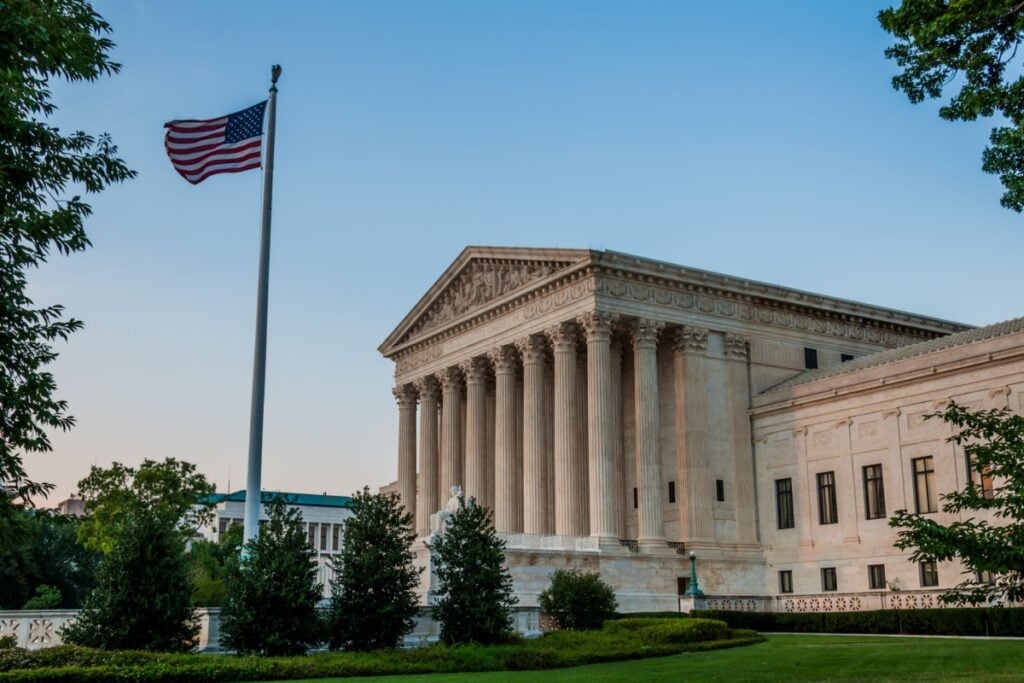
The U.S. Supreme Court has announced that it will hear a significant legal challenge brought by major oil and gas companies seeking to block climate change-related lawsuits filed by state and local governments across the country. The case, arising from Boulder, Colorado, involves claims that fossil fuel firms misled the public about the environmental impact of their products and seeks financial compensation for climate-related damages.
In agreeing to take up the case, the Supreme Court will review an appeal from ExxonMobil and Suncor Energy following a decision last year by the Colorado Supreme Court that allowed Boulder and Boulder County to pursue claims under state law. The companies argue that federal statutes, notably the Clean Air Act, should preempt such state-level litigation and that the matter belongs in federal courts.
The Boulder lawsuit, originally filed in 2018, asserts that the companies should help cover billions in costs linked to infrastructure repairs, emergency response, and environmental restoration in the face of rising temperatures and more frequent extreme weather events. Local officials contend that without corporate accountability, these financial burdens fall on taxpayers rather than the firms responsible for decades of fossil fuel production.
Broader Legal Context And Competing Litigation
The Supreme Court’s decision to hear this case comes amid a wave of climate-related litigation in the United States and globally. Governments, municipalities, and advocacy groups have brought dozens of lawsuits against fossil fuel companies, alleging that deceptive practices and contributions to greenhouse gas emissions have caused significant societal harm.
In the U.S., jurisdictions including California, Hawaii, and New Jersey have pursued similar claims seeking compensation for climate impacts. In some instances, state supreme courts have allowed proceedings to continue, while other federal courts have dismissed cases on jurisdictional or procedural grounds.
The issue of jurisdiction, whether state courts can impose liability for climate-related harms or whether federal law must control, remains at the heart of much of this litigation. Legal experts note that the Supreme Court’s ruling could have far-reaching consequences, potentially influencing the viability of climate accountability cases nationwide and clarifying the interplay between federal environmental statutes and state tort claims.
Arguments And Positions From the Parties Involved
In their appeal, ExxonMobil and Suncor contend that allowing state courts to entertain climate liability claims undermines a uniform national regulatory framework and risks inconsistent outcomes across jurisdictions. The companies assert that core aspects of climate regulation are governed by federal law and that state actions could conflict with national policy.
Boulder officials and their legal representatives argue that the economic and social costs of climate change are already being felt at the local level, and that holding companies accountable in court reflects a legitimate pursuit of redress. They maintain that fossil fuel producers were aware of the environmental consequences of burning fossil fuels, yet continued to emphasize profits while downplaying risks.
The Supreme Court has also asked the parties to address whether the appeal is appropriate for review at this early stage of the legal process, a procedural issue that could shape the scope of the hearing when arguments begin this fall.
Implications For Climate Policy And Future Cases
Observers say the Supreme Court’s involvement in this case highlights the evolving role of the judiciary in shaping climate policy, particularly as legislative efforts to address global warming have made limited progress in Congress. Some legal analysts suggest that a ruling in favor of the oil and gas companies could slow or halt several pending lawsuits with similar claims, while a decision upholding the Boulder case might encourage additional actions.
This development also comes amid other legal challenges to federal climate policy, including recent lawsuits against the Environmental Protection Agency (EPA) over the rollback of longstanding climate protections. Such parallel litigation underscores a broader legal battleground over how climate change is regulated, who bears responsibility for damages, and how rights and responsibilities are allocated among governments, corporations, and the public.
