


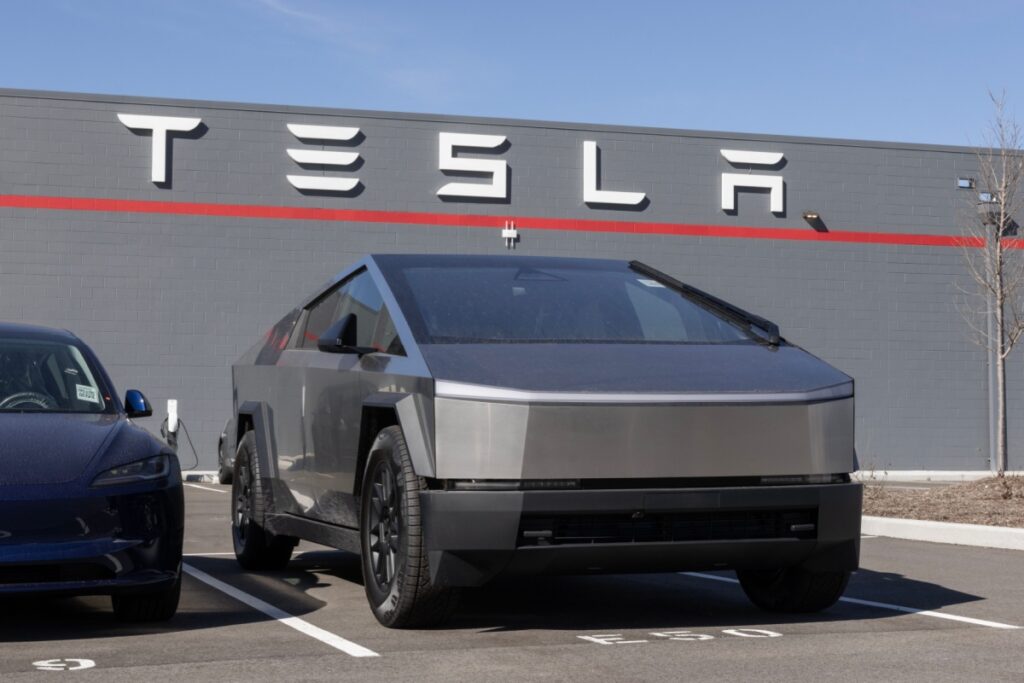
Tesla said it delivered 1.64 million vehicles in 2025, a 9% decline from the prior year, and the drop was enough to end its run as the world’s best-selling maker of battery-electric vehicles. Chinese rival BYD reported 2.26 million electric-vehicle sales in the same period, moving ahead of Tesla in the global EV tally.
The shift is notable given how strongly Tesla’s earlier growth reshaped the auto industry’s timeline for electrification. The AP report described the result as a reversal for CEO Elon Musk, who once dismissed BYD as a serious threat while Tesla expanded quickly and helped make him the world’s richest person. The new ranking underscores how much scale and pricing power Chinese manufacturers have built, and how the global EV race has become more fragmented by region as buyers compare an expanding set of models.
Tax Credits, Politics and Rising Competition
Several headwinds converged on Tesla’s core car business in 2025. The AP report cited consumer backlash tied to Musk’s right-wing politics, intensifying overseas competition and shifting U.S. incentives as contributors to the second consecutive annual decline. In the United States, the report said Tesla’s fourth-quarter numbers were affected by the expiration of a $7,500 federal tax credit that was phased out by the Trump administration at the end of September.
The fourth-quarter snapshot showed the strain. Tesla reported 418,227 deliveries for the quarter, below the 440,000 analysts expected in a FactSet survey, according to the AP report. Even with that shortfall, the market reaction was muted: Tesla shares were up about 0.5% at $451.60 in early trading, and the stock finished 2025 with an approximate gain of 11%. The gap between deliveries and valuation reflects investors’ continued willingness to price Tesla for growth in areas beyond traditional auto manufacturing.
Lower-Priced Models Seek to Lift Volume
Tesla has responded to softer demand by trying to broaden its price ladder. The AP report said the fourth quarter was the first period that included deliveries of stripped-down versions of the Model Y and Model 3, which Musk unveiled in early October as part of an effort to revive sales. The lower-cost Model Y was priced at just under $40,000, while customers could buy the cheaper Model 3 for under $37,000.
Those adjustments are aimed in part at markets where Chinese brands have grown quickly by combining lower prices with frequent model updates. Tesla’s challenge is not only volume but also profitability, as pricing pressure can squeeze margins even when unit sales stabilize. Analysts cited in the AP report were looking ahead to Tesla’s next earnings release, expected in late January, and projected a roughly 3% decline in sales and a nearly 40% drop in earnings per share for the quarter. The same estimates anticipated that the longer-running slide in sales and profits could begin to reverse as 2026 progresses.
Investors Focus on Robotaxis, Robots and Musk Pay
While the delivery numbers have weakened, Tesla’s investor narrative has increasingly centered on initiatives beyond conventional vehicle sales. The AP report said investors have largely “shrugged off” the falling totals and focused on Musk’s push into a planned robotaxi service, the company’s energy-storage business and the development of humanoid robots intended to perform basic tasks in homes and offices. In the report’s account, Musk has argued that future growth will come from these areas even if vehicle demand remains uneven.
That longer-term bet has also influenced executive compensation. The AP report said Tesla’s directors awarded Musk a potentially large new pay package that shareholders backed at the annual meeting in November. It also noted that the Delaware Supreme Court reversed a decision that had blocked a $55 billion compensation package Tesla granted Musk in 2018, restoring a deal that has drawn attention well beyond the auto industry. With deliveries down and competition rising, Tesla’s next milestones are likely to be judged not only by vehicle counts, but also by how quickly it can translate its technology ambitions into revenue.
