


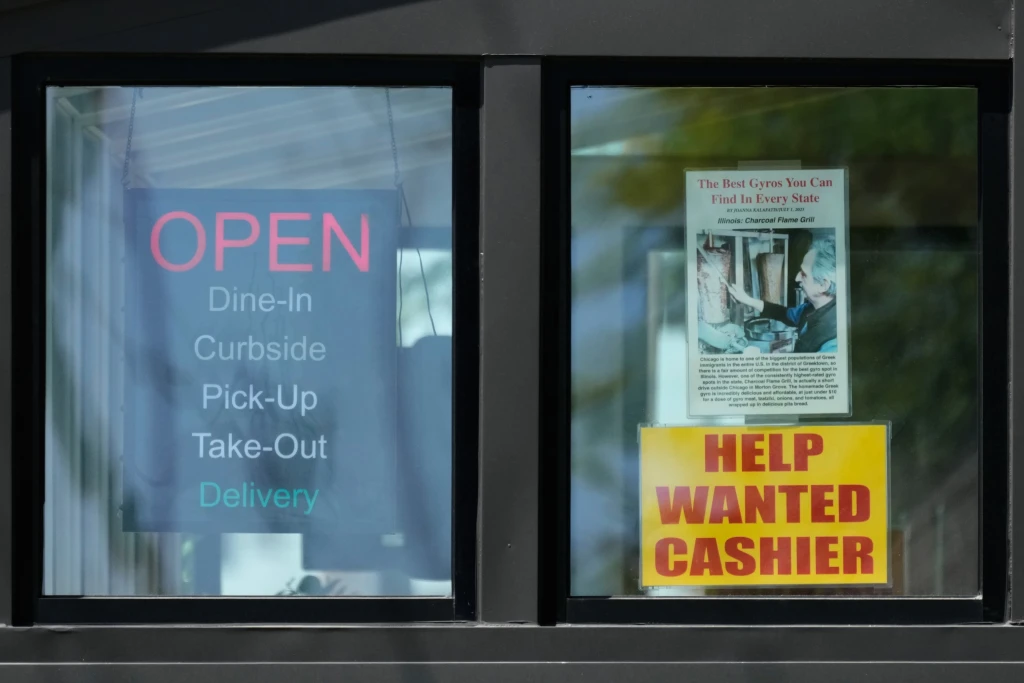
Labor Market Holds Steady Despite Global Economic Pressure
The number of Americans filing for unemployment benefits increased slightly last week, but layoffs across the United States remain historically low even as the Iran war fuels economic uncertainty and rising energy prices. New data from the U.S. Labor Department showed jobless claims climbed to 215,000, up from 210,000 the previous week, signaling a labor market that continues to show resilience despite mounting geopolitical tensions.
Economists say the increase is relatively minor and does not yet indicate serious weakness in the broader employment market. However, concerns are growing that higher fuel costs and global supply disruptions linked to the conflict in the Middle East could eventually weigh on hiring, consumer spending, and business confidence.
A Small Increase That Isn’t Raising Alarm Bells
The Labor Department reported Thursday that the four-week moving average of unemployment claims, which helps smooth weekly fluctuations, rose by nearly 6,300 to 209,000.
Despite the increase, economists emphasized that layoffs remain extremely limited by historical standards.
“Initial claims are still impressively low, near historic lows,” Carl Weinberg, chief economist at High Frequency Economics, wrote in a commentary. “The uptick from last week to this week is trivial in a labor market of 159 million workers.″
Since recovering from the pandemic recession in 2020, weekly unemployment claims have mostly remained between 200,000 and 250,000, a range viewed by economists as a sign of a stable labor market.
The total number of Americans collecting unemployment benefits also rose modestly, increasing by 15,000 to 1.79 million for the week ending May 16.
Hiring Slows Even as Layoffs Stay Low
Although companies are not cutting large numbers of jobs, many employers are also hesitant to expand hiring aggressively.
Last year, businesses, nonprofits, and government agencies added fewer than 10,000 jobs per month on average, marking the weakest hiring pace outside of recession years since 2002.
Hiring has improved slightly in 2026, with employers adding an average of 76,000 jobs monthly between January and April. Still, that remains well below the average gains of 122,000 jobs per month seen in 2024 and far below the nearly 400,000 monthly jobs added from 2021 through 2023 during the post-pandemic recovery surge.
Economists note that the labor market now requires fewer monthly job additions to maintain stability because of demographic and immigration changes.
Immigration Crackdown and Retirements Reshape Workforce
President Donald Trump’s immigration crackdown, combined with ongoing retirements among Baby Boomers, has reduced the number of workers entering or remaining in the labor force.
As a result, economists believe the so-called “break-even rate” for job creation — the number of new jobs needed each month to prevent unemployment from rising — may now be close to zero.
Even with slower hiring activity, the unemployment rate has remained relatively healthy. The national unemployment rate stood at 4.3% in April, remaining low compared with long-term historical averages.
This unusual balance has allowed the labor market to stay stable even while economic growth slows.
Iran War Sends Energy Prices Soaring
The growing conflict involving Iran, the United States, and Israel has added significant uncertainty to the economic outlook.
Iran escalated tensions by closing the Strait of Hormuz, one of the world’s most critical oil shipping routes. Roughly one-fifth of global oil supplies pass through the waterway, and the disruption has triggered sharp increases in energy prices worldwide.
According to AAA, average U.S. gasoline prices surged to $4.43 per gallon, up dramatically from $2.98 before the conflict began.
The spike in fuel prices is expected to place additional pressure on consumers and businesses already facing elevated costs across multiple sectors of the economy.
Higher transportation and energy expenses could eventually reduce consumer spending, slow business investment, and weaken hiring momentum if the conflict continues.
Economic Resilience Faces New Tests Ahead
For now, the U.S. labor market continues to show resilience despite geopolitical turmoil and slowing hiring activity. Low layoffs suggest that employers remain cautious about letting workers go after years of labor shortages following the pandemic.
Still, economists warn that prolonged instability in global energy markets could create broader economic challenges in the months ahead. Rising fuel costs, inflation concerns, and slowing business activity may eventually test the durability of the labor market’s current strength.
While unemployment claims remain near historic lows, businesses and policymakers are closely monitoring whether the economic fallout from the Iran war begins to affect hiring decisions and overall economic confidence later this year.
