


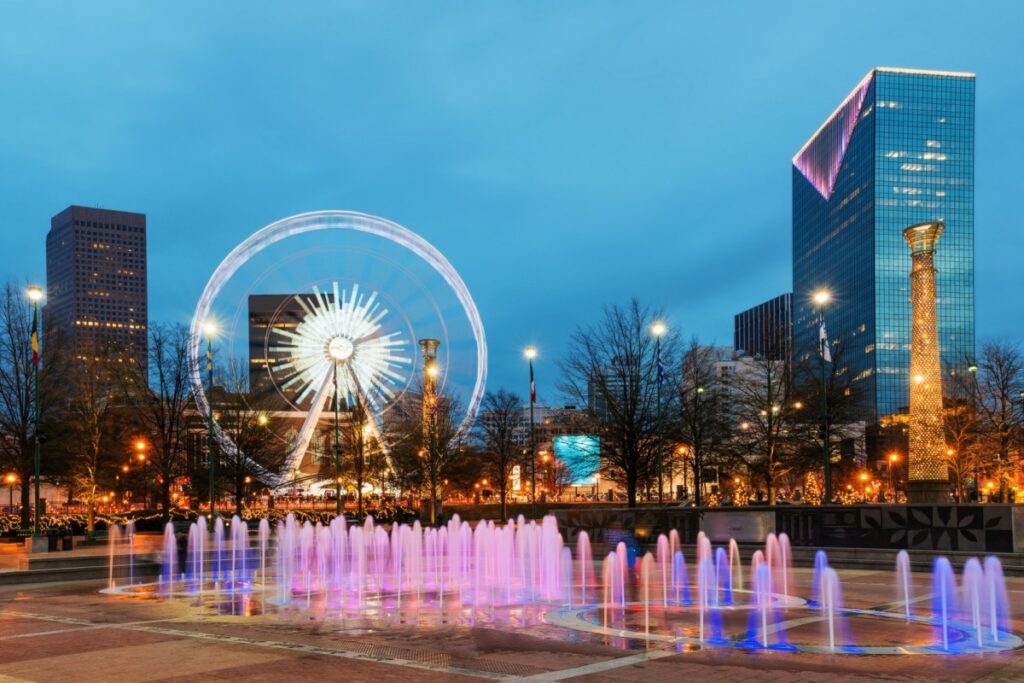
Cultural Hub Planned to Support World Cup Activities
City officials in Atlanta have announced plans to launch a new cultural venue designed to complement the city’s role as a host location for the 2026 FIFA World Cup. The initiative, known as the ATL Culture House, is intended to provide visitors with an immersive introduction to the city’s creative industries during the international tournament.
The project includes a space measuring approximately 23,000 square feet and capable of accommodating up to 2,000 visitors. It will be located in downtown Atlanta within The Center, a large venue expected to serve as a focal point for fans and visitors during the competition. City leaders have allocated roughly 500,000 dollars to support the creation of the facility, which is scheduled to operate throughout the month-long tournament.
Officials described the venue as a gathering point for visitors from across the globe who are expected to travel to Atlanta to attend World Cup matches. By offering a variety of cultural programs alongside the sporting schedule, the initiative seeks to broaden the city’s engagement with fans beyond stadium attendance.
Atlanta is one of several host cities selected for the 2026 FIFA World Cup, which will feature matches across the United States, Canada, and Mexico. The tournament is scheduled to include more than 100 games across multiple venues, reflecting the largest expansion in the competition’s history.
Programming to Highlight Local Arts and Community
The ATL Culture House is expected to feature a wide range of programming designed to highlight Atlanta’s creative and artistic sectors. Planned activities include live music performances, film screenings, workshops, youth programming, and discussions involving community leaders and artists.
Organizers indicated that programming will be partly developed through collaboration with local community groups. An open call for participation reportedly generated hundreds of proposals, suggesting strong interest from cultural organizations across the region.
The venue will host multiple scheduled events that align with the days when World Cup matches are played in the city. This approach aims to integrate cultural activities with sporting events, offering fans additional opportunities to engage with the city’s identity during their stay.
Officials emphasized that the initiative is intended to reinforce Atlanta’s reputation as a center for arts, music, and film. By showcasing local talent, the Culture House is expected to present an image of the city that extends beyond sports infrastructure and competition venues.
Atlanta’s Role in a Global Sporting Event
Atlanta is scheduled to host multiple matches during the 2026 FIFA World Cup, including group-stage games and later knockout-round contests. Matches will take place at Mercedes-Benz Stadium, one of the tournament’s major venues.
The city’s involvement in the World Cup places it among a group of international host locations chosen to stage the expanded tournament. FIFA confirmed that sixteen cities across North America will share hosting responsibilities, underscoring the global scale of the event.
Local officials view the Culture House as a supporting component of Atlanta’s broader preparation strategy. Alongside stadium operations and transportation planning, city leaders have sought to create spaces where visitors can gather outside official match venues.
In addition to sporting events, the World Cup is widely regarded as an opportunity to promote tourism and international engagement. Cities selected as hosts typically develop complementary attractions designed to encourage visitors to explore neighborhoods, cultural institutions, and local businesses.
Anticipated Impact on Visitors and City Identity
Organizers anticipate that the Culture House will play a role in shaping the overall visitor experience during the tournament. By offering programming that spans music, visual arts, and educational sessions, the venue is expected to serve as both an entertainment center and a cultural meeting point.
City representatives have framed the project as part of a broader effort to strengthen Atlanta’s international profile. Hosting World Cup matches is expected to draw thousands of fans from different regions, creating opportunities to introduce visitors to local traditions and creative communities.
The development also reflects a growing trend among host cities to expand the fan experience beyond stadiums. Cultural programming, fan festivals, and community events have become increasingly common during major tournaments as cities seek to enhance engagement and economic activity.
As preparations continue, the ATL Culture House is positioned to function as a central gathering place during one of the world’s most widely viewed sporting events. Its programming schedule will coincide with match days, offering visitors a consistent venue for cultural exploration alongside the tournament’s sporting competition.
