


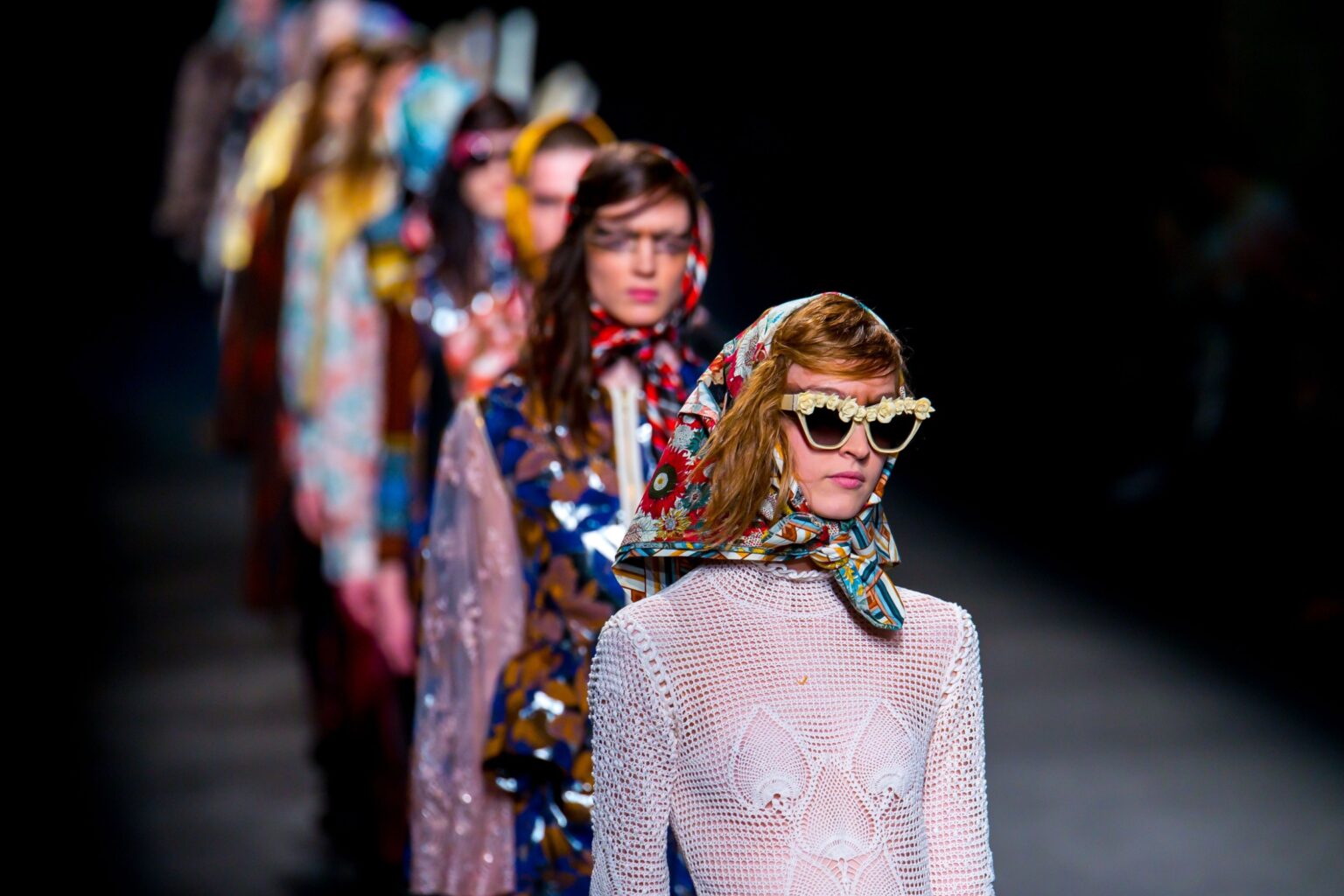
The latest edition of 080 Barcelona Fashion, held from April 14 to April 17, brought renewed attention to the city’s evolving creative scene, with dozens of designers presenting collections that emphasized experimentation and originality. The event, now in its 37th edition, featured 26 designers and brands, highlighting both established labels and emerging talents.
Coverage by fashion and culture publications described the atmosphere as deliberately unconventional compared with traditional fashion capitals such as Paris or Milan. Organizers have increasingly positioned Barcelona as a platform that values creative independence, allowing designers to combine artistic expression with commercial realities.
Publications attending the event emphasized that the week was not limited to showcasing clothing alone. Instead, the shows served as a broader cultural exchange, with identity, craftsmanship, and experimentation at the forefront. Designers drew on local heritage while also incorporating global influences, reflecting the city’s diverse cultural identity.
The event’s visibility continues to serve as a launchpad for emerging designers, enabling them to present new ideas to international audiences and buyers. This approach has helped Barcelona maintain a distinct voice within the wider European fashion calendar.
Bold Aesthetics and Concept-Driven Collections
Many of the collections presented at 080 Barcelona reflected a strong focus on narrative and concept-driven design. Designers explored themes ranging from social identity to sustainability, using garments as vehicles for storytelling rather than purely commercial objects.
Several prominent labels delivered collections marked by unconventional silhouettes, layered textures, and references to contemporary culture. Reports from fashion observers highlighted the emphasis on individuality, noting that designers sought to challenge uniform trends seen elsewhere in the industry.
Observers also pointed to the use of unexpected materials and construction methods, including recycled fabrics and organic textiles. This emphasis on material innovation aligns with a broader movement in European fashion that prioritizes environmental awareness and resource-conscious production.
Styling across the runway reflected an experimental spirit, blending structured tailoring with fluid forms. These design approaches reinforced Barcelona’s reputation as a city where fashion intersects with artistic disciplines such as performance and visual art.
Cultural Influence Extends Beyond the Runway
Beyond the runway shows, the event’s cultural footprint extended throughout the city, reinforcing Barcelona’s reputation as a center of creative exchange. Fashion week activities included installations, collaborations, and media coverage that connected designers with audiences outside the traditional fashion industry.
Cultural commentators noted that the event helps strengthen Barcelona’s global profile. By hosting large-scale creative gatherings, the city attracts designers, journalists, and buyers who contribute to its cultural economy and tourism sector.
Fashion coverage also highlighted the importance of storytelling in shaping the identity of participating brands. Designers frequently drew on historical references, personal experiences, or social commentary for inspiration in their collections. This narrative-driven approach has become a defining characteristic of Barcelona’s fashion scene.
The integration of music, performance, and digital media into presentations further reflected the shift toward immersive experiences. Rather than relying solely on traditional runway formats, some designers experimented with hybrid shows that combined visual storytelling with live elements.
Growing Recognition of Barcelona’s Global Role
The continued evolution of 080 Barcelona Fashion reflects broader changes within the global fashion industry. While cities such as Paris and Milan remain dominant, Barcelona has increasingly carved out a niche as a platform for innovation and emerging talent.
Industry analysts have noted that the event’s structure encourages experimentation without the rigid scheduling pressures seen in larger fashion capitals. This flexibility allows designers to focus on creativity while still engaging with commercial audiences.
Local support from cultural institutions and regional organizations has also contributed to the event’s longevity. By promoting collaboration between designers, artists, and industry professionals, Barcelona continues to expand its cultural reach beyond national borders.
Observers increasingly view the event as a reflection of changing priorities within fashion itself. Themes such as sustainability, diversity, and creative freedom are no longer peripheral ideas but central elements shaping how collections are developed and presented.
As Barcelona’s fashion week continues to evolve, its role within the global cultural landscape appears set to grow, driven by a steady influx of new talent and an ongoing commitment to creative exploration.
