

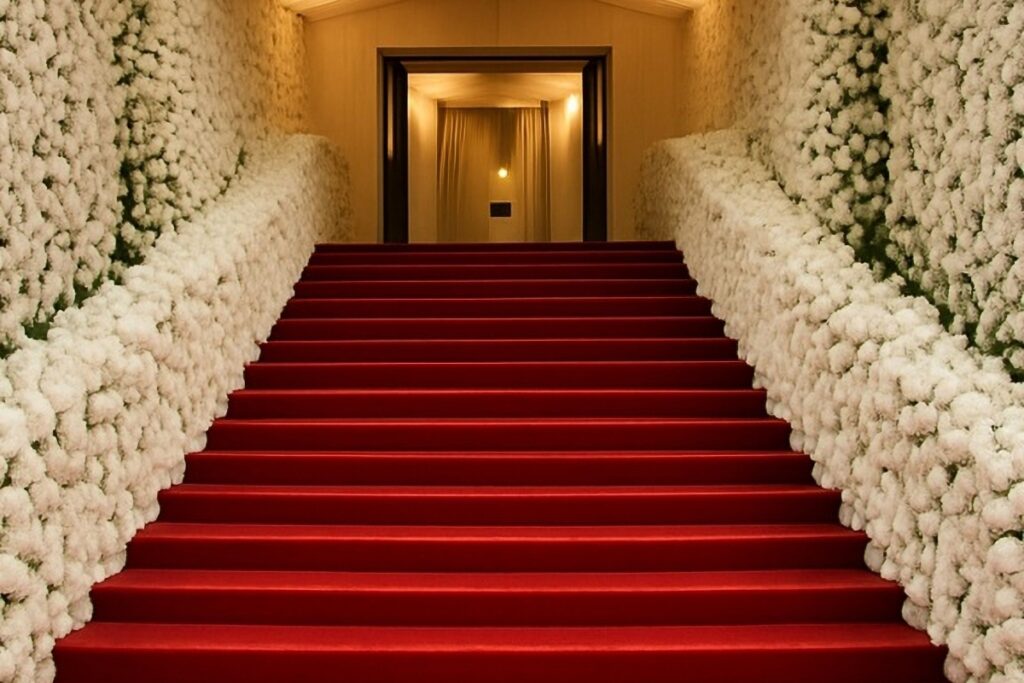
The 2026 Met Gala once again transformed the steps of the Metropolitan Museum of Art into fashion’s biggest global stage, with celebrities embracing the “Costume Art” theme through dramatic silhouettes, sculptural designs, and theatrical interpretations. From living statues to cinematic gowns and avant-garde prosthetics, this year’s event sparked nonstop discussion across social media and fashion circles. Stars including Beyoncé, Rihanna, Anok Yai, Emma Chamberlain, and Lisa delivered some of the night’s most unforgettable moments, proving that the Met Gala remains one of the most influential nights in pop culture and fashion.
A Theme Built Around Fashion as Art
This year’s Met Gala theme, “Costume Art,” encouraged guests to blur the line between fashion, sculpture, performance, and visual storytelling. Rather than relying solely on glamour, many attendees leaned into artistic experimentation with elaborate textures, dramatic prosthetics, oversized structures, and historically inspired references.
Fashion critics praised the event for pushing creativity further than recent years, with many celebrities embracing the challenge rather than playing it safe. The gala also generated record-breaking engagement online and raised a reported $42 million for the Costume Institute.
Anok Yai’s Black Madonna Look Became the Night’s Standout
One of the most celebrated appearances of the evening came from Anok Yai, whose dramatic Black Madonna-inspired ensemble immediately became one of the most talked-about looks online.
Working alongside designer Pierpaolo Piccioli, Yai wore a hooded bronze-inspired bodycon dress enhanced with prosthetics that transformed her into what many described as a “living sculpture.” According to British Vogue, Yai explained the symbolism behind the look by saying, “In the climate that we’re living in right now, we need hope.”
The combination of religious iconography, sculptural makeup, and political undertones helped make her appearance one of the defining images of the night.
Emma Chamberlain Delivered a Walking Painting
Emma Chamberlain once again proved why she has become one of fashion’s most closely watched Met Gala attendees.
Her custom Mugler look, designed by Miguel Castro Freitas, appeared inspired by abstract expressionist artwork. Hand-painted details wrapped around the dress gave the illusion that paint was dripping from her body as she walked the carpet. The design referenced Thierry Mugler’s iconic butterfly dress from 1997 while modernizing it with artistic chaos and fluid movement.
Fashion commentators described the outfit as one of the best interpretations of the “Fashion Is Art” dress code because it felt simultaneously wearable and experimental.
Lisa and Sabrina Carpenter Brought Cinematic Drama
BLACKPINK star Lisa attracted attention with a futuristic Robert Wun creation featuring sculpted body forms inspired by traditional Thai dance. The design reportedly involved 3D scans of her arms to create a surreal visual effect that blended heritage with modern fashion technology.
Meanwhile, Sabrina Carpenter embraced old Hollywood glamour in a Dior gown decorated with rhinestone film strips inspired by the 1954 movie Sabrina. Tiny cinematic stills embedded into the fabric elevated the dress into a moving tribute to classic film history.
Both stars successfully turned storytelling into wearable art, which aligned perfectly with the event’s theme.
Beyoncé and Rihanna Returned With Major Fashion Moments
Few appearances generated more excitement than Beyoncé returning to the Met Gala spotlight. Fashion publications praised her dramatic Olivier Rousteing-designed look as one of the evening’s strongest examples of couture artistry.
Rihanna also drew enormous attention with a Maison Margiela ensemble that continued her long history of unforgettable Met Gala appearances. Critics noted that Rihanna once again balanced theatricality with elegance better than nearly anyone else on the carpet.
Their appearances helped reinforce the idea that veteran Met Gala attendees still know how to dominate fashion conversations.
Heidi Klum’s Marble Statue Transformation Shocked Viewers
Perhaps the boldest transformation of the night belonged to Heidi Klum, who arrived appearing almost entirely sculpted from marble.
Inspired by the 19th-century sculpture The Veiled Vestal, Klum worked with special effects artist Mike Marino to create a prosthetic-heavy look that reportedly took months of preparation and five hours to apply. She later admitted she was nervous about whether Met Gala organizer Anna Wintour would approve of the dramatic concept.
The result became one of the evening’s most viral images and demonstrated how far celebrities were willing to go to embody the “fashion as sculpture” concept.
Not Every Celebrity Won Over Critics
While many attendees earned praise, several stars also faced criticism for looks considered too safe or disconnected from the theme.
According to fashion reviewers, some celebrities failed to embrace the artistic direction of the evening, with critics singling out a few minimalist or unfinished designs as missed opportunities.
Still, even controversial outfits contributed to the night’s enormous social media conversation, which is part of what keeps the Met Gala culturally dominant year after year.
Social Media Turned the Gala Into a Global Event
The 2026 Met Gala shattered digital engagement records, proving the event has evolved far beyond a celebrity fundraiser.
According to Vogue, the gala generated nearly 1.7 billion global video views and over 108 million social media engagements worldwide. Livestream audiences also surged dramatically compared to previous years.
Platforms like TikTok, Instagram, and YouTube helped transform red carpet moments into instant viral content, with fans dissecting details, symbolism, and craftsmanship within minutes of each celebrity’s arrival.
The 2026 Met Gala delivered exactly what audiences expect from fashion’s biggest night: spectacle, creativity, controversy, and unforgettable visual storytelling. Whether through sculptural prosthetics, cinematic references, artistic paint effects, or cultural symbolism, celebrities embraced the “Costume Art” theme with far more ambition than many expected. As social media continues amplifying every detail from the red carpet, the Met Gala’s influence on fashion and pop culture only continues to grow stronger.
