


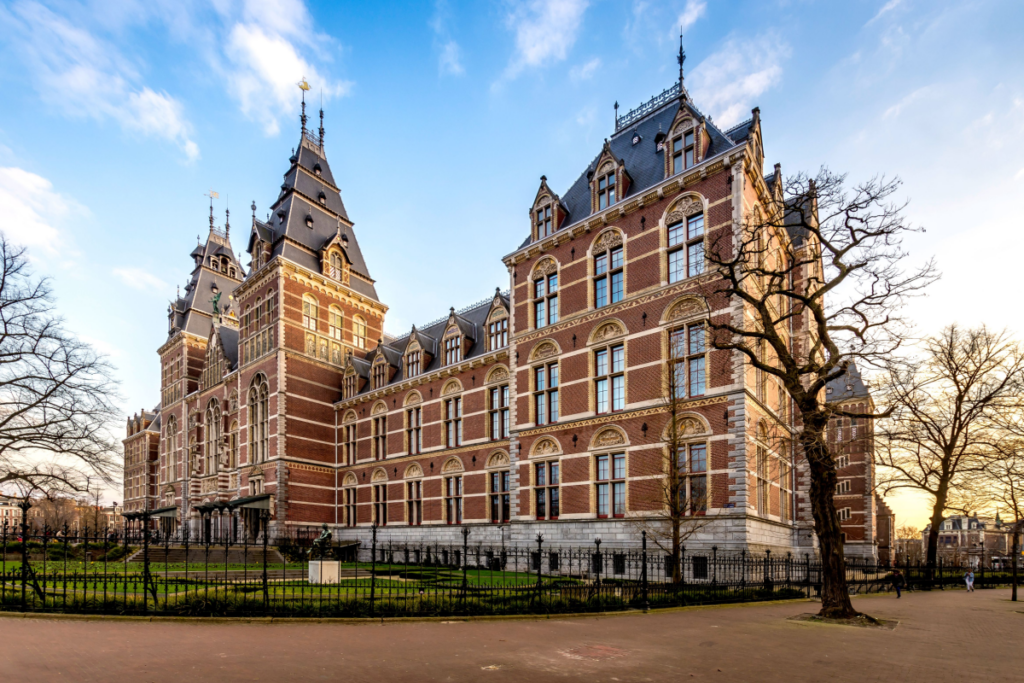
A New Cultural Landscape Beyond the Museum Walls
The Rijksmuseum is preparing a major expansion of its public presence by creating a large-scale sculpture garden that will extend the museum experience beyond its historic building. The new open-air complex, known as the Don Quixote Pavilion and Garden at the Rijksmuseum, will introduce a freely accessible cultural landscape in the heart of Amsterdam, combining modern and contemporary sculpture with landscape design and architectural reuse.
This initiative represents a significant shift in how the Rijksmuseum engages with the public. Instead of limiting encounters with art to interior galleries, the museum is opening a new space where visitors and residents can experience important works of twentieth-century sculpture in a natural setting. The garden is conceived as an international destination while remaining deeply connected to the everyday life of the city, offering art without barriers and without an admission fee during daytime hours.
Architecture, Landscape and Urban Integration
The sculpture garden will be located near the museum at the junction of Boerenwetering, Ruysdaelkade and Stadhouderskade, integrating existing structures and green areas into one continuous site. Three pavilions built in the Amsterdam School architectural style, previously closed to the public, will be transformed into exhibition spaces. Their architectural adaptation is being led by Foster + Partners, whose role focuses on preserving the historic character of the buildings while adapting them for contemporary use.
The surrounding landscape will be designed by Piet Blanckaert, who is shaping the garden as a calm and fluid environment that encourages slow movement and reflection. The project also incorporates the Carel Willinkplantsoen, connecting existing green spaces into a unified public park. Together, architecture and landscape design aim to create a seamless transition between city, nature and art, allowing sculptures to be encountered organically rather than in a traditional gallery sequence.
The garden will open primarily onto Stadhouderskade, with access arrangements coordinated with local residents and city authorities to ensure that the space functions harmoniously within the neighborhood. The result is intended to be both a cultural landmark and a welcoming urban refuge.
Modern Sculpture in a Public Setting
At the core of the project is an ambitious sculptural program featuring works by internationally renowned artists such as Alberto Giacometti, Louise Bourgeois, Alexander Calder, Jean Arp, Roni Horn and Henry Moore. Alongside these permanent or long-term installations, the garden will host a rotating program of temporary exhibitions, ensuring that the space remains dynamic and responsive over time.
The development is supported by a substantial contribution from the Don Quixote Foundation, which is not only funding the creation of the garden but also placing a significant group of sculptures on long-term loan with the museum. This strengthens the Rijksmuseum’s focus on twentieth-century sculpture and broadens the scope of its collection beyond its traditional strengths.
By presenting these works outdoors, the museum offers new ways of seeing sculpture, where changing light, weather and seasons become part of the viewing experience.
Ecology, Access and Civic Value
Beyond art and architecture, the sculpture garden is conceived as an ecological intervention within the city. Plans include the introduction of mature trees and a diverse range of native plants, contributing to urban biodiversity and improving environmental quality in a dense area of Amsterdam. The garden is designed as a place for pause and reflection, where cultural experience and natural surroundings reinforce each other.
City leaders have emphasized the civic importance of the project, highlighting its value for residents as well as visitors. By offering free daytime access, the garden lowers the threshold to cultural participation and reinforces the idea of art as a shared public good. The project aligns with broader urban goals of sustainability, inclusivity and high-quality public space.
As the Rijksmuseum looks beyond its walls, the sculpture garden signals a new phase in the institution’s evolution. It positions the museum not only as a guardian of national heritage, but as an active participant in shaping the cultural and ecological future of Amsterdam.
