


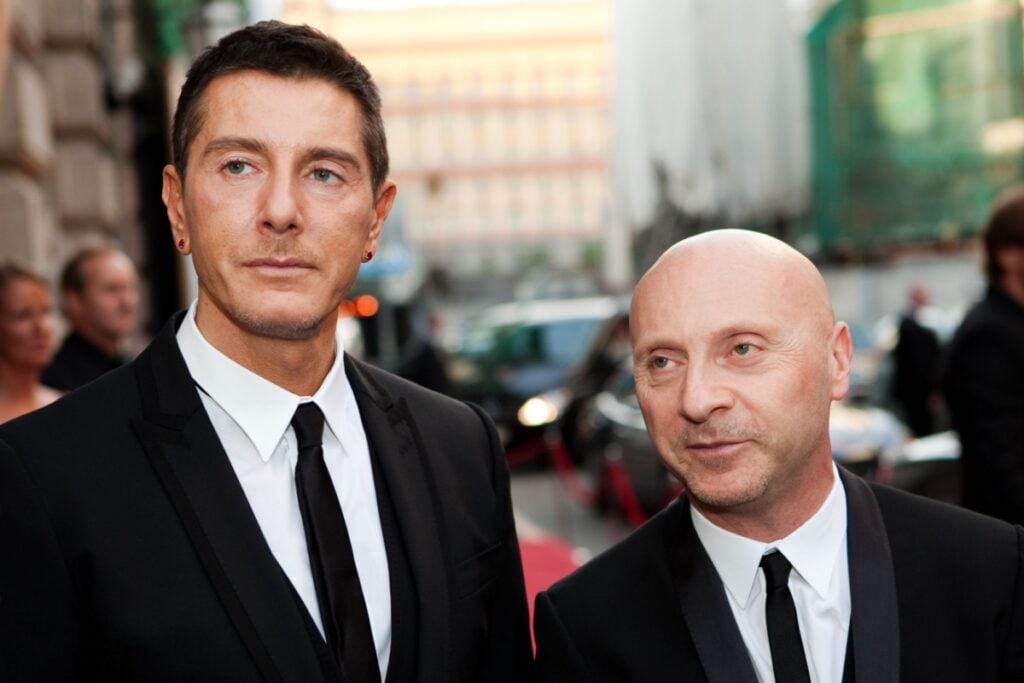
Italian luxury label Dolce & Gabbana has confirmed that co-founder Stefano Gabbana stepped down as chair at the beginning of the year, marking a significant leadership adjustment within one of the fashion world’s most recognizable brands. The change took effect on January 1, according to company disclosures, although Gabbana remains actively involved in the brand’s creative direction.
The fashion house described the resignation as part of an evolving governance structure rather than a shift in artistic leadership. Company representatives emphasized that Gabbana’s departure from the chair position would not affect his creative responsibilities. In a statement cited in reports, the company said the leadership transition “has no impact whatsoever” on the designer’s ongoing creative work for the group.
Founded in 1985 by Domenico Dolce and Stefano Gabbana, the Milan-based brand has built a global reputation for distinctive Italian luxury fashion. The label has long been associated with bold aesthetics, strong branding, and frequent visibility at major fashion weeks. Even as governance responsibilities shift, the founders continue to guide the brand’s artistic direction, a factor industry observers often view as essential to maintaining the brand’s identity.
Governance Restructuring and Management Transition
The resignation comes amid a broader reorganization of leadership roles within the company. Following Gabbana’s step-down, Alfonso Dolce, the brother of Domenico Dolce and the firm’s chief executive, assumed the chair role earlier this year. The transition signals an effort to streamline management responsibilities while keeping creative leadership within the founding circle.
Reports also indicate that additional leadership adjustments have accompanied the change. These developments reflect an organizational shift that aligns with evolving financial and strategic planning needs. Industry analysts note that luxury brands increasingly refine governance structures to adapt to international growth, shifting consumer expectations, and potential external partnerships.
In recent years, Dolce & Gabbana has explored possibilities that could alter its financial positioning, including discussions around minority investment or future market listing options. Although no final decisions have been announced, such considerations often require greater transparency and updated corporate structures, prompting leadership transitions of this nature.
Continued Creative Role Maintains Brand Continuity
Despite stepping down from the chair position, Stefano Gabbana’s role as a creative leader remains unchanged. His collaboration with Domenico Dolce continues to shape the brand’s collections, advertising imagery, and cultural identity. Maintaining this creative continuity is widely regarded as critical to preserving the aesthetic that defines the label’s global reputation.
Fashion historians frequently point to the founders’ enduring partnership as a defining feature of the brand’s longevity. Since its launch in Milan in the mid-1980s, Dolce & Gabbana has become synonymous with Italian craftsmanship and theatrical design, often drawing inspiration from Mediterranean culture, heritage, and cinema.
The company has continued to present seasonal collections at major international events, including Milan Fashion Week, where it regularly showcases designs that reflect both heritage and contemporary influences. Such ongoing creative visibility reinforces the brand’s relevance even during administrative changes.
Industry Context and Future Outlook
Leadership adjustments within heritage fashion houses often reflect broader transformations in the luxury industry. Many established labels are reshaping governance models to address global expansion, digital commerce growth, and increasing investor scrutiny.
Luxury brands today operate in an environment defined by rapid technological change and shifting consumer behavior. Digital platforms, influencer partnerships, and global retail strategies have redefined how fashion houses communicate with audiences. As a result, governance changes frequently accompany strategic repositioning efforts.
Within this context, Dolce & Gabbana’s leadership transition appears consistent with industry trends rather than an isolated development. The continued presence of its founders in creative roles underscores the importance placed on preserving brand identity while modernizing corporate operations.
The company’s leadership evolution also reflects a broader pattern seen across major organizations, where founders gradually shift administrative responsibilities while maintaining influence over core creative or strategic areas. In fashion, this balance between legacy and modernization often shapes how heritage brands adapt to new market realities without compromising their established cultural significance.
