


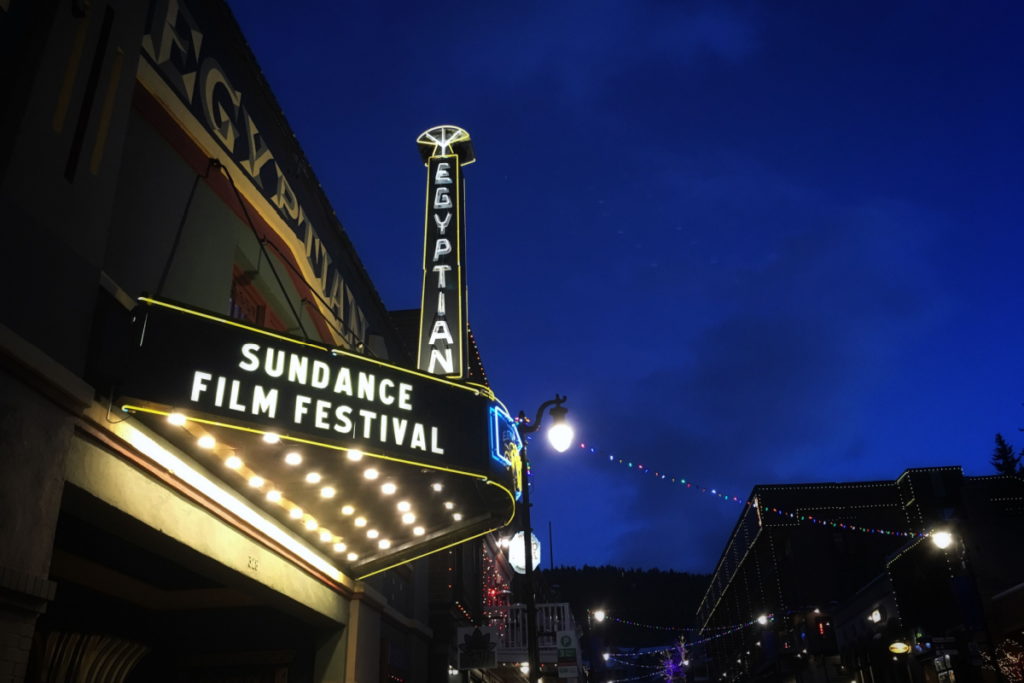
The End of an Era in a Mountain Town
The Sundance Film Festival is preparing to take the stage in Park City for the final time, closing a long chapter in the Utah ski town where the event evolved from a modest independent showcase into one of the most influential film festivals in the world. For decades, filmmakers, critics, and audiences have crowded Main Street, turning the once quiet resort town into a global hub for cinema discovery.
Park City has become inseparable from Sundance’s identity. The compact streets, pop-up theaters, and improvised venues shaped a festival culture defined by urgency, proximity, and chance encounters. That intimacy also became a limitation. As attendance and industry presence expanded year after year, congestion, logistics, and capacity pressures grew impossible to ignore. The decision to relocate the festival reflects how far it has outgrown its original setting.
This edition also carries added emotional weight. It is the first festival since the passing of its founder, Robert Redford, whose vision transformed Sundance into a platform for independent voices. Organizers have framed this final Park City gathering as both a celebration and a farewell, honoring the past while preparing audiences for a new future elsewhere.
Honoring a Legacy That Shaped Independent Cinema
Sundance was built on the idea that independent filmmakers deserved visibility, resources, and legitimacy within an industry dominated by major studios. That philosophy guided the festival’s growth and shaped generations of careers. Over the years, Sundance premieres helped launch or redefine the work of filmmakers who would later become central figures in global cinema.
The festival’s influence is measured not only in discovery but also in cultural impact. Films that debuted here went on to redefine genres, spark social conversations, and reshape expectations for what independent film could achieve commercially and artistically. The nonprofit structure behind the festival reinforced this mission, positioning Sundance as a space for experimentation rather than purely market-driven outcomes.
This final Park City edition places particular emphasis on that heritage. Programming highlights the festival’s history through retrospectives, reunions, and tributes that underscore how Sundance functioned as a meeting point between art and opportunity. The legacy of Redford’s commitment to creative independence remains a central theme, especially at a moment when many artists feel pressure from consolidation, streaming economics, and shifting studio priorities.
A Forward-Looking Lineup Amid Industry Change
While reflection plays a major role, the festival is also firmly focused on the present and future. The lineup blends emerging voices with established talent, reinforcing Sundance’s role as a bridge between new creators and global audiences. Music, comedy, drama, and documentary storytelling all feature prominently, maintaining the genre diversity that has long defined the event.
Documentaries remain a cornerstone, with films exploring culture, politics, sports, and personal history. These projects continue to position Sundance as a key launchpad for nonfiction storytelling, particularly work that blends journalistic depth with cinematic ambition. The presence of high-profile subjects alongside deeply personal narratives reflects the festival’s commitment to broad relevance.
Industry transformation is another central thread. Artificial intelligence, shifting studio power structures, and evolving distribution models are all shaping conversations across Park City. Filmmakers, technologists, and executives are using the festival as a forum to debate how creative control, authorship, and sustainability can be protected in a rapidly changing environment. Sundance’s role as a neutral ground for these discussions has rarely felt more significant.
Looking Ahead Beyond Park City
The move away from Park City marks a symbolic transition for Sundance. Leaving behind the town that defined its image raises questions about how the festival’s culture will adapt in a larger urban environment. Organizers have emphasized that the core mission will remain unchanged, even as logistics and scale evolve.
For many filmmakers, this final Park City edition represents a moment of closure. The rituals, challenges, and shared experiences that came with navigating the town have become part of Sundance folklore. Yet there is also recognition that reinvention has always been part of the festival’s story.
As Sundance prepares to enter its next phase, this final gathering stands as a reminder of what the festival achieved in Park City. It built a global platform for independent cinema, reshaped careers, and proved that artistic risk could coexist with cultural relevance. The last run through crowded streets and improvised venues does not signal an ending, but rather a handoff from one chapter to the next.
