

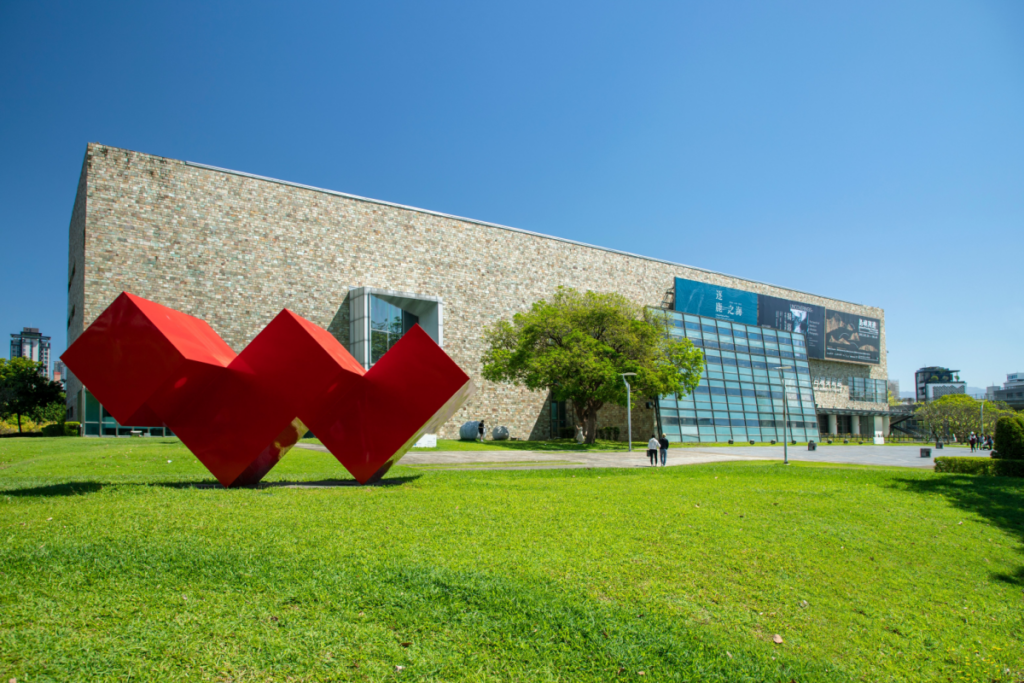
The newly opened Taichung Art Museum is reshaping how cultural institutions function in Taiwan, blending art, architecture, and everyday life into a single, fluid public space. Designed by the Japanese architecture firm Sanaa in collaboration with a local Taiwanese studio, the project merges an art museum and a municipal library into an interconnected complex that challenges traditional ideas of how visitors move through and experience culture.
Rather than presenting a clear entrance and linear route, the building encourages wandering. Visitors pass seamlessly between gallery spaces, reading rooms, bridges, ramps, and outdoor terraces. The absence of strict boundaries between functions is deliberate, reflecting a philosophy that cultural engagement should feel intuitive and exploratory rather than formal or intimidating.
Architecture That Encourages Discovery
The museum is composed of multiple irregular volumes wrapped in a silver mesh facade, creating a light-filled environment that shifts with the sun. Inside, ceilings rise and fall, staircases appear both indoors and outdoors, and pathways curve unpredictably. The layout prioritizes atmosphere and experience over efficiency, allowing each space to respond to its purpose rather than conform to a single architectural logic.
Museum staff describe the building as intentionally disorienting in a positive sense. Getting lost is part of the experience, encouraging visitors to slow down and remain open to unexpected encounters with art, books, or views of the surrounding park. The central atrium acts as a visual anchor, connecting the various structures while allowing natural light to flow throughout the complex.
This design approach reflects a broader shift in museum thinking, where buildings are no longer just containers for art but active participants in shaping how audiences interact with culture.
A Shared Home for Art and Learning
One of the defining features of the Taichung Art Museum is its integration with the city’s public library. Rather than separating quiet study areas from exhibition spaces, the complex allows the two functions to coexist. A visitor might spend hours reading before casually stepping into a gallery, or pause between exhibitions to sit with a book overlooking a rooftop garden.
Museum leadership sees this combination as a way to broaden audiences and reduce barriers to participation. By sharing space with the library, the museum becomes part of daily life for residents who may not typically seek out contemporary art. Students, families, and casual visitors encounter exhibitions naturally, without the sense that they are entering a specialized or exclusive environment.
The approach also reflects a civic ambition. The project was initiated by the city government, with the simple request for both an art museum and a library on the same site. The final result goes beyond that brief, dissolving the boundary between cultural consumption and everyday learning.
Exhibitions With Local and Global Reach
The museum’s inaugural exhibitions highlight both international perspectives and local artistic heritage. Newly commissioned works sit alongside pieces by established Taiwanese artists, creating dialogue across generations and regions. The main exhibition brings together artists from multiple countries, presenting a wide range of media including installations, painting, video, and archival materials.
A strong emphasis is placed on artists connected to Taiwan, particularly those with ties to Taichung. The curatorial vision also prioritizes inclusion, with specific attention given to artists with disabilities and underrepresented voices. This approach positions the museum not only as a showcase of artistic excellence but also as a platform for broader social reflection.
The scale and ambition of the exhibitions signal Taiwan’s growing confidence in presenting itself as a serious player on the global art stage. While the country’s international image is often shaped by political tensions, cultural institutions like this museum offer a different narrative, one rooted in creativity, openness, and experimentation.
A New Cultural Landmark for Taiwan
The Taichung Art Museum arrives at a moment when Taiwan’s art scene is gaining international momentum. Events, galleries, and biennials across the island are drawing increasing attention, yet much of that activity has remained centered in the capital. This new institution plays a key role in decentralizing cultural influence and positioning Taichung as a destination in its own right.
Cultural leaders view the museum as a potential turning point, capable of attracting international visitors while serving local communities. Its architecture, programming, and public focus reflect a long-term investment in cultural infrastructure rather than a short-term spectacle.
By merging art, learning, and public space into a single experience, the Taichung Art Museum offers a model for how cities can rethink cultural institutions in the twenty-first century. It is not just a place to view art, but a place to spend time, reflect, and discover, reinforcing the idea that culture thrives most when it is woven into everyday life.
