


European Central Bank officials have urged policymakers to remain cautious when adjusting interest rates, as geopolitical tensions linked to the war in Iran continue to shape the economic outlook across the euro area. The warning reflects mounting uncertainty about how rising energy costs could influence inflation and growth in the coming months.
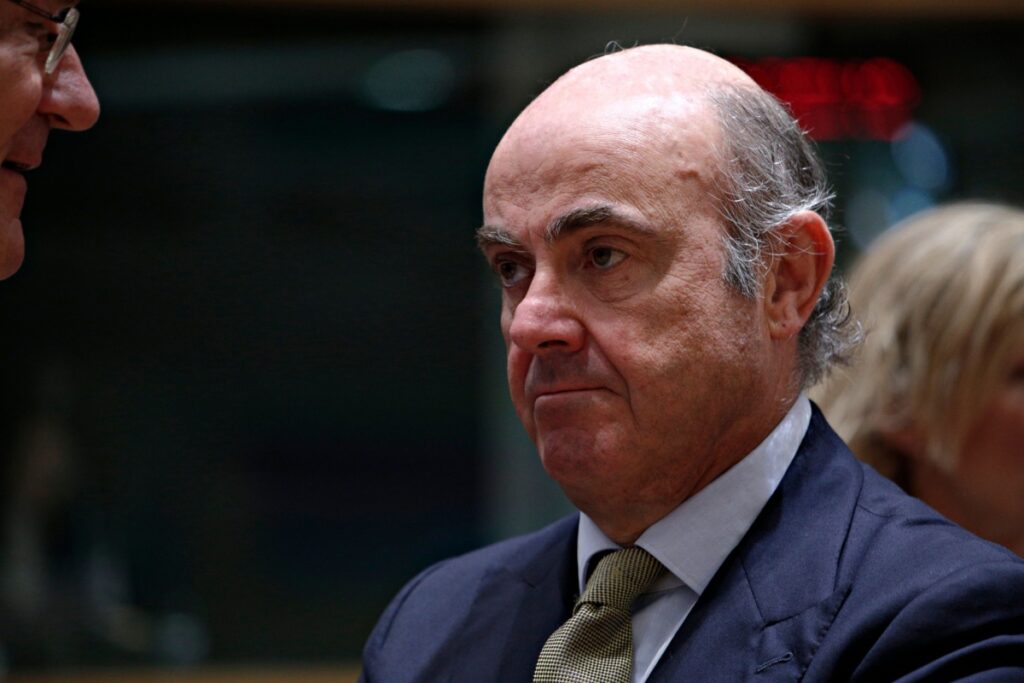
ECB Vice-President Luis de Guindos emphasized the importance of maintaining a measured approach to monetary policy decisions. According to his remarks, the central bank must carefully evaluate whether recent increases in oil and gas prices are likely to spill over into wider consumer prices or remain temporary disruptions.
Officials acknowledged that inflation pressures driven by energy costs remain a key concern. However, policymakers indicated that the available data is still limited, making it difficult to justify immediate changes in borrowing costs. As a result, central bank leaders have signaled that patience remains essential while new information becomes available.
The ECB’s position reflects a broader effort to balance price stability with economic resilience. Rapid policy moves could destabilize financial markets, particularly during periods of geopolitical stress that complicate forecasts and reduce visibility into future trends.
Energy Prices and Inflation Outlook Remain Uncertain
The ongoing conflict in the Middle East has significantly influenced global energy markets, pushing oil prices higher and creating renewed concerns about inflation across Europe. Rising energy costs have historically played a central role in shaping monetary policy decisions, particularly when they threaten to trigger sustained increases in consumer prices.
ECB officials have noted that current energy prices fall within the range of two scenarios outlined in earlier projections. One scenario assumes a temporary spike that fades over time, while a more severe outlook anticipates prolonged disruptions with lasting effects on inflation.
The uncertainty surrounding these outcomes has prompted policymakers to closely monitor whether higher fuel costs will influence wages, production expenses, and consumer demand. These so-called “second-round effects” are considered a critical indicator of whether inflation could become entrenched across the economy.
At the same time, analysts have observed that markets remain sensitive to developments in the conflict, particularly negotiations involving Iran. Changes in the geopolitical situation could quickly alter expectations for energy supply and price stability, complicating monetary policy planning.
Financial Stability Risks Draw Increasing Attention
In addition to inflation concerns, ECB leadership has highlighted several structural risks that could threaten financial stability across the euro zone. Among these are elevated market valuations, expansionary fiscal policies in some member states, and vulnerabilities within the growing private credit sector.
Private credit markets, in particular, have drawn attention due to their rapid expansion in recent years. These lending channels operate outside traditional banking systems, potentially introducing new risks if economic conditions deteriorate or borrowing costs rise sharply.
Officials also warned that government spending patterns could affect long-term financial stability, especially if fiscal policies remain loose amid rising interest rates. High public debt levels in some countries may limit flexibility to respond to future economic shocks.
Financial market valuations represent another area of concern. Elevated asset prices can create vulnerabilities if investor sentiment shifts suddenly, leading to sharp corrections that affect both banks and broader financial institutions.
Markets Await Further Policy Signals
Financial markets are closely watching upcoming ECB meetings for clearer indications of future rate decisions. Investors have increasingly priced in the possibility of additional tightening later in the year, although immediate changes remain uncertain.
Recent data suggest that the eurozone economy has not yet entered the most severe scenarios anticipated earlier in the conflict. However, policymakers continue to emphasize the importance of gathering more evidence before committing to a definitive course of action.
Economic forecasts across Europe remain sensitive to developments in global energy markets and geopolitical negotiations. Rising oil costs and disrupted trade routes have already influenced investor sentiment and contributed to volatility in currency and bond markets.
The ECB is expected to publish further assessments in its upcoming Financial Stability Review, scheduled to be released before the end of the current policy cycle. That report will likely provide deeper insight into the risks facing the euro zone and outline potential policy responses should inflation or financial instability intensify.
