


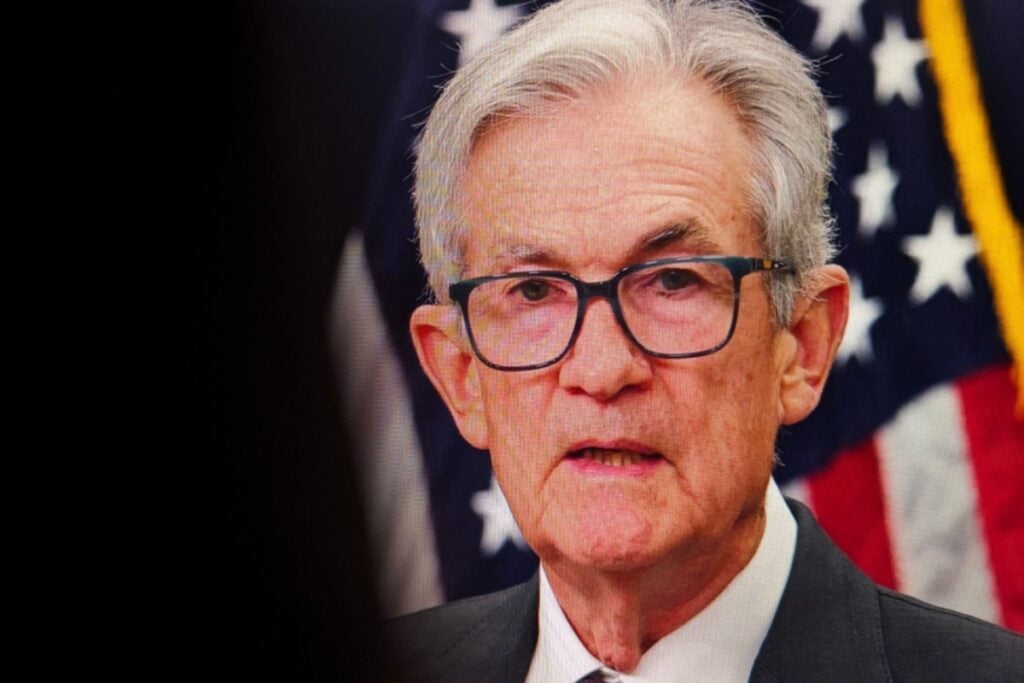
The United States Federal Reserve is increasing its oversight of the expanding private credit sector, with officials closely examining potential vulnerabilities that could affect broader financial stability. Speaking at an academic event on March 30, Federal Reserve Chair Jerome Powell stated that regulators are paying particular attention to developments in this segment of the financial system.
Private credit refers to lending activities conducted outside traditional banking channels, often involving investment firms and private funds that provide financing directly to companies. In recent years, this sector has grown rapidly, becoming an increasingly significant source of funding for businesses that may not have easy access to bank loans.
Powell noted that while the sector’s rapid expansion warrants caution, authorities have not identified evidence suggesting that problems within private credit would spread widely across the financial system. He emphasized that regulators are maintaining communication with major financial institutions to better understand exposure levels and evolving risks.
Officials expect some financial losses in private credit markets, particularly given the limited transparency of many private lending arrangements. However, Powell described the sector as relatively small compared with the broader financial system, reducing the likelihood of systemic disruption at present.
Treasury and Regulators Coordinate Oversight
In parallel with Federal Reserve monitoring efforts, the U.S. Treasury Department is preparing consultations with insurance regulators to address emerging concerns linked to private credit lenders. These discussions are intended to improve coordination among regulators and to evaluate liquidity and leverage risks within lending funds.
Officials are particularly focused on the growing integration of private credit assets into pensions, banks, and insurance portfolios. The increasing involvement of these institutions has raised questions about how stress in private credit markets might affect investors and policyholders if lending conditions deteriorate.
Treasury representatives have highlighted several areas of concern, including offshore reinsurance arrangements, credit rating practices, and the availability of liquid assets during periods of financial stress. Regulators are also examining whether investors are adequately protected when private credit products are marketed to institutional and retirement funds.
Although federal authorities do not directly control all insurance regulations, officials have signaled that a coordinated national approach may strengthen oversight and improve transparency. The anticipated meetings are expected to shape future regulatory strategies and clarify reporting standards across jurisdictions.
Broader Economic Context Adds to Uncertainty
The renewed focus on private credit risks comes amid broader economic uncertainty influenced by geopolitical tensions and inflation pressures. The Federal Reserve has maintained its benchmark interest rate within the 3.50% to 3.75% range, reflecting a cautious stance as policymakers evaluate ongoing developments.
Powell has indicated that global events, including conflict-related increases in energy prices, remain a key factor shaping the central bank’s outlook. He noted that the Federal Reserve is adopting a “wait and see” approach, allowing time to assess how inflation and employment trends evolve before making policy changes.
Financial markets have responded to uncertainty with shifting investor sentiment. Some analysts have observed higher volatility in bond yields and cautious investor behavior, particularly amid rising fuel costs and supply disruptions that are fueling inflation concerns.
Despite these pressures, Powell stated that long-term inflation expectations remain relatively stable. He also emphasized that current monetary policy is positioned to respond flexibly if conditions change significantly, whether due to external shocks or shifts in domestic economic indicators.
Regulators Seek Early Warning Signs
Central banks worldwide have increased surveillance of financial systems since the global financial crisis of 2008, when weaknesses in poorly understood credit markets triggered widespread economic disruption. The Federal Reserve has since adopted stricter monitoring practices designed to detect risks earlier and prevent systemic failures.
In the case of private credit, regulators are particularly focused on identifying early warning indicators, such as rising default rates or declining asset liquidity. Analysts have pointed out that the sector’s reliance on customized lending agreements can make it more difficult to measure risks using traditional financial metrics.
Powell stressed that maintaining close dialogue with financial institutions remains essential. By tracking lending trends and monitoring exposure levels, regulators aim to ensure that stress in one segment of the financial system does not escalate into broader economic instability.
While officials continue to evaluate developments, the expanding role of private credit markets underscores the evolving structure of global finance. Policymakers are expected to maintain heightened vigilance as lending activity grows and financial institutions deepen their involvement in nontraditional credit channels.
