


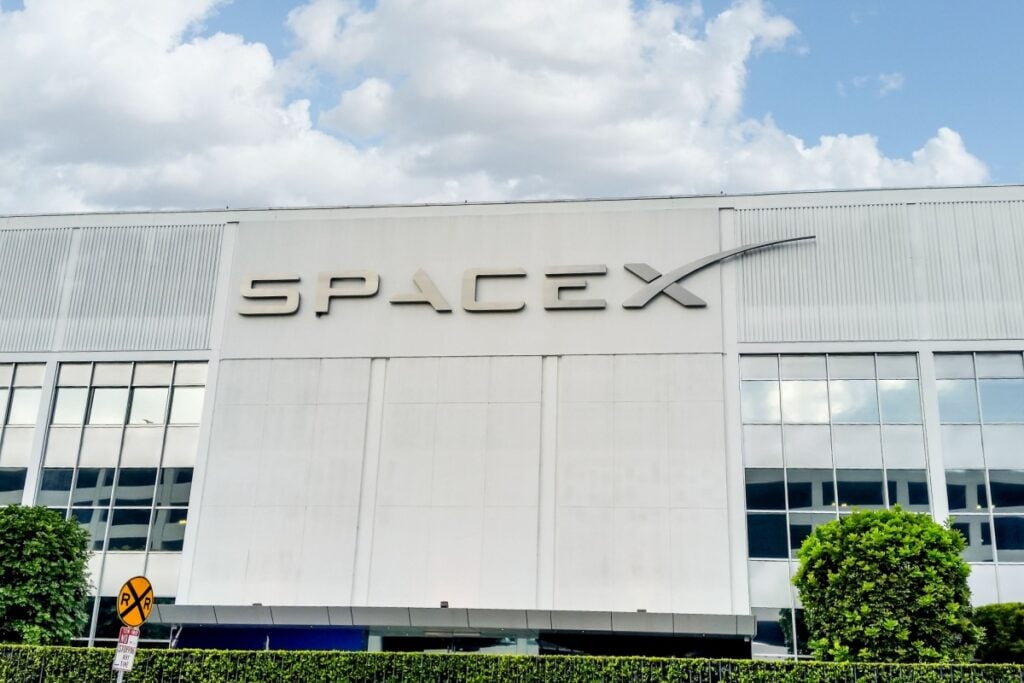
Morgan Stanley is increasingly viewed as the leading candidate to win the coveted “lead-left” role on a potential SpaceX initial public offering, according to people familiar with the discussions. A formal selection process is still in progress, and no final decision has been made, the sources said.
A small group of major banks is taking part in the so-called “bake-off,” including Goldman Sachs and JPMorgan, the people said. They cautioned that the talks are confidential and fluid, and that SpaceX could still change course on the timing or the line-up of advisers. Morgan Stanley, Goldman Sachs and JPMorgan declined to comment, while SpaceX did not respond to a request for comment.
People briefed on the process said a lead-bank decision could come before the end of 2025, with the wider underwriting syndicate expected to be completed later. The same people said the IPO remains dependent on market conditions, and could be postponed or shelved if the environment for new listings worsens.
Musk’s Track Record With Morgan Stanley
Morgan Stanley’s perceived advantage stems from its long history with CEO Elon Musk. The bank was among the underwriters on Tesla’s 2010 stock market debut and later advised Musk and led financing for his 2022 acquisition of Twitter, now X, Reuters previously reported. Those ties have helped cement expectations on Wall Street that Morgan Stanley could be asked to coordinate the SpaceX underwriting group, the sources said.
The relationship has also extended into Musk’s newer projects. One banker involved in the Twitter financing, Anthony Armstrong, was recently tapped to become chief financial officer of Musk’s artificial intelligence venture xAI, one of the people said. Another longtime adviser, Jared Birchall, runs Excession, which manages Musk’s personal assets, Reuters has previously reported.
Staff Memo Points to a 2026 Target
In a memo sent to employees last week, SpaceX Chief Financial Officer Bret Johnsen said the company was preparing for a public offering in 2026, while emphasizing that key details remain uncertain. Johnsen wrote that whether an IPO happens, when it happens and at what valuation are “highly uncertain,” but that strong execution and supportive markets could allow SpaceX to raise significant capital.
Reuters has also reported that SpaceX is exploring an offering that could raise more than $25 billion and potentially value the company above $1 trillion, a combination that would rank among the largest IPOs globally.
While investors have long speculated about a stand-alone listing of Starlink, people familiar with the matter said the IPO under discussion could include both the rocket-launch business and the satellite-internet unit, though the structure could still shift as planning continues.
Where the Money Could Go: Starship, AI, and the Moon
Johnsen’s memo said proceeds would be used to accelerate development of Starship and increase its flight rate, while expanding initiatives that connect SpaceX more directly to the artificial intelligence boom. Among the projects referenced were concepts for deploying AI data centers in space, leveraging capabilities alongside Starlink’s broadband network.
The company has also discussed building “Moonbase Alpha,” a lunar surface base Musk has mentioned, and it is already a key contractor for NASA’s Artemis program with a contract worth $4 billion to land astronauts using Starship. SpaceX’s longer-term ambition to send people and cargo to Mars remains central, with Starlink revenues seen as an important funding source for the rocket’s development.
Starlink has helped transform SpaceX from a launch provider into a broadband player that also operates the world’s largest satellite fleet. The business is described by people close to the company as SpaceX’s top revenue engine, and it has been expanding into new offerings, including a wireless push under the Starlink Mobile name, which SpaceX trademarked in October.
As of December 19, 2025, 9,357 Starlink satellites were in orbit, according to tracking compiled by Space.com, illustrating the scale of the business that would underpin an eventual public-market pitch.
