


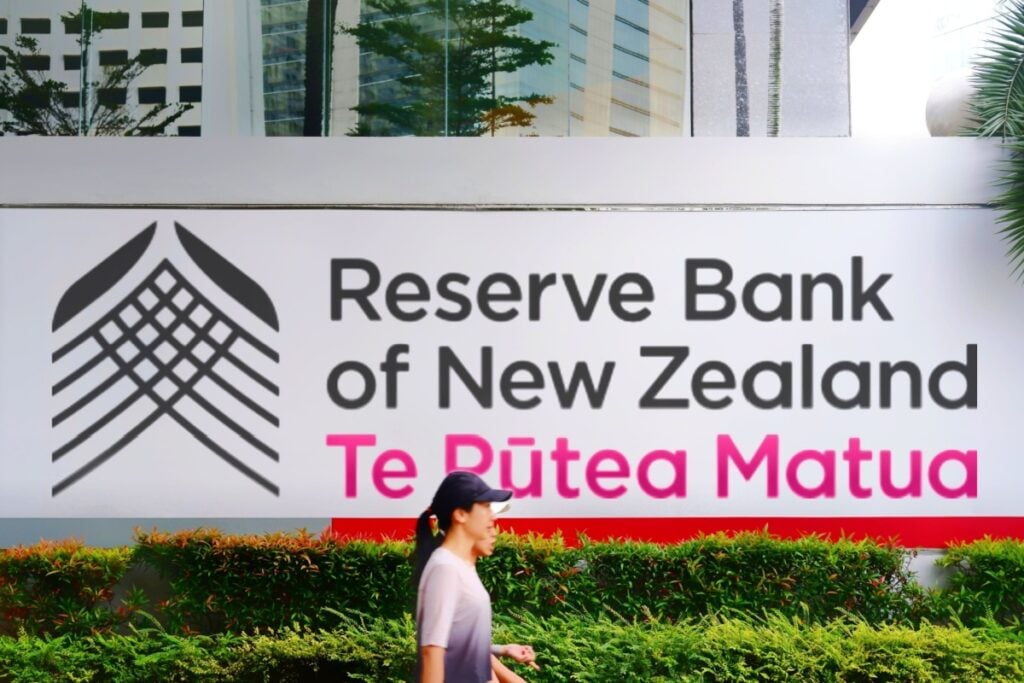
Anna Breman presided over her inaugural monetary policy meeting as Governor of the Reserve Bank of New Zealand (RBNZ) on February 18, 2026, underscoring a drive for improved transparency and clearer communication with markets and the public. Breman, appointed in September 2025 and taking office on December 1, 2025, is the first woman and first foreign national to occupy the position in the RBNZ’s history.
Her debut came after a period of leadership turbulence at the central bank. Former Governor Adrian Orr resigned in March 2025, prompting a search for a successor who could restore confidence and strengthen public engagement. Breman’s initial public sessions were designed to contrast with past communication missteps and provide markets with a more coherent narrative on monetary policy.
Monetary Policy Decision and Economic Outlook
At the meeting, the RBNZ kept the Official Cash Rate (OCR) at 2.25%, maintaining an accommodative stance intended to support a still-fragile economic recovery. The decision aligned with market expectations and was widely anticipated by economists and analysts.
Breman and her Monetary Policy Committee (MPC) highlighted the goal of balancing support for growth with efforts to bring inflation back toward the RBNZ’s target range. Inflation recently measured around 3.1%, above the bank’s desired 1%–3% range, though the MPC forecast it to ease over the coming year.
Officials signalled that future increases in the OCR would be contingent on firmer evidence of rising inflationary pressures and sustained economic momentum, rather than on a fixed timetable. As part of its strategy to enhance engagement, the RBNZ announced plans to increase the number of formal policy meetings from 7 to 8 per year, beginning in 2027.
Commitment to Transparency and Communication
One of Breman’s central themes has been a push for greater transparency in how the RBNZ communicates its policy decisions. In her first post-meeting press briefing, she delivered a detailed presentation complete with visual aids, setting a tone of openness uncommon in recent years. Analysts noted that this approach was a deliberate departure from the more reserved style of her predecessor.
Breman also reiterated the importance of clear forward guidance, especially as markets weigh inflation signals and rate expectations. Forward-looking statements from the bank made it clear that future policy moves will depend on evolving economic data, a stance that market participants have taken as a sign of cautious deliberation.
Observers say enhanced communication is seen as a critical step in rebuilding trust in the institution and reducing volatility around monetary policy events. In the context of broader global scrutiny on central bank independence and clarity, Breman’s actions reflect an effort to align RBNZ practices with international standards while tailoring them to New Zealand’s specific economic environment.
Markets and Broader Impact
Financial markets reacted to the RBNZ’s decision and messaging, with the New Zealand dollar weakening modestly against major currencies as expectations adjusted to a slower pace of rate normalization. Some analysts have noted that while the hold at 2.25% was broadly expected, the nuance in language around potential future tightening will be an ongoing focus for currency and bond markets.
Economists observing the meeting have emphasised that the central bank’s tone and transparency could influence how households and businesses plan for interest rate trends, particularly amid ongoing discussion about the timing of future rate increases.
