


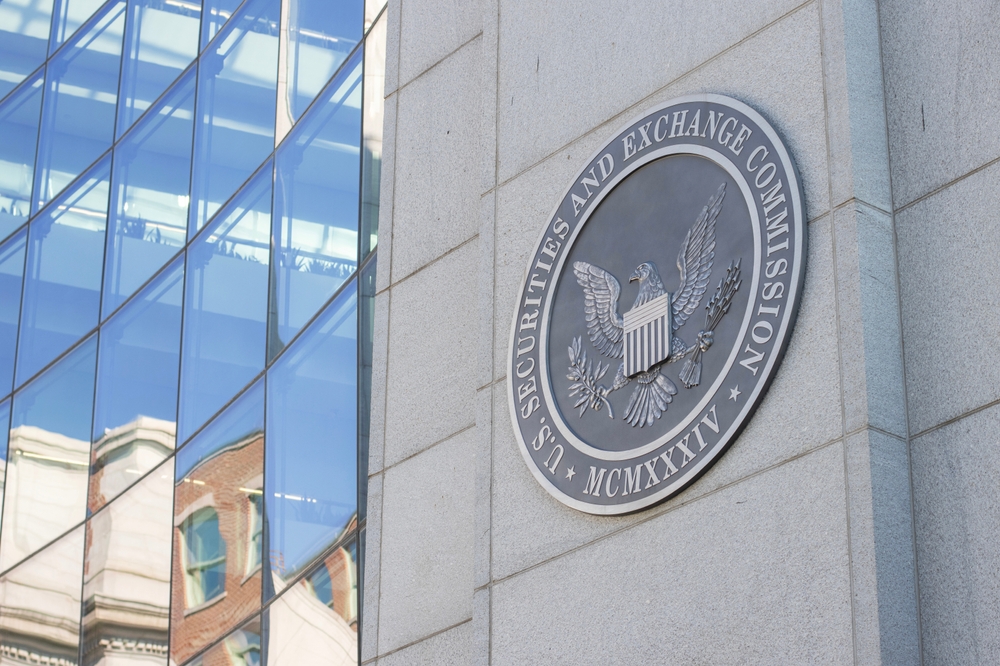
The U.S. Securities and Exchange Commission is intensifying its focus on potential risks within the private funds sector, according to newly appointed enforcement director David Woodcock. Speaking publicly on Wednesday, Woodcock said regulators are carefully monitoring issues tied to liquidity, valuations, fees, and conflicts of interest as private credit markets continue facing pressure from economic uncertainty, AI-related disruptions, and concerns over credit stress. His remarks also highlighted a broader shift inside the SEC toward prioritizing higher-impact enforcement actions over the sheer volume of cases.
SEC Turns Attention Toward Private Fund Vulnerabilities
Private funds and private credit markets have become an increasingly important part of global finance, attracting institutional investors searching for higher yields outside traditional banking systems. However, rapid expansion in the sector has also raised concerns among regulators and Wall Street analysts.
Woodcock emphasized that enforcement officials are actively reviewing risks connected to how these products are managed and sold throughout the financial system.
“We’re attuned to potential risk relating to liquidity, fees, valuation and conflicts of interest, not only at the private fund advisor level, but throughout the distribution chain,” said David Woodcock, director of enforcement at the U.S. Securities and Exchange Commission.
The comments suggest the SEC is paying close attention not only to fund managers themselves, but also to brokers, distributors, and financial representatives involved in offering private investment products to clients.
Investor Protection Remains the Central Focus
Woodcock stressed that firms selling complex private investment products must fully understand the needs and financial profiles of their clients before recommending those investments.
“Firms must ensure their representatives understand the products they sell and in their end, the investment profiles, risk tolerance and liquidity needs of their clients,” Woodcock said.
The warning comes as private credit markets face growing scrutiny tied to fears that deteriorating economic conditions could expose weaknesses in liquidity management and asset valuations. Some analysts have also warned that artificial intelligence-driven market changes and investor outflows could amplify stress across private markets.
Leadership Changes Inside the SEC
Woodcock officially became the SEC’s enforcement director last month following the abrupt departure of former enforcement chief Margaret Ryan.
Before taking the national role, Woodcock served as head of the SEC’s regional office in Fort Worth, Texas, where he built a reputation as a corporate attorney and regulator focused on financial misconduct investigations.
Ryan’s departure reportedly followed internal clashes with agency leadership, marking a significant transition period for the enforcement division as the SEC recalibrates its regulatory priorities.
SEC Defends Decline in Enforcement Activity
Recent data showing a steep drop in SEC enforcement activity has drawn criticism from some observers who worry the regulator may be becoming less aggressive. Woodcock addressed those concerns directly during his remarks.
“I want to be clear the commission has deliberately shifted toward an emphasis on quality over quantity, and I fully support that direction,” Woodcock said.
Rather than pursuing a larger number of smaller cases, the SEC appears focused on targeting actions it believes present the greatest threat to investors and market stability.
“Our focus is and will remain on protecting investors and safeguarding markets from real harm,” Woodcock added.
Private Credit Faces Growing Market Scrutiny
Private credit has expanded rapidly in recent years as businesses increasingly seek financing outside traditional banking institutions. Large asset managers and investment firms have poured billions into the sector, attracted by strong returns and flexible lending structures.
But concerns surrounding transparency, liquidity pressures, valuation practices, and borrower defaults have intensified amid economic uncertainty. Regulators worldwide are increasingly examining whether parts of the private credit market could pose broader financial stability risks if market conditions worsen.
The SEC’s latest comments indicate that private funds are likely to remain a major enforcement and oversight priority moving forward.
Conclusion
The SEC’s latest warning signals a tougher regulatory stance toward risks emerging inside private funds and private credit markets. Under David Woodcock’s leadership, the agency appears determined to concentrate enforcement resources on areas it believes could create meaningful harm for investors and market stability. As private investment products continue growing in popularity, firms across the financial industry may face increasing pressure to strengthen transparency, improve risk disclosures, and ensure clients fully understand the products being offered.
