


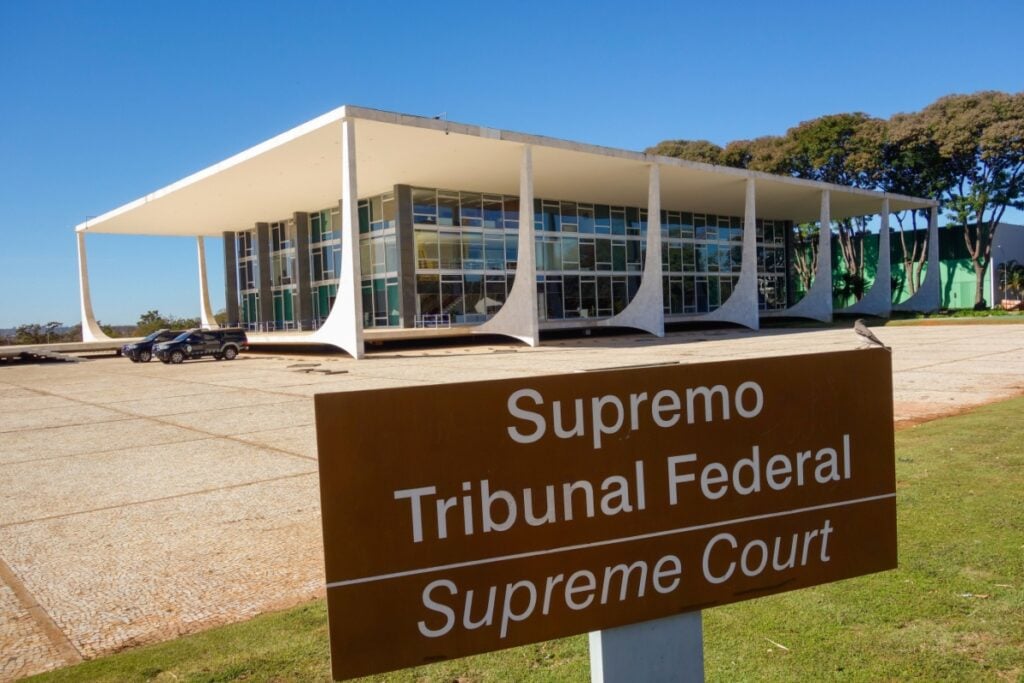
Brazil’s Supreme Court justice Dias Toffoli said he has never received payments and has no relationship with Daniel Vorcaro, the controlling shareholder of Banco Master, after a federal police report cited references to the judge in material extracted from a seized mobile phone, according to people familiar with the document.
In a statement released on Thursday, Feb. 12, 2026, Toffoli rejected any suggestion of personal or financial ties to Vorcaro, and also denied receiving money from Fabiano Zettel, identified as Vorcaro’s brother-in-law. The statement framed the matter as a clarification rather than grounds for any change in Toffoli’s position overseeing the case.
Phone Data And The Inquiry Under Toffoli’s Watch
The episode centers on a report sent by the head of Brazil’s Federal Police to Supreme Court President Edson Fachin, referencing Toffoli in data drawn from Vorcaro’s mobile phone, which was obtained through a court-authorized search, sources said. The report’s arrival has intensified scrutiny of Toffoli’s role, as he is the justice responsible for supervising the investigation into the bank’s collapse.
A person familiar with the file said the police report runs 180 pages and includes references to alleged payments to a company linked to Toffoli, as well as mentions of invitations to social events. Another source said the full report was forwarded to the Prosecutor General’s Office, which will decide whether any further steps are warranted.
While the report flagged elements that, in the police view, require closer examination, it did not ask the court to remove Toffoli from his post overseeing the investigation. In his statement, Toffoli argued there was no basis for stepping aside, saying he never maintained a friendly relationship with Vorcaro and emphasizing, “he has never received any money” from the individuals cited.
Banco Master’s Collapse And A Broader Debate
Banco Master, which held under 1% of Brazil’s banking assets, was placed into extrajudicial liquidation in November after the Central Bank of Brazil cited a severe liquidity crisis, sharp financial deterioration, and serious rule violations. Even though it was a relatively small institution by asset share, the bank’s failure drew outsized attention because of the political and institutional ripples it created, and because the Supreme Court became a key venue for related disputes and investigative decisions.
The controversy has unfolded alongside wider reporting and analysis in international outlets describing the bank’s collapse as a scandal that has reached Brazil’s elite institutions. Those reports have focused in part on how the legal process has been handled, and on the reputational risk for the judiciary when leading figures become entangled in allegations or perceived conflicts, regardless of whether wrongdoing is ultimately established.
Separately, a prior Reuters report highlighted that the same broader investigation has led to other high-stakes measures. In January 2026, Toffoli authorized the freezing of assets belonging to investor Nelson Tanure at the request of the Prosecutor General’s Office, in a move tied to the inquiry into the now-liquidated bank. Tanure has denied allegations referenced in that reporting.
What Happens Next For Prosecutors And The Court
The most immediate decision point now sits with the Prosecutor General’s Office, which will assess the federal police findings and determine whether to open additional investigative steps, seek testimony, or take other action connected to the material extracted from Vorcaro’s phone, according to the people familiar with the process.
At the Supreme Court, the question of process integrity, including whether any judge should recuse themselves when personal references appear in investigative material, can become as consequential as the underlying allegations. In this case, the police report did not request Toffoli’s removal, and Toffoli’s public response indicated he sees no factual or procedural reason to step aside. Whether the issue escalates will depend on what prosecutors conclude from the report, and whether any additional evidence corroborates or contradicts the claims described by sources.
