


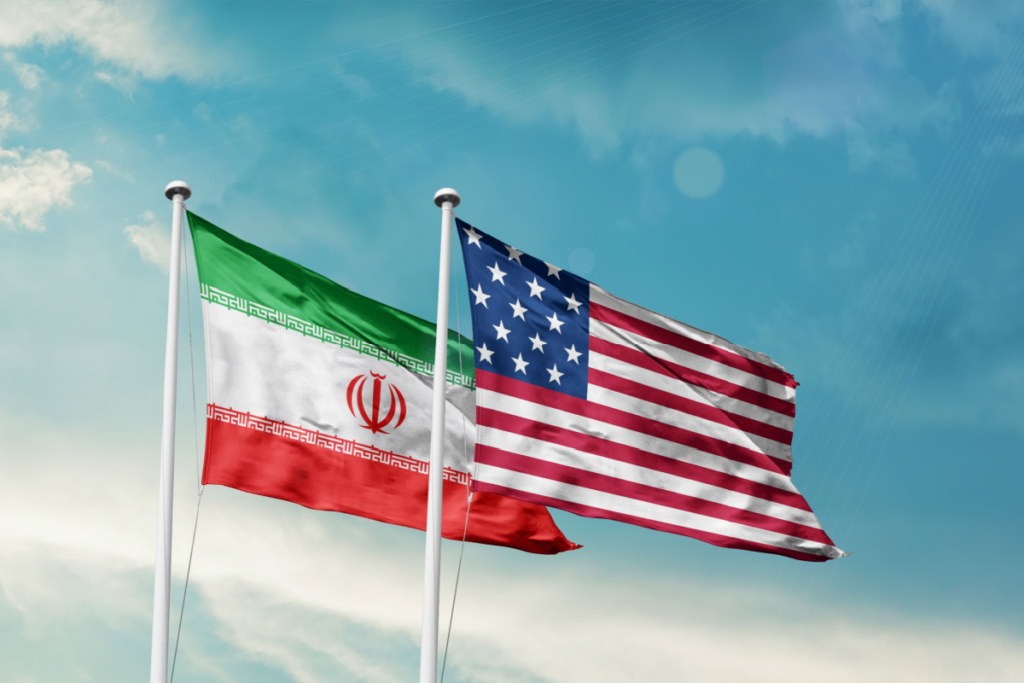
A Cautious Step Back to Diplomacy
Iran has tentatively agreed to resume nuclear discussions with the United States as both sides look for a way to reduce escalating regional tensions and avoid further military confrontation. The talks would mark the first serious diplomatic engagement on Iran’s nuclear program since US strikes targeted Iranian nuclear facilities last year, an episode that sharply increased the risk of a broader conflict in the Middle East.
The discussions are expected to take place in Oman, a country that has long acted as a discreet intermediary between Tehran and Washington. While arrangements are still being finalized, both sides have indicated a willingness to proceed with talks despite disagreements over format, venue, and participants. The White House has confirmed that negotiations are expected to move forward, even as it continues to keep military options on the table should diplomacy fail.
For Iran, the decision reflects a desire to relieve mounting pressure at a time when military threats, economic strain, and regional instability are converging. For the United States, the talks offer a potential path to constrain Iran’s nuclear activities without triggering another conflict in a region already marked by prolonged crises.
Conditions and Red Lines From Tehran
Iranian leaders have made clear that their participation in talks comes with strict conditions. Tehran wants negotiations to focus exclusively on its nuclear program, excluding broader regional issues and limiting the involvement of other regional actors. Iranian officials have also emphasized that discussions must take place in an environment free from threats, signaling deep mistrust after recent military actions.
While Iran’s president has authorized diplomatic engagement, ultimate authority rests with the country’s supreme leadership, which has publicly warned that any renewed US military strikes would provoke a wider regional response. This internal balance between cautious diplomacy and hardline deterrence shapes Tehran’s approach, making any agreement difficult but not impossible.
At the same time, divisions are evident within Iran’s political establishment. Some officials have expressed confidence that a deal can be reached, while others have ruled out concessions on sensitive issues such as enriched uranium stockpiles. Iran’s continued enrichment at high levels and restrictions on international inspections remain major sticking points and a source of concern for Western governments.
Regional Efforts to Prevent Escalation
The prospect of renewed talks has triggered intense diplomatic activity across the Middle East. Several regional powers are working behind the scenes to prevent a direct Iran-US confrontation, which could destabilize energy markets, disrupt trade routes, and draw neighboring countries into a wider conflict.
Countries including Oman, Qatar, Turkey, Egypt, Saudi Arabia, and the United Arab Emirates have all played roles in encouraging dialogue or offering venues for negotiations. These efforts reflect a shared regional interest in de-escalation, particularly after years of conflict and economic uncertainty.
Iran’s military capabilities add urgency to these mediation efforts. The country possesses a large arsenal of missiles and drones capable of reaching US forces stationed throughout the region, as well as Israel. Any miscalculation could rapidly escalate beyond the control of the original parties, reinforcing the importance of maintaining diplomatic channels even amid deep mistrust.
A Fragile Opening With High Stakes
Despite the renewed diplomatic momentum, the path ahead remains highly uncertain. The United States continues to signal that it is prepared to use force if negotiations collapse, while Iran insists that it will not negotiate under pressure. Previous rounds of indirect talks broke down following regional military actions, underscoring how quickly diplomacy can unravel.
The core issue remains Iran’s nuclear program, particularly the level of uranium enrichment and the extent of international oversight. Western officials argue that limits and transparency are essential to prevent Iran from developing a nuclear weapon, while Tehran maintains that its program is sovereign and defensive in nature.
Still, the willingness of both sides to explore talks suggests recognition that the alternative — open conflict — carries enormous risks. Even a limited agreement could help stabilize the situation, reduce the likelihood of immediate military action, and create space for further dialogue.
For now, the planned discussions represent a narrow but significant opening. Whether it leads to a lasting agreement or collapses under the weight of mistrust will shape not only US-Iran relations but also the broader security landscape of the Middle East.
