


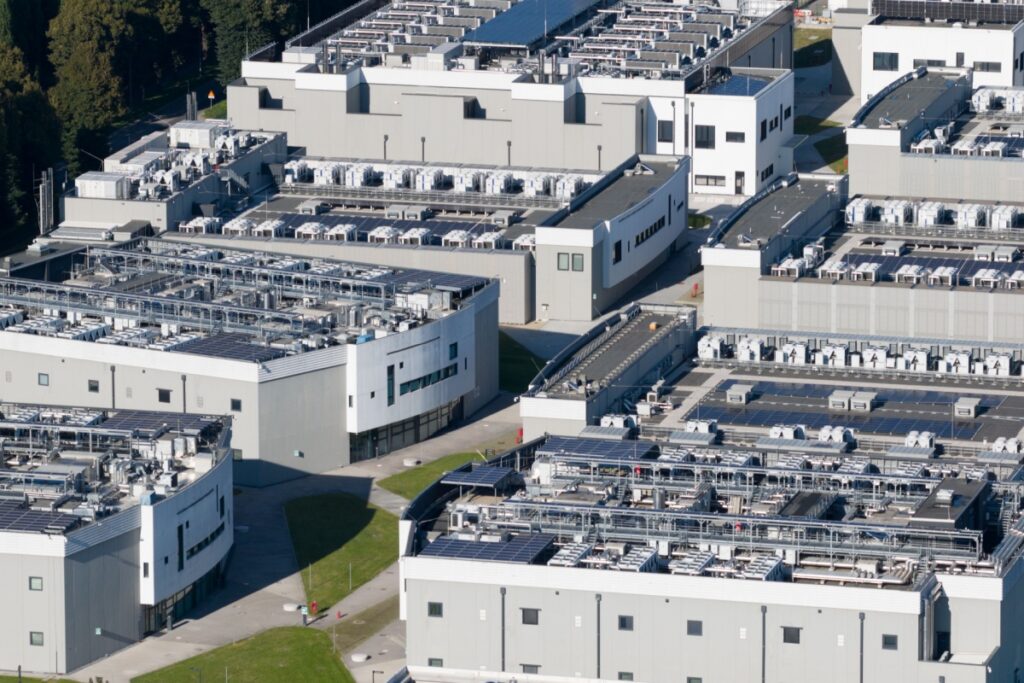
Lawmakers in the state of Maine have approved legislation that would temporarily halt construction of large data centers, marking the first statewide effort in the United States to restrict the rapid expansion of facilities that support artificial intelligence and cloud computing. The measure reflects growing political attention to the environmental and economic effects of the technology sector’s infrastructure growth.
The legislation targets data centers exceeding a defined energy threshold and would suspend approvals for more than a year while officials evaluate long-term impacts. The bill passed through Maine’s Democratic-controlled Legislature and has been forwarded to Governor Janet Mills for consideration.
Supporters of the moratorium argued that recent proposals for large-scale facilities sparked public concern among residents worried about rising electricity demand, strain on local utilities, and increased water consumption. Although Maine has not historically been a major destination for large technology installations, several proposed projects prompted strong community resistance and accelerated legislative action.
State officials said the temporary pause would allow the creation of a dedicated panel to study the potential consequences of new data centers and provide guidance to local governments reviewing future development plans.
Community Concerns Drive Political Momentum
Public opposition has played a central role in shaping the debate. Residents and advocacy groups have raised concerns about the high electricity demand required to power advanced computing systems used for artificial intelligence applications. Lawmakers cited fears that increased demand could drive up utility costs or even threaten grid stability in some regions.
Environmental considerations also influenced the proposal. Large data centers typically require significant water resources for cooling systems and substantial land use for construction. Critics warned that without careful planning, these projects could affect local ecosystems and municipal infrastructure.
Proponents of the legislation stressed that the pause was not intended to permanently block technology investment but rather to ensure that development aligns with community priorities. One legislative sponsor stated that the trade-offs associated with data centers have not yet demonstrated clear benefits for local residents, including lower electricity costs, reduced water use, or job creation.
Industry representatives, however, cautioned that sweeping restrictions could discourage future investment and send negative signals to technology companies considering expansion. Business groups emphasized that data centers support cloud services, artificial intelligence development, and digital commerce, all of which are increasingly central to economic growth.
Technology Growth Meets Regulatory Debate
The decision in Maine comes amid broader national discussions about the pace of data center development in the United States. Policymakers in multiple states have introduced proposals to regulate large computing facilities, though few have advanced as far as Maine’s measure.
Technology companies and federal officials have argued that expanding data infrastructure is essential for maintaining competitiveness in artificial intelligence and digital innovation. National leaders have promoted large-scale facilities as strategic assets in global technology competition, particularly as governments emphasize the need to maintain leadership in emerging technologies.
At the same time, lawmakers across the political spectrum have increasingly acknowledged the need to balance technological progress with public concerns about sustainability and infrastructure capacity. Analysts note that artificial intelligence systems rely heavily on data centers operating at high capacity, which can place additional demands on energy grids during peak periods.
Recent public polling in other states has indicated shifting attitudes toward large technology installations, with some communities expressing skepticism about tax incentives and infrastructure impacts associated with these projects. These developments suggest that the policy discussion is likely to extend beyond Maine to other regions facing similar proposals.
Economic Stakes and Future Policy Decisions
Supporters of data center development argue that the facilities can generate economic activity, particularly in rural areas where new industries are sought to replace declining sectors. Projects often promise construction jobs, long-term operational employment, and tax revenue that can support local governments.
Governor Janet Mills has indicated support for a temporary halt but has also suggested that certain projects using existing industrial infrastructure could warrant exemptions. For example, a proposed development at a former paper mill site has been highlighted as a potential source of employment in communities seeking economic revitalization.
The Maine initiative is widely viewed as a test case for how governments may respond to the rapid expansion of artificial intelligence infrastructure. Analysts note that while technology companies continue to invest heavily, policymakers are increasingly focused on regulatory frameworks to address long-term resource demands and community impacts.
The outcome of the legislation, including whether it is signed into law and how future exemptions are handled, may influence similar policy debates in other states considering restrictions on data center construction. As technological development accelerates, the balance between economic growth, environmental stewardship, and infrastructure stability is expected to remain a central issue in political discussions about the deployment of artificial intelligence.
