


Rising Costs for Foreign Visitors
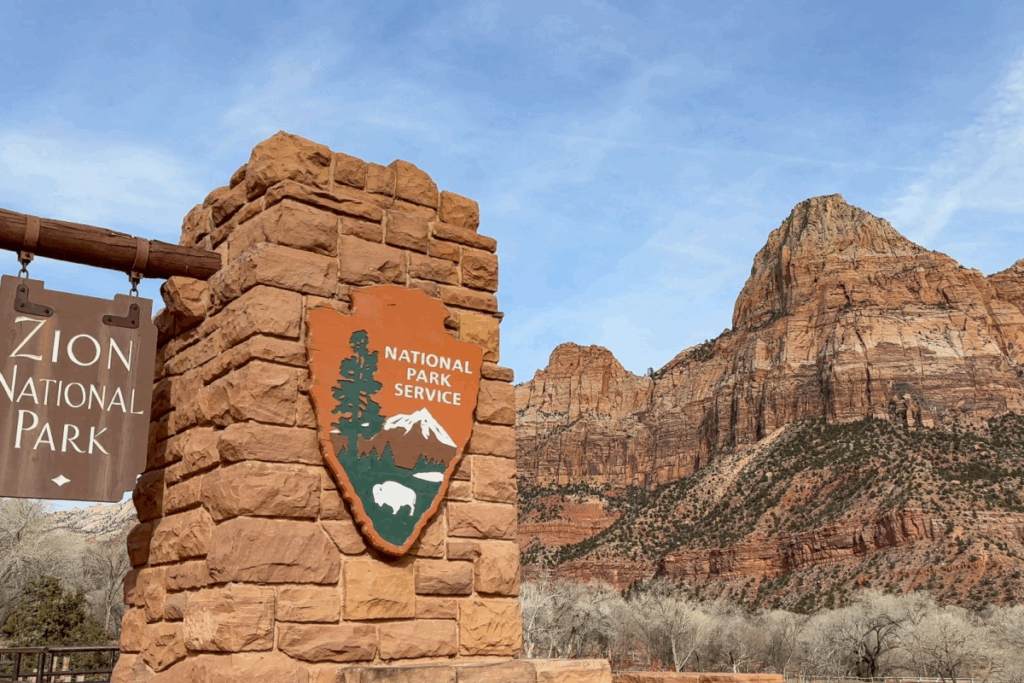
The Interior Department announced a significant overhaul of national park fees that will take effect in the coming year. The focus of the program is a sharp increase in fees for international visitors while keeping existing pricing for U.S. residents. Foreign visitors will be required to purchase a 250 dollar annual pass or pay 100 dollars per person to enter some of the most popular destinations in the National Park System, and these entrance fees apply in addition to existing park charges. The department said this change is designed to ensure that overseas tourists contribute more to the upkeep of major parks during years of record visitation from international travelers.
U.S. residents will continue to have access to the interagency annual pass for 80 dollars. The department highlighted the decision as a way to make it easier for American families to travel across public lands while generating new revenue from international tourism. The Interior Secretary promoted the changes as a strategy to strengthen domestic access and ensure visitors from abroad share more of the financial burden required to maintain parks and infrastructure. This shift is framed as a policy to protect natural resources while recognizing the increasing costs of preserving popular destinations.
Special Passes and Patriotic Fee Free Days
A new element of the program is a redesign of national park passes for the country’s semiquincentennial celebrations. The annual passes issued that year will feature a commemorative design portraying George Washington and Donald Trump side by side. The military pass will include imagery of Trump saluting uniformed personnel. The department presented these designs as part of a wider national effort to celebrate American history and public lands, tying the anniversary of the Declaration of Independence to symbolic changes in national park materials.
Another key initiative is the expansion of fee free days, which allow U.S. residents to enter national parks without charge. The number of free admission days will increase to ten during the commemorative year. Several of the newly added dates coincide with holidays associated with independence and the Constitution, reflecting the administration’s intention to connect national parks with patriotic events. In addition, one of the new fee free dates will fall on Flag Day, which is also the birthday of former President Trump. The Interior Department described these decisions as part of a commitment to making national parks more accessible to Americans during historic observances.
Policy Controversies and Conservation Questions
While the department said the goal of the new pricing structure is to support conservation, the announcement has intensified debate over the administration’s broader environmental record. Supporters argue that higher fees for foreign visitors are a reasonable approach to generating much needed funding for park maintenance. They also say that patriotic branding and expanded admission opportunities for Americans reinforce the idea that public lands belong to the nation.
Critics argue that the policy raises questions about access and the future of conservation. The Interior Department has seen cuts to staffing and oversight in recent years, which has affected the management of national parks and public lands. There have also been proposals to reduce funding for conservation and expand resource extraction in protected landscapes. These concerns have led some to question whether the new fees will address long standing challenges or simply mask larger structural issues.
The inclusion of commemorative park passes that feature political figures is another source of debate. For some, the designs are a celebration of American heritage. For others, they represent a shift toward politicizing public spaces and national symbols. Environmental groups and former officials have warned in the past that conservation policy should focus on long term protection of landscapes rather than symbolic gestures or fee adjustments.
A Shift in National Park Identity
National parks have long been seen as a shared national resource that is open to everyone, regardless of origin. This new system marks a noticeable shift in how the federal government defines access. As visitation increases, the challenge for park management is to balance growth in tourism with preservation. Supporters of the fee increase maintain that the new pricing system gives Americans priority at their own parks. Critics counter that exclusionary pricing for international visitors may undermine the universal mission of public lands.
As the policy continues to roll out, it will likely serve as a test of how national identity, tourism and conservation interact in the next decade of public land management. The upcoming patriotic celebrations and commemorative passes are designed to draw more Americans into the parks, but the success of the initiative will depend on whether the increased revenue and new fee structure can meaningfully improve the health of the system.
