


Federal Response Intensifies as Unrest Grows
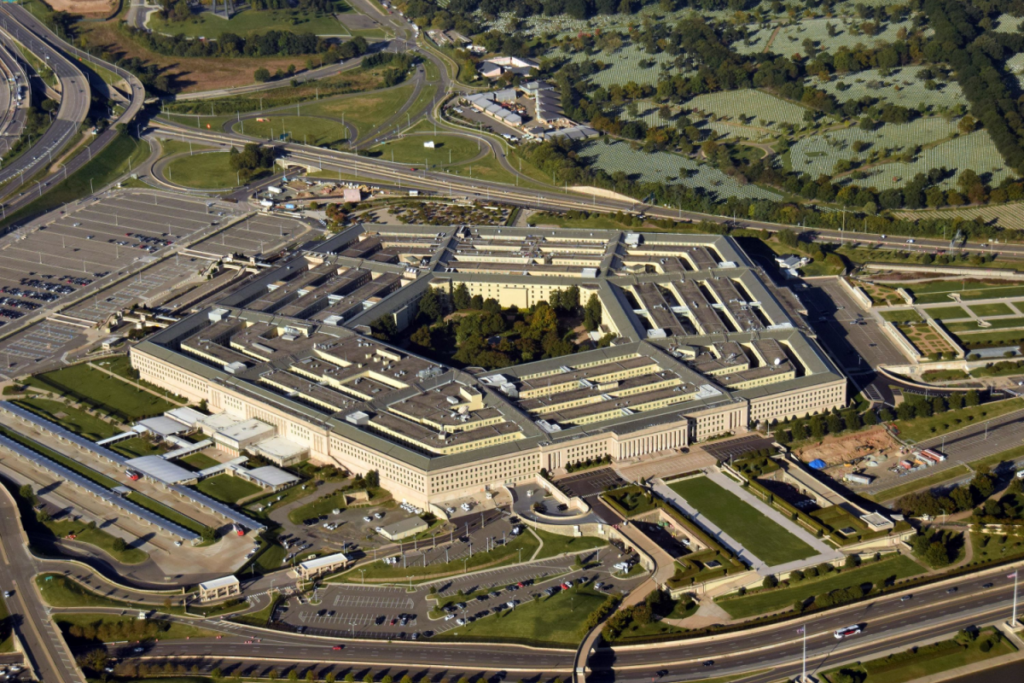
Tensions in Minnesota have entered a new phase as the Pentagon ordered roughly 1,500 troops to prepare for a possible deployment to the state. The move comes amid sustained protests directed at U.S. Immigration and Customs Enforcement operations following the fatal shooting of a Minneapolis woman by an ICE officer. While no final order has been given to send troops onto the ground, the directive places military units on heightened readiness as the federal government weighs its next steps.
Two battalions from the 11th Airborne Division have been instructed to prepare in case presidential authority is used to expand the federal response. The preparation order signals the seriousness with which federal authorities are viewing the unrest, even as the president has indicated that invoking extraordinary powers may no longer be necessary. The situation reflects a broader national debate over the role of federal forces in responding to domestic protests tied to immigration enforcement.
Minnesota has already experienced an extensive federal presence, with thousands of agents deployed in recent weeks despite objections from state and local leaders. The White House has framed the operation as necessary to enforce immigration law and address alleged corruption, while critics argue it has inflamed tensions and undermined local governance.
Protests, Churches, and Federal Investigations
The unrest escalated further after protesters disrupted a religious service in St. Paul, chanting slogans against ICE and invoking the name of the woman killed in Minneapolis. The incident drew swift attention from federal authorities, who moved to investigate whether crimes were committed during the disruption. The Justice Department has stated its intent to pursue federal charges if warranted, signaling a firm stance against protests that cross into sensitive spaces such as houses of worship.
The protest gained national visibility after being livestreamed online, prompting reactions from senior Justice Department officials. Federal authorities emphasized that religious institutions are protected spaces under federal law and that intimidation or disruption could carry legal consequences. The investigation has become part of a broader federal effort to assert control over the situation in the Twin Cities.
At the center of the controversy is a pastor reportedly connected to federal immigration enforcement leadership in the region. While neither ICE nor the church has publicly confirmed details of his dual roles, the perceived overlap has fueled anger among activists, who view it as emblematic of what they describe as unchecked federal power embedded within local communities.
Local Leaders Push Back Against Militarization
Minnesota officials and city leaders have strongly criticized the possibility of troop deployments. The mayor of Minneapolis has described the move as unjust and unconstitutional, arguing that military involvement would only deepen divisions and escalate an already volatile situation. Local authorities maintain that public safety can be managed without invoking military force, and that dialogue rather than coercion is needed to restore calm.
The Federal Bureau of Investigation has also expanded its footprint, requesting agents from across the country to assist in Minnesota. This multi-agency presence has had tangible effects on daily life. Public schools in St. Paul have offered virtual learning options for families concerned about safety, while some hotels in the Twin Cities have temporarily closed, citing heightened security risks linked to the ongoing immigration crackdown.
Federal officials have defended their actions by reiterating that immigration enforcement does not target children in schools, while leaving open the possibility of entering school facilities under specific circumstances involving serious criminal threats. These assurances, however, have done little to ease community fears, particularly among immigrant families already on edge.
A Flashpoint in the National Immigration Debate
The situation in Minnesota has become a flashpoint in the wider national debate over immigration enforcement, protest rights, and federal authority. The president’s earlier threat to invoke the Insurrection Act added another layer of concern, as the law would allow active-duty troops to carry out law enforcement functions. Although such a move has not yet materialized, the mere possibility has alarmed civil liberties advocates and legal scholars.
At the same time, federal officials argue that strong measures are necessary to protect law enforcement personnel and maintain order. The administration has framed the protests as increasingly aggressive, while demonstrators insist their actions are a response to what they see as excessive and harmful enforcement tactics.
As troops remain on standby and investigations continue, Minnesota finds itself at the center of a high-stakes confrontation between federal power and local resistance. Whether the situation de-escalates or moves toward further federal intervention may shape not only the future of the protests, but also broader precedents for how immigration-related unrest is handled across the country.
