


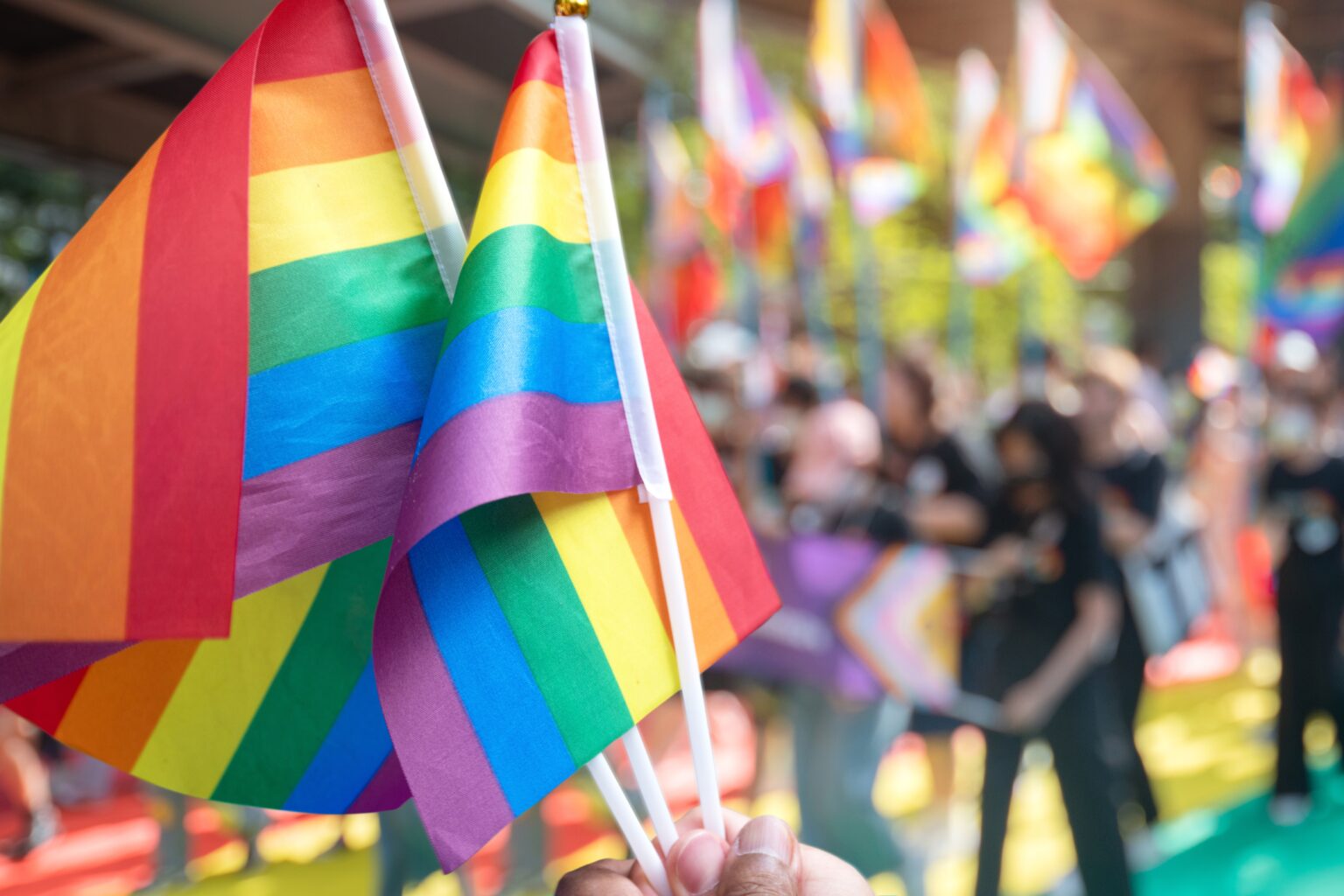
The U.S. Supreme Court has rejected an appeal to overturn its 2015 decision that legalized same-sex marriage nationwide, reinforcing one of the most significant civil rights rulings of the 21st century. The move comes after years of debate and challenges from conservative figures who have sought to reverse the Obergefell v. Hodges ruling.
Kim Davis’s Long Legal Battle Ends
Kim Davis, the former Kentucky clerk who refused to issue marriage licenses to same-sex couples after the ruling, brought the case back into the spotlight. Her appeal asked the court to void a lower-court order requiring her to pay $360,000 in damages and attorney’s fees to a couple she denied a license. The justices declined to hear the case, offering no comment. Davis had claimed her actions were guided by her faith, sparking a national conversation about religious freedom and equal rights.
Justices Remain Divided in Perspective
Although the court dismissed Davis’s appeal, it highlighted the ongoing divide among justices regarding same-sex marriage. Justice Clarence Thomas has previously urged reconsideration of the 2015 decision, with Chief Justice John Roberts and Justice Samuel Alito sharing dissenting views during the original case. However, Roberts has since remained silent, and Alito recently clarified that while he continues to criticize the ruling, he is not calling for it to be overturned.
Barrett Draws a Line Between Issues
Justice Amy Coney Barrett, who joined the court after the 2015 ruling, has emphasized that while the court can overturn mistakes—as seen in the 2022 decision ending the constitutional right to abortion—same-sex marriage stands on different grounds. She explained that “people have relied on the decision when they married and had children,” suggesting a practical distinction between the two controversial issues.
Human Rights Advocates Applaud the Decision
The ruling drew praise from LGBTQ+ rights supporters. Kelley Robinson, president of the Human Rights Campaign, said in a statement, “The Supreme Court made clear today that refusing to respect the constitutional rights of others does not come without consequences.” Her remarks echoed relief among activists who viewed the rejection as a reaffirmation of equality and legal stability for same-sex couples nationwide.
A Symbolic Closure to a National Debate
Davis’s defiance in 2015 had turned Rowan County, Kentucky, into a national flashpoint. After being jailed for contempt of court, she was released when her staff issued marriage licenses without her name. The state legislature later passed a law removing county clerks’ names from all marriage licenses—a compromise that ended the controversy but left lingering divisions.
The Supreme Court’s refusal to revisit Obergefell v. Hodges signals a continued commitment to uphold the rights of same-sex couples. While debates around religious liberty and individual conscience persist, this decision reinforces the principle that constitutional protections extend equally to all Americans.
