


A New Escalation Under Discussion
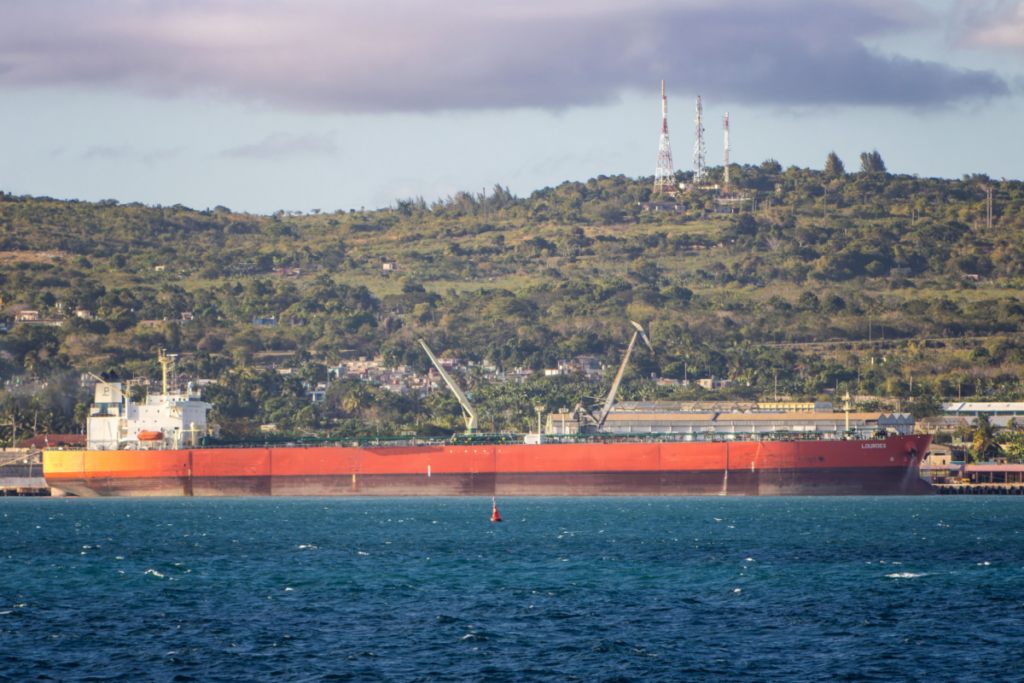
The Trump administration is evaluating more aggressive measures aimed at forcing political change in Cuba, including the possibility of imposing a total blockade on oil imports to the island. The proposal is part of a broader internal debate over how far the United States should go to weaken Cuba’s communist government, which has been in power since the revolution that reshaped the country’s political system decades ago.
According to officials familiar with the discussions, no final decision has been taken. However, a full oil blockade is among several options being examined as potential tools to increase pressure on Havana. Supporters of the approach view energy access as a central vulnerability for the Cuban state, arguing that restricting fuel supplies could accelerate economic collapse and destabilize the ruling system.
This potential escalation would go beyond recent U.S. actions that targeted specific oil flows to Cuba, particularly those originating from Venezuela. By cutting off all foreign oil supplies, the United States would seek to isolate Cuba’s energy sector entirely, a move that would mark one of the most forceful economic measures considered against the country in years.
Energy Dependence and Economic Pressure
Cuba relies heavily on imported oil to sustain electricity generation, transportation, and industrial activity. Roughly sixty percent of its oil consumption comes from foreign suppliers. For years, Venezuela served as the island’s primary source of crude, providing shipments that were critical not only for domestic use but also for resale on international markets to generate foreign currency.
As Venezuelan shipments declined, Cuba turned increasingly to other suppliers, including Mexico. These alternative sources, however, operate on commercial terms and do not fully offset the shortfall left by Venezuela. As a result, Cuba’s energy shortages have intensified, contributing to rolling blackouts, fuel rationing, and disruptions across the economy.
Advocates of a total oil blockade believe this vulnerability creates a strategic opening. They argue that restricting energy access would tighten existing shortages, weaken state capacity, and erode public confidence in the government. Within this view, energy is seen as the most effective leverage point available to Washington in its effort to push for regime change.
Internal Debate and Humanitarian Risks
Despite support for tougher action, the proposal has triggered significant debate within the administration. Some officials question whether a full blockade is necessary, noting that the loss of Venezuelan oil alone has already placed severe strain on Cuba’s economy. Others raise concerns that an abrupt cutoff of all oil imports could trigger a humanitarian crisis, worsening shortages of food, medicine, and basic services for the civilian population.
There is also apprehension about unintended regional consequences. A sudden collapse of essential infrastructure in Cuba could fuel large scale migration flows across the Caribbean and toward the United States. Such an outcome could destabilize neighboring countries and create new political and humanitarian challenges.
These concerns have led some policymakers to argue for a more calibrated approach that maintains pressure without pushing the situation beyond a point of control. The debate reflects a broader tension between hardline strategies aimed at rapid political change and more cautious approaches focused on long term containment.
Legal Framework and Political Context
Any move to impose a total oil blockade would be justified under existing U.S. law, particularly the Helms-Burton Act, which codifies the long standing trade embargo against Cuba. That legal framework provides the basis for restricting trade and financial transactions involving the island, including measures targeting energy supplies.
The push for regime change in Cuba also carries strong domestic political significance. Cuban American communities, particularly in Florida, have long supported tougher policies toward Havana. For these groups, the prospect of toppling the communist government represents the culmination of decades of political activism and advocacy.
At the same time, Cuba’s leadership has survived prolonged economic isolation before, enduring decades of sanctions and the loss of major allies. While current conditions on the island are among the most severe in recent memory, the resilience of the political system adds uncertainty to predictions about how effective an oil blockade would be.
As discussions continue, the administration faces a strategic choice. It can escalate economic pressure in the hope of accelerating political change, or it can limit its actions to avoid humanitarian fallout and regional instability. The outcome of this debate will shape the future of U.S. policy toward Cuba and could redefine relations across the Caribbean.
